BNN Summary
India is experiencing a profound democratic debate concerning the integrity of its electoral processes and the steady erosion of public trust in foundational institutions. Observers and citizens alike are raising urgent questions regarding transparency, accountability, and the future of democratic governance across the nation.
In-Depth Analysis
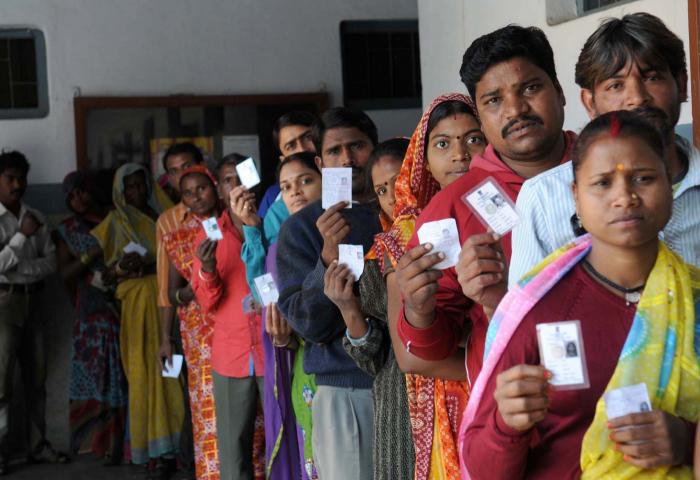
The landscape of Indian democracy is currently navigating a critical juncture, marked by intense scrutiny over electoral integrity and a noticeable shift in public trust toward governing institutions. As the world's largest democracy prepares for and reflects upon its extensive electoral cycles, civil society groups, political analysts, and concerned citizens are voicing deep apprehension regarding the mechanisms that safeguard fair representation.
At the heart of this discussion is the growing anxiety surrounding the transparency of electoral processes. Critics and opposition voices argue that maintaining the absolute neutrality of institutions is paramount for a functioning republic. When doubts emerge regarding the administration of polls, the verification of votes, or the enforcement of the model code of conduct, the foundational compact between the state and the electorate begins to fray. Public confidence is not merely a passive sentiment; it is the active adhesive that binds a diverse nation together under a shared constitutional framework.
Furthermore, the discourse extends beyond the mechanics of voting to encompass the broader ecosystem of information, media freedom, and campaign finance. Observers point out that an uneven playing field, characterized by stark disparities in resources and the widespread dissemination of unverified narratives, poses a severe challenge to informed voter choice. The integrity of an election is compromised not only at the ballot box but well before voters cast their ballots, influenced by how effectively public debates are mediated and whether independent watchdogs can operate without constraint.
Civil society organizations have consistently underscored the necessity of robust institutional checks and balances. Independent oversight bodies are expected to act as impartial referees, ensuring that the rules of democracy apply equally to all participants, regardless of their political weight. Any perception of bias or vulnerability to external pressures can drastically diminish the moral authority of these bodies, leading to long-term consequences for national stability and governance.
Addressing this crisis of trust requires a concerted effort from all stakeholders. Strengthening accountability mechanisms, enhancing the accessibility and clarity of election data, and fostering open dialogues between election administrators and the public are essential steps toward restoration. Moreover, protecting the autonomy of judicial and electoral institutions remains non-negotiable for anyone invested in the health of the republic.
Ultimately, the ongoing debates highlight both the fragility and the resilience of Indian democracy. While the challenges are formidable and require immediate attention, the very willingness of citizens, journalists, and intellectuals to question, analyze, and demand better governance demonstrates that the democratic spirit within the country remains vibrant. Navigating this period of uncertainty will determine the trajectory of the nation for decades to come, shaping how future generations perceive and participate in the democratic experiment.
How do you feel about this story?
Discussion
No comments yet. Be the first to share your thoughts.
Join the discussion
Sign in to share your thoughts on this story.