BNN Summary
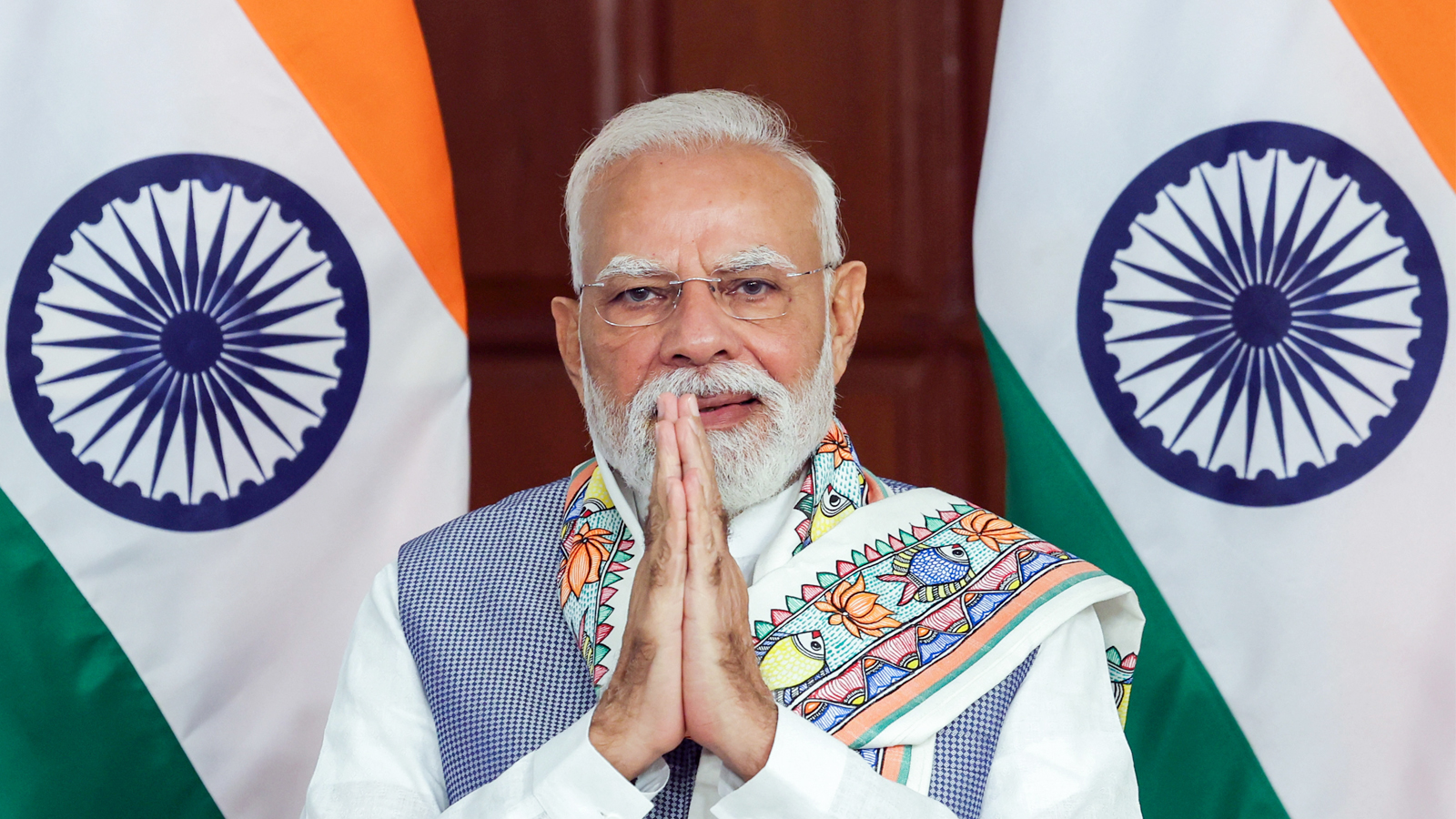
Haryana Chief Minister has urged Bharatiya Janata Party workers to reach out to the masses and propagate the remarkable milestones achieved during twenty-five years of public service and good governance under Prime Minister Narendra Modi, emphasizing the core principles of development and welfare.
In-Depth Analysis
The political landscape of India frequently witnesses strategic calls from regional leaders to amplify central governance achievements, and the state of Haryana has recently become a focal point for such mobilization. In a concerted effort to strengthen the grass-roots connection of the ruling political formation, the Chief Minister of Haryana has issued a direct and impassioned directive to all active party workers and local leaders across the state.
The core message delivered to the party cadres centers around the monumental milestone of twenty-five years of dedicated public service and administrative governance rendered by Prime Minister Narendra Modi. From his early tenure in executive state leadership to his transformative years at the helm of the national government, this extensive period of public life is being highlighted as a golden era of transformative reform, infrastructural expansion, and socio-economic empowerment.
Political analysts note that such organizational campaigns are designed to bridge any existing gaps between policy formulation at the national level and its actual realization on the ground. By instructing party workers to take this message directly to every household, the state leadership aims to create a resonance of continuity, stability, and progressive governance. The strategy relies heavily on personal outreach, town hall discussions, and community engagement initiatives where workers can articulate the direct benefits of various central schemes.
During various organizational meetings, the Chief Minister elaborated on how the socio-political philosophy championed over the past quarter of a century has fundamentally shifted the paradigm of governance in the country. Instead of traditional politics, the focus has consistently remained on last-mile delivery, financial inclusion, digital transformation, and infrastructural modernization. Workers have been encouraged to use digital platforms alongside traditional door-to-door campaigns to highlight major policy successes, ranging from massive sanitation drives and rural electrification to robust national security measures and economic resilience during global crises.
Furthermore, the leadership underscored that every party worker acts as an ambassador of the government's developmental vision. The emphasis is not merely on electoral victories, but on cultivating a deep-rooted understanding among citizens regarding the long-term strategic benefits of visionary leadership. Local functionaries have been provided with structured informational pamphlets and media toolkits detailing the comparative developmental metrics of the past twenty-five years against preceding decades.
As political activities intensify in the region, opposition parties are closely watching these mass outreach efforts, even as the ruling administration remains steadfast in its narrative of accountability, transparency, and inclusive growth. The success of this campaign will ultimately depend on the zeal and dedication of the ground-level workers in translating high-level policy achievements into relatable everyday stories of citizen empowerment.
In conclusion, the call to action issued by the Haryana Chief Minister marks a significant phase in political communication within the state. By framing the quarter-century political journey as a testament to relentless public service, the ruling party hopes to reinforce its ideological standing and secure enduring public trust ahead of future electoral cycles.
How do you feel about this story?
Discussion
No comments yet. Be the first to share your thoughts.
Join the discussion
Sign in to share your thoughts on this story.