BNN Summary
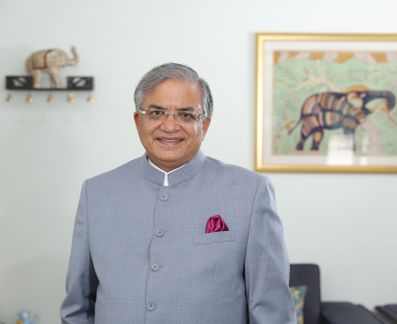
Ahigh-profile controversy surrounding Chief Election Commissioner Gyanesh Kumar and the Election Commission of India has triggered sweeping political protests, detailed investigations in Kerala, and intense debates over electoral transparency, institutional autonomy, and administrative procedures in the country.
In-Depth Analysis
The recent controversy surrounding Chief Election Commissioner Gyanesh Kumar has ignited a nationwide discussion on the autonomy, transparency, and operational integrity of the Election Commission of India (ECI). Sparked by contentious administrative decisions and the handling of the Special Intensive Revision (SIR) process, the ensuing events have culminated in widespread political demonstrations, intensive local probes in Kerala, and rigorous debates among constitutional experts, political analysts, and citizens alike.
At the heart of the controversy is the friction between opposition parties and the apex electoral body. Critics have raised serious concerns regarding the manner in which electoral rolls and revisions are managed, arguing that administrative oversight threatens democratic participation. The state of Kerala has emerged as a central focal point of this political storm. Following allegations of procedural discrepancies during the Special Intensive Revision, local administrative bodies and opposition leaders initiated comprehensive fact-finding missions and local investigations to uncover potential lapses in voter list management.
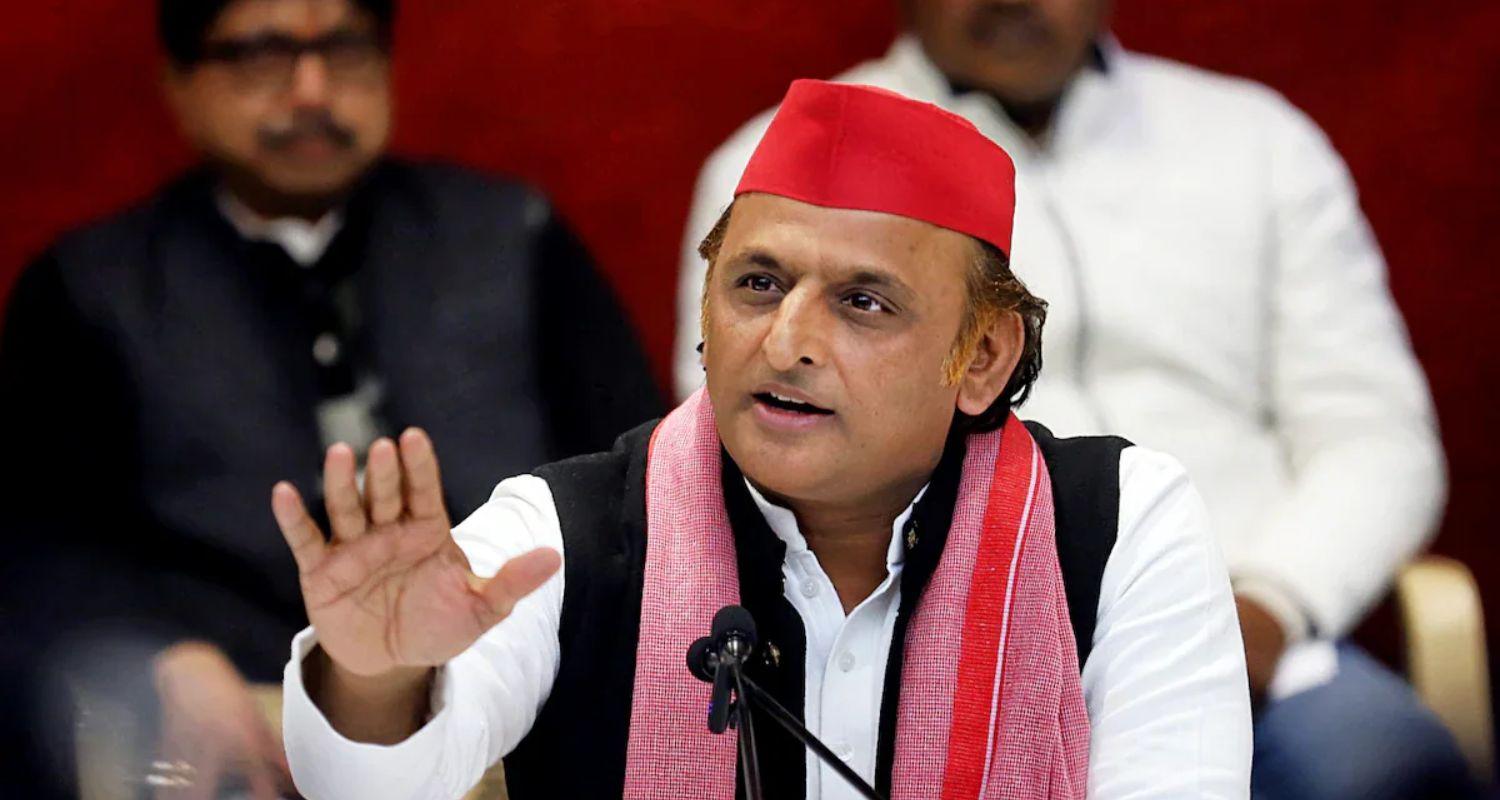
Protests organized across various districts in Kerala witnessed enthusiastic mobilization by civil rights groups, political activists, and concerned citizens. Demonstrators chanted slogans demanding greater accountability from election authorities and called for immediate corrective measures to safeguard the voting rights of marginalized and underrepresented communities. These rallies reflect a broader national anxiety concerning the perceived centralization of electoral power and the need for robust institutional checks and balances.
Political analysts note that the confrontation between political parties and the Election Commission is not entirely unprecedented, but the intensity of the current backlash highlights a deep crisis of trust. Observers emphasize that public faith in independent institutions is the cornerstone of a healthy democracy. When decisions made by bodies like the ECI face aggressive pushback from regional and national political entities, it underscores an urgent requirement for transparent communication and inclusive consensus-building.
In response to the mounting pressure, legal experts have weighed in on the statutory powers of the Election Commission and the constitutional remedies available to aggrieved parties. While the ECI maintains that all its actions strictly adhere to the established legal framework and are designed to ensure clean and accurate electoral rolls, opposition leaders remain skeptical. They continue to demand an open dialogue and a comprehensive review of the current protocols governing administrative revisions and voter verification.
As the fallout from the Kerala probe and nationwide protests continues to unfold, civil society organizations are urging all stakeholders to prioritize democratic norms over partisan gains. The ongoing standoff serves as a critical reminder of the delicate balance required to maintain the credibility of India's democratic institutions. Moving forward, the manner in which the Election Commission addresses these grievances and navigates the complexities of electoral administration will likely shape the political landscape for upcoming electoral cycles.
How do you feel about this story?
Discussion
No comments yet. Be the first to share your thoughts.
Join the discussion
Sign in to share your thoughts on this story.