BNN Summary
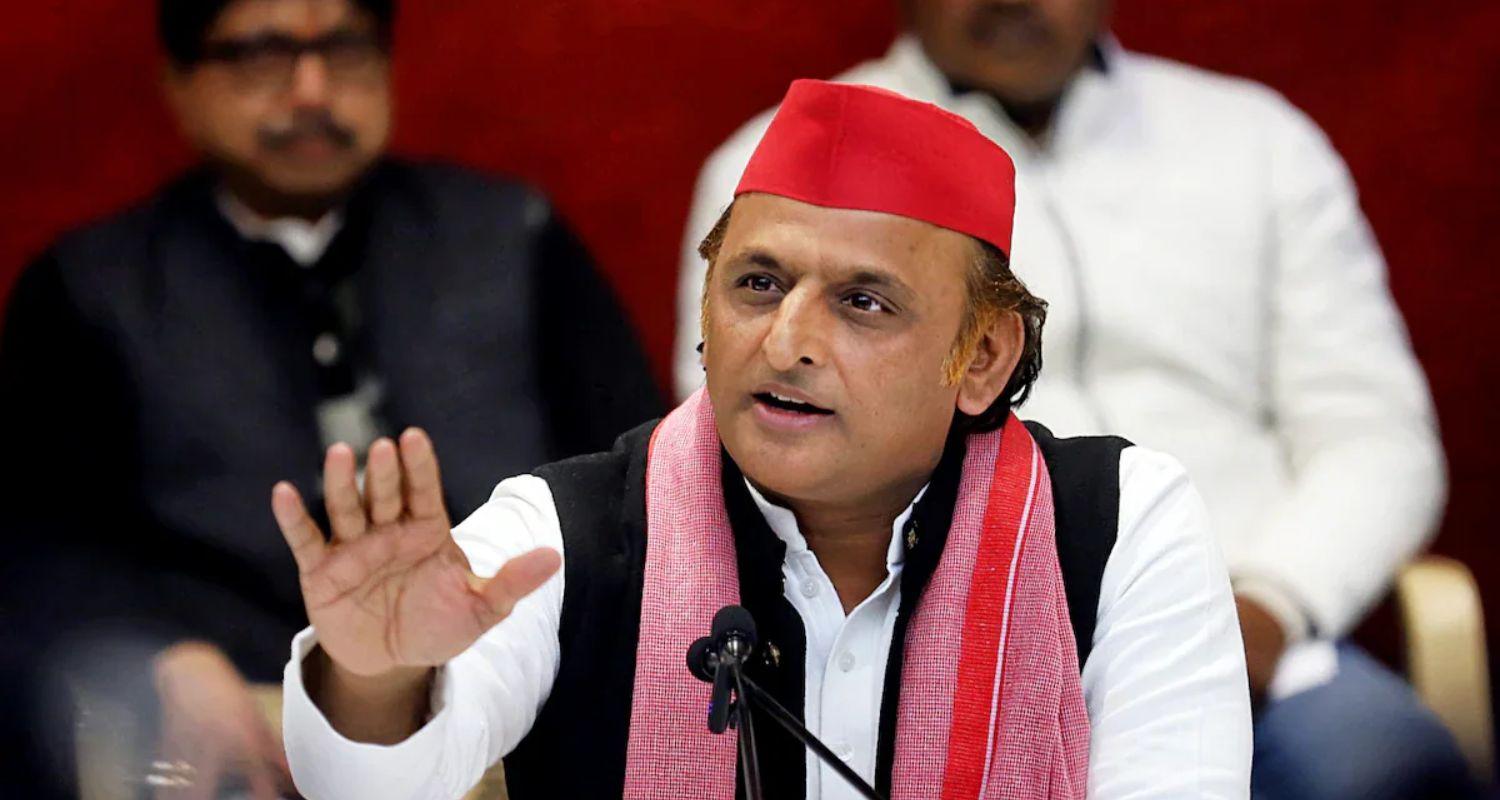
Samajwadi Party Chief Akhilesh Yadav has asserted that the primary objective of the opposition INDIA bloc should be securing a collective political victory rather than haggling over individual seat allocations or party-specific achievements. Speaking amid discussions regarding upcoming electoral strategies, his remarks signal a strategic approach to opposition unity.
In-Depth Analysis
Samajwadi Party national president Akhilesh Yadav has delivered a significant political message regarding opposition unity, emphasizing that the overarching triumph of the INDIA bloc takes precedence over the individual ambitions or seat counts of constituent parties. In statements that have drawn considerable attention from political observers, Yadav stressed that the collective goal of defeating opposing forces and restoring democratic balance matters far more than petty negotiations over how many seats each party contests.
This development comes at a crucial juncture when various regional and national outfits within the INDIA alliance are holding discussions on seat-sharing formulas for forthcoming legislative assembly and general elections. Observers note that Yadav's remarks serve as a subtle yet firm message to major allies, particularly the Congress party, to adopt a pragmatic and flexible approach. Rather than focusing rigidly on numerical targets or demanding a specific share of constituencies, the emphasis must remain on synergistic coordination at the grassroots level.
Political analysts suggest that regional satraps like Yadav recognize the delicate balance required to keep the opposition coalition cohesive. In states like Uttar Pradesh, where the Samajwadi Party holds substantial political clout, balancing the aspirations of smaller partners alongside the Congress requires careful navigation. By framing the discourse around the concept of 'victory' rather than 'seats', Yadav attempts to steer the alliance toward a shared vision rather than internal friction.
The INDIA bloc, formed to take on the ruling administration at the center and in various states, has faced intermittent challenges regarding leadership coordination and seat distribution. Disagreements over electoral math have occasionally threatened to derail consensus-building efforts. Yadav's recent intervention highlights the necessity of prioritizing strategic advantage over regional bargaining. He argued that if the broader alliance succeeds in capturing public imagination and securing a mandate, every participating entity will benefit from the outcome.
Furthermore, Yadav underscored the importance of grassroots mobilization and direct engagement with the electorate. He pointed out that voters are looking for a credible alternative that addresses pressing socioeconomic issues such as inflation, unemployment, and agrarian distress. According to the Samajwadi Party chief, getting bogged down in seat-sharing disputes distracts from the core mission of projecting a united front that can resonate with common citizens.
As the political landscape heats up, the response of other opposition leaders to Yadav's formula will be closely watched. While discussions and negotiations are bound to continue behind closed doors, public messaging emphasizing unity over individual gains is seen as a necessary step to maintain public morale. Whether this appeal translates into seamless electoral coordination on the ground remains one of the most critical questions for the opposition alliance in the run-up to the polls.
How do you feel about this story?
Discussion
No comments yet. Be the first to share your thoughts.
Join the discussion
Sign in to share your thoughts on this story.