BNN Summary
Recent trade maneuvers by the United States have sent ripples across international markets, impacting key sectors in Canada, resonating unevenly with the domestic working class, and placing complex geopolitical pressure on emerging economies like India regarding energy imports.
In-Depth Analysis
The global economic landscape is undergoing a significant period of adjustment as renewed protectionist trade policies championed by former US President Donald Trump continue to reverberate across international borders. These measures, designed to protect domestic industries and project economic dominance, are creating profound ripple effects that extend far beyond American shores, altering traditional trade alliances and presenting complex diplomatic challenges for key global partners.
In North America, the agricultural and dairy sectors have found themselves directly in the crosshairs of these shifting trade dynamics. Canadian dairy farmers, who rely heavily on predictable cross-border commerce and integrated supply chains, are reporting a substantial stall in US sales. The protective barriers and unpredictable tariff threats have introduced a high degree of volatility into regional agricultural markets, leaving producers scrambling to find alternative domestic markets or renegotiate long-standing distribution agreements. Industry experts note that the uncertainty surrounding future trade negotiations has stifled long-term capital investment within the dairy sector, dampening growth prospects for regional agricultural economies.
Domestically within the United States, the political narrative surrounding these aggressive trade policies is encountering nuanced public reception. While the foundational rhetoric of protecting American jobs resonates with certain industrial constituencies, broader working-class sentiment has proven increasingly skeptical. Recent political analysis and voter feedback indicate that many working-class households are beginning to connect tariff policies with rising consumer prices and constrained purchasing power. Popular sentiment suggests that the immediate economic costs of imported goods are outweighing the theoretical long-term benefits of industrial protectionism, creating a political friction point for candidates championing these measures.
Meanwhile, the geopolitical fallout is acutely visible in major emerging markets such as India. New Delhi finds itself once again caught in a delicate balancing act, squeezed uncomfortably between the looming threat of US punitive tariffs and its strategic energy imperatives, particularly the continued procurement of discounted Russian oil. Indian policymakers must carefully navigate Washington's intense economic scrutiny while maintaining energy security and economic stability at home. The persistent threat of trade penalties complicates diplomatic relations, forcing India to employ sophisticated economic diplomacy to safeguard its national interests without alienating key Western partners.
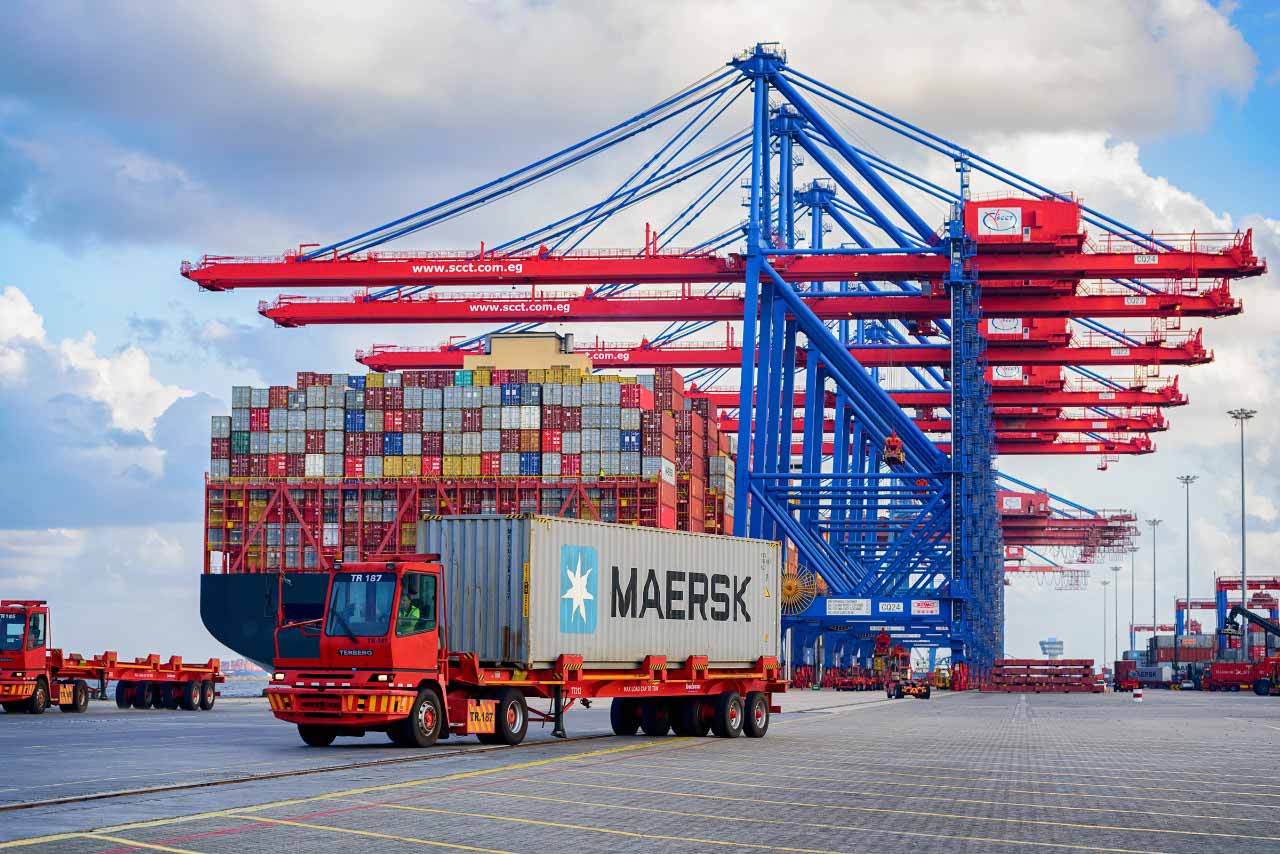
Economists and trade analysts warn that this era of heightened protectionism risks fracturing global supply chains further. As nations retaliate or hedge against potential US tariff actions, the cost of international trade is bound to rise, potentially triggering broader inflationary pressures worldwide. Multilateral trade institutions are increasingly sidelined as bilateral disputes and unilateral tariff threats take center stage in global economic governance. The long-term implications of these policies suggest a fundamental reshaping of globalization, where national security and economic nationalism increasingly supersede free-market principles.
How do you feel about this story?
Discussion
No comments yet. Be the first to share your thoughts.
Join the discussion
Sign in to share your thoughts on this story.