BNN Summary
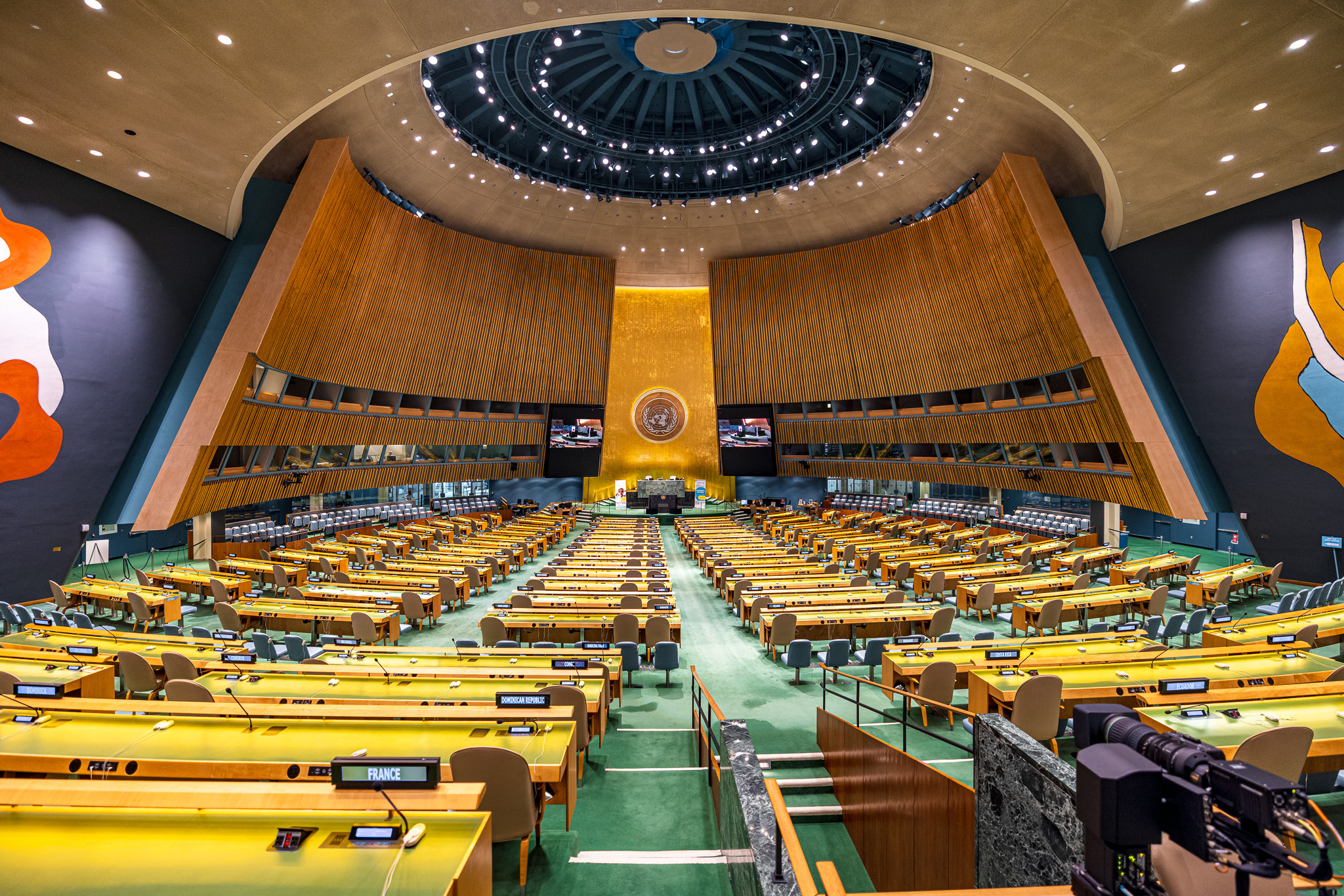
Diplomats from around the globe have convened in New York for the annual United Nations General Assembly, describing the current international landscape as messy, troubled, and deeply unpredictable. Rising geopolitical tensions, ongoing conflicts, and humanitarian crises dominate high-level discussions as world leaders search for urgent multilateral solutions.
In-Depth Analysis
As world leaders and high-ranking diplomats descend upon New York City for the latest annual gathering of the United Nations General Assembly, the prevailing sentiment across the international community is one of profound anxiety and weariness. Veteran diplomats and global affairs analysts have characterized the current state of international relations as uniquely messy, deeply troubled, and profoundly unpredictable. The high-stakes diplomatic summit opens against the backdrop of multiple concurrent crises that are testing the resilience of international law, multilateral institutions, and global security frameworks.
Escalating Global Conflicts
The most pressing agenda items facing the assembly involve active armed conflicts that threaten regional stability and international security. From the protracted war in Eastern Europe to the devastating humanitarian and military escalation in the Middle East, traditional diplomatic channels appear increasingly strained. Delegates are grappling with the limitations of the United Nations Security Council, where deep divisions among permanent members have frequently led to institutional paralysis. The inability of the global body to effectively enforce ceasefires or prevent civilian casualties has intensified criticisms regarding its operational relevance in the twenty-first century.
Furthermore, numerous localized conflicts across the African continent and parts of Asia continue to displace millions of people, fueling severe humanitarian emergencies. Representatives from developing nations have taken to the podium to voice their frustration over what they perceive as a disproportionate allocation of international attention and financial resources toward Western-centric security concerns, leaving forgotten crises to fester without adequate global intervention.
Economic Instability And Climate Pressures
Beyond traditional security threats, the diplomatic discussions encompass severe economic headwinds and the escalating impacts of global climate change. Many emerging economies are buckling under the weight of mounting sovereign debt, inflationary pressures, and fractured global supply chains. Financial ministers and economic delegates are warning that without comprehensive debt relief and reformed international lending structures, developing nations risk entering a prolonged period of economic stagnation.
Simultaneously, climate change has emerged as a central theme of urgency. Record-breaking temperatures, catastrophic flooding, and unprecedented wildfires experienced globally over the past year have reinforced the reality that environmental degradation knows no borders. However, despite scientific consensus and urgent pleas from vulnerable island nations, consensus on accelerated carbon reduction targets and climate financing commitments remains frustratingly elusive among major industrial polluters.
The Future Of Multilateralism
At its core, the annual UN meeting serves as a litmus test for the viability of multilateral diplomacy. In an era increasingly dominated by nationalist politics, protectionist trade policies, and transactional foreign relations, the fundamental principles of international cooperation are under siege. Many speakers are expected to emphasize that unilateral approaches have consistently failed to resolve transnational problems, arguing instead for a renewed commitment to dialogue, compromise, and shared responsibility.
As the multi-day conference proceeds with speeches, closed-door negotiations, and bilateral meetings, the international community watches closely. Whether this gathering will result in meaningful diplomatic breakthroughs or merely serve as another forum for grievances remains to be seen. What is certain, however, is that the diplomats steering the course of international affairs face a daunting mandate to restore stability to a fractured and volatile world.
How do you feel about this story?
Discussion
No comments yet. Be the first to share your thoughts.
Join the discussion
Sign in to share your thoughts on this story.