BNN Summary
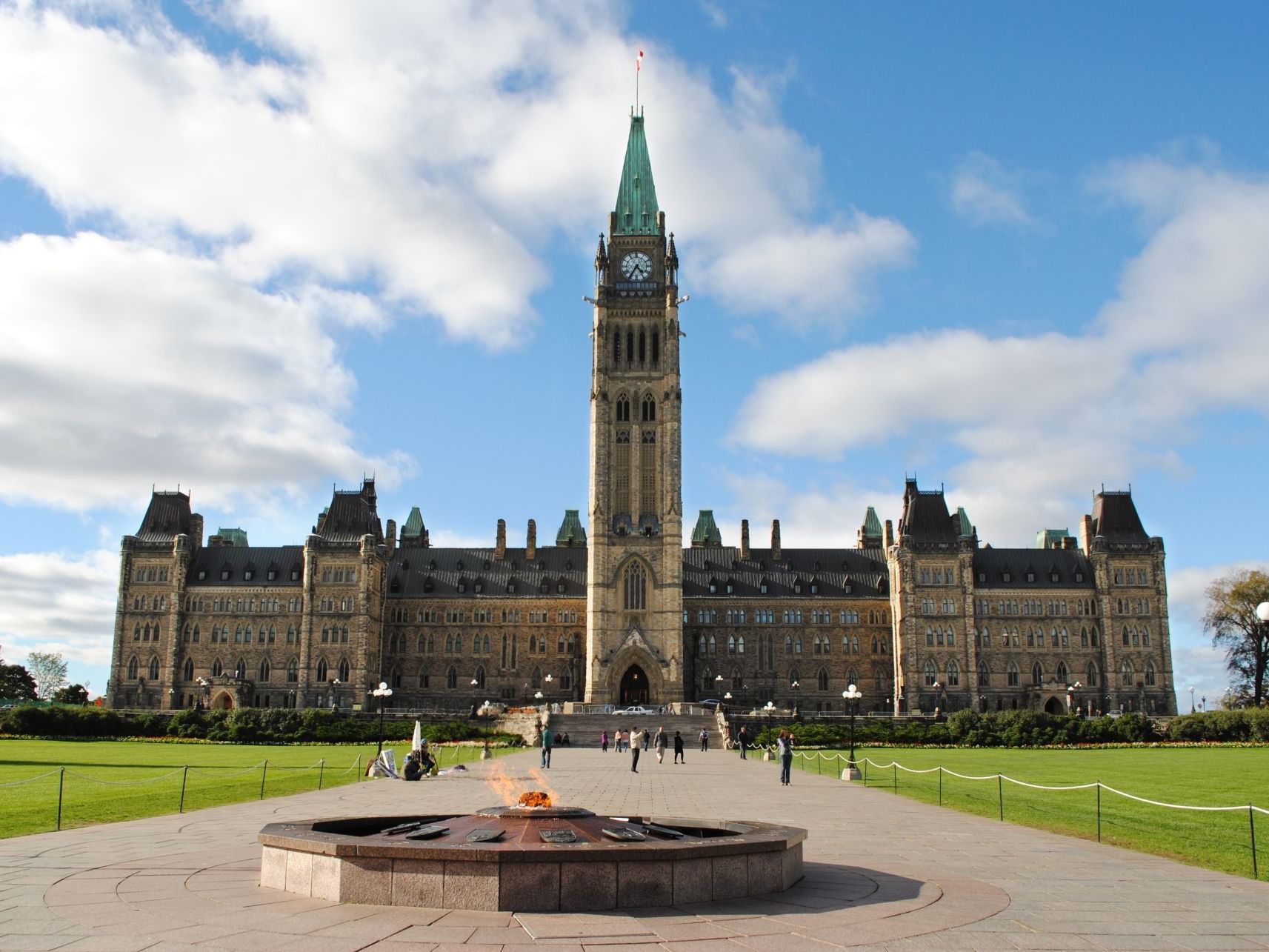
The Canadian Parliament has officially returned to session, kicking off a high-stakes legislative period marked by fierce political showdowns, economic pressures, and critical policy debates as parties vie for public support ahead of future electoral cycles.
In-Depth Analysis
The return of the Canadian Parliament marks a pivotal moment in the nation's political landscape, bringing together federal lawmakers in Ottawa to tackle a formidable agenda of economic, social, and legislative challenges. As members of Parliament resume their seats in the House of Commons, the atmosphere is charged with anticipation and partisan friction, setting the stage for months of rigorous debate and high-stakes political maneuvering.
At the forefront of the parliamentary agenda are mounting economic pressures that continue to impact households across the country. Lawmakers are grappling with persistent affordability concerns, housing shortages, and the ongoing complexities of post-pandemic economic recovery. Opposition parties have signaled their intent to hold the minority government accountable for inflation rates and cost-of-living increases, demanding immediate relief measures and more strategic fiscal management. Meanwhile, government ministers are defending their previous legislative achievements while introducing new initiatives aimed at bolstering economic resilience, supporting green energy transitions, and stabilizing public services.
Procedural dynamics within the House are expected to be particularly intense this session. Given the minority status of the governing administration, legislative success relies heavily on fragile alliances and strategic compromises with opposition factions. This delicate balance grants smaller parties significant leverage, often leading to dramatic negotiations behind closed doors and unpredictable votes on the floor of the chamber. Political analysts suggest that every piece of legislation introduced during this sitting will be scrutinized not only for its practical merits but also for its potential electoral fallout.
In addition to domestic economic policies, foreign affairs and national security are slated to receive prominent attention. Recent geopolitical developments, international trade agreements, and defense spending commitments have prompted calls for comprehensive parliamentary reviews. Lawmakers are expected to debate Canada's role in global alliances, immigration targets, and strategies for protecting critical infrastructure against emerging digital and physical threats.
Committee meetings are also ramping up concurrently with the main chamber sessions, providing a forum for expert testimony, public consultations, and deep dives into specific governmental departments and expenditures. These committees often serve as the crucible where major policy amendments are forged, away from the immediate glare of televised question periods.
As the parliamentary calendar unfolds, both government and opposition leaders are keenly aware that every debate, committee hearing, and legislative vote contributes to the broader narrative shaping public opinion. With political alignments shifting and constituents demanding tangible results, this parliamentary sitting promises to be a defining chapter in contemporary Canadian governance, testing the resilience and adaptability of the nation's political institutions.
How do you feel about this story?
Discussion
No comments yet. Be the first to share your thoughts.
Join the discussion
Sign in to share your thoughts on this story.