BNN Summary
Recent diplomatic developments and high-level engagements outside traditional multilateral frameworks have sparked intense debates regarding the enduring influence and authority of global institutions. Analysts warn that shifting geopolitical dynamics and perceived withdrawals by major powers could reshape the future landscape of international governance.
In-Depth Analysis
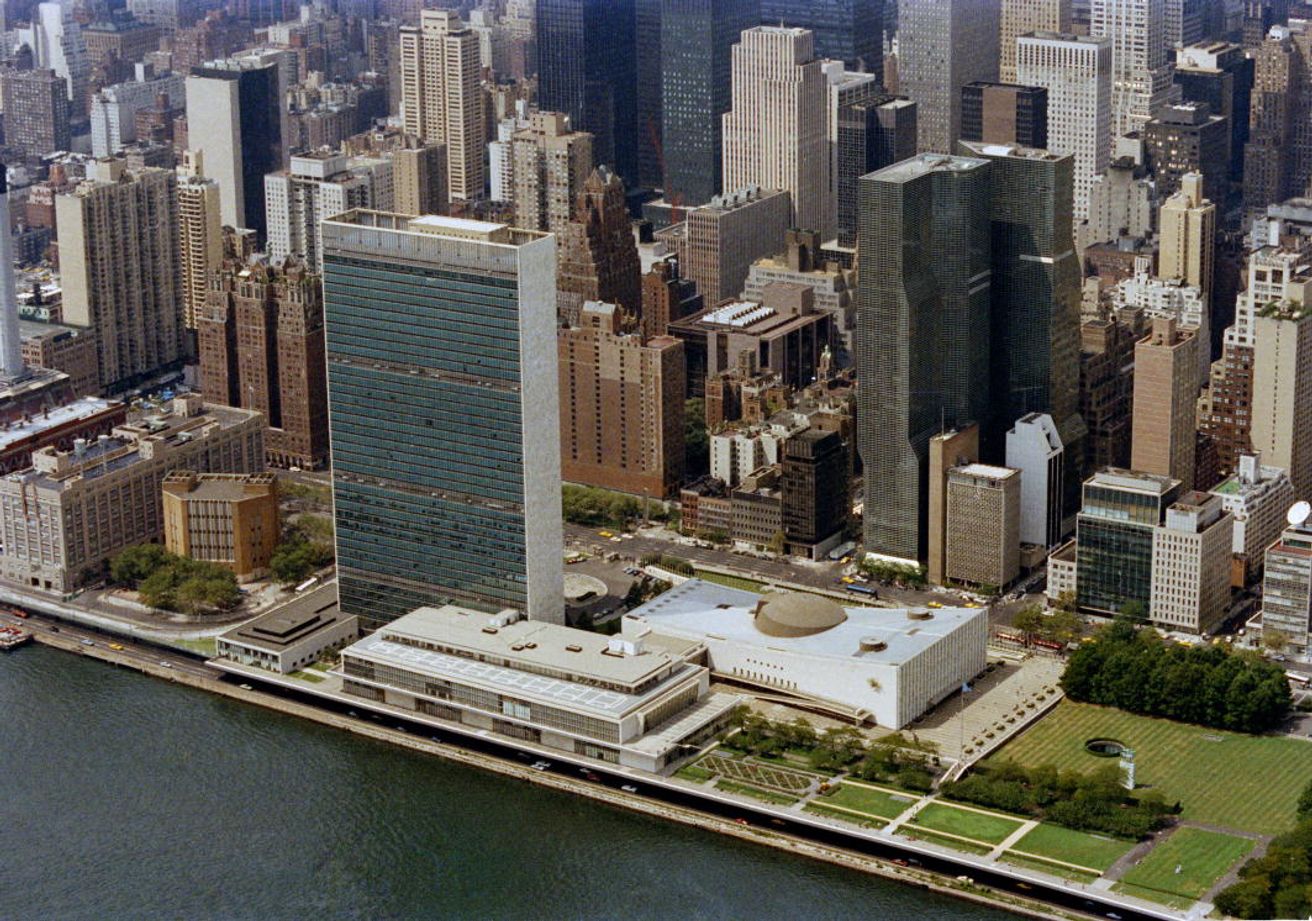
The landscape of international diplomacy is undergoing a profound transformation as high-level bilateral meetings between world leaders increasingly take place outside the formal structures and spotlight of multilateral institutions like the United Nations. This trend has reignited urgent debates concerning the true efficacy, relevance, and clout of global governing bodies in an era defined by intense geopolitical competition.
Observers note that when superpowers bypass traditional multilateral forums to negotiate critical security, trade, and geopolitical agreements directly, the authority of international organizations is severely tested. Over recent decades, the architecture of global governance was designed to foster collective security, economic cooperation, and peaceful dispute resolution through transparent, institutionalized channels. However, the growing preference for closed-door bilateral summits among dominant global actors risks sidelining these established frameworks, reducing the United Nations and similar bodies to secondary platforms rather than primary arbiters of international peace.
Adding to these structural concerns, foreign policy experts have raised alarms over the strategic maneuvering of rising global powers within multilateral agencies. Warnings have been articulated that shifting commitments and a perceived retreat by traditional Western leaders from active participation and leadership within international institutions could create a diplomatic vacuum. Such vacuums, critics argue, provide strategic openings for alternative powers to expand their institutional footprint, increase their bureaucratic leverage, and potentially reshape the foundational norms and operational rules of global organizations from within.
At the same time, the broader international financial architecture is experiencing its own significant transitions. Leadership changes within key economic institutions, such as the impending appointment of new financial counsellors at the International Monetary Fund, underscore how administrative continuity and institutional expertise remain critical components of global economic stability. These financial bodies continue to navigate complex macroeconomic challenges, ranging from inflationary pressures to sovereign debt distress in emerging markets, even as political tensions ripple through diplomatic channels.
The intersection of shifting political influence and vital economic administration highlights the dual pressures facing the contemporary global order. On one hand, institutions must maintain credibility and neutrality to effectively manage transnational crises such as climate change, pandemics, and economic volatility. On the other hand, they face the constant challenge of maintaining member state loyalty and engagement when powerful nations increasingly favor transactional, bilateral diplomacy over multilateral consensus.
Diplomatic historians emphasize that international organizations have historically weathered numerous crises of confidence. However, the current convergence of rising protectionism, great power rivalry, and institutional fatigue presents a uniquely formidable challenge. To retain their central role in global affairs, multilateral bodies must demonstrate tangible value and adaptability in addressing twenty-first-century security and economic realities.
As the international community looks ahead, the ultimate test for these institutions will lie in their ability to bridge the gap between competing national interests and collective global well-being. Whether global bodies can reclaim their central authority or whether diplomacy will permanently fracture into competitive regional and bilateral spheres remains one of the defining questions of the modern geopolitical era. Policymakers, scholars, and global citizens alike will be watching closely to see how these dynamics unfold in upcoming international summits and administrative transitions.
How do you feel about this story?
Discussion
No comments yet. Be the first to share your thoughts.
Join the discussion
Sign in to share your thoughts on this story.