BNN Summary
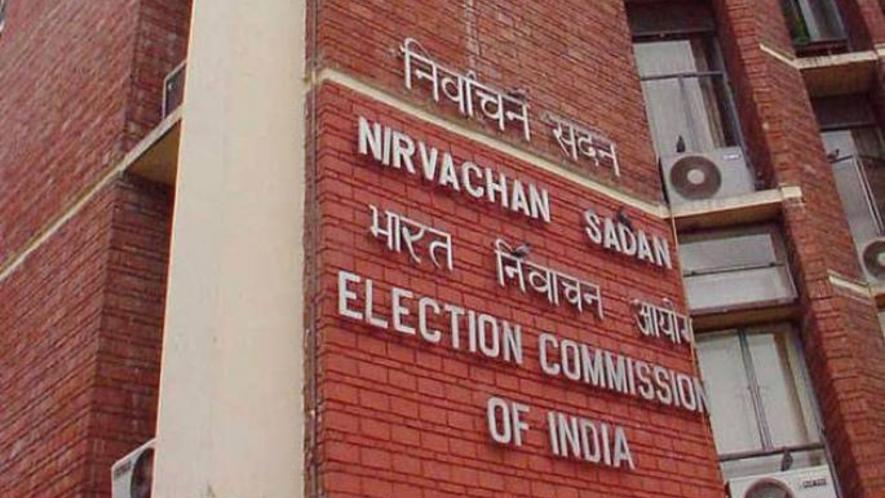
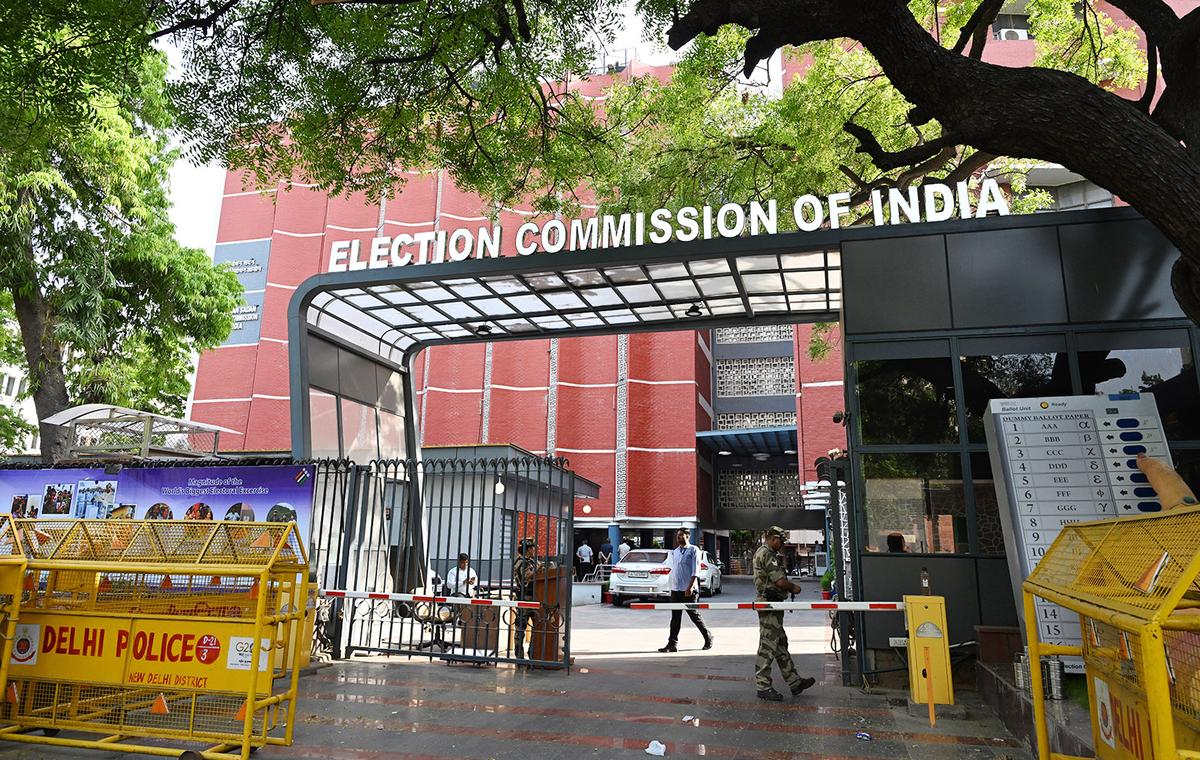
The Election Commission of India has introduced significant administrative adjustments to simplify the Special Intensive Revision notice mechanism. This decision comes in direct response to feedback provided by the Chief Electoral Officer of Maharashtra, aimed at ensuring procedural clarity, protecting legitimate voter inclusion, and maintaining absolute transparency across electoral operations.
In-Depth Analysis
The Election Commission of India (ECI) has officially announced a series of strategic modifications to streamline the Special Intensive Revision (SIR) notice protocol. This administrative reform was initiated following formal representations and detailed feedback submitted by the Chief Electoral Officer (CEO) of Maharashtra. The updated framework is designed to eliminate bureaucratic hurdles, reduce administrative friction, and safeguard the fundamental democratic rights of every eligible citizen during the voter list revision exercises.
Administrative Context and Background
Recent electoral roll updates across various regions have frequently encountered logistical challenges, particularly regarding the issuance and processing of notices under the special revision guidelines. Administrative officers in Maharashtra pointed out specific operational bottlenecks that caused unnecessary anxiety among citizens and placed a heavy burden on ground-level election machinery. In response, the state CEO's office formally requested a comprehensive review of the notice procedures to strike a balance between rigorous verification and citizen-friendly facilitation.
Core Adjustments in the Notice Mechanism
Under the newly streamlined process, the ECI has mandated clearer communication channels and extended response timelines for individuals flagged during the verification drives. Key elements of the revised framework include:
- Enhanced Clarity: Notices must now explicitly state the exact reason for verification, moving away from generalized administrative terminology.
- Extended Windows: Citizens will receive more time to gather and present required documentation to establish their residence and identity credentials.
- Unanimous Decision-Making: The Commission has clarified that all final adjudications on contested voter entries must reflect unanimous consensus among designated review committees, minimizing subjective bias at the local level.
- Officer Accountability: Clear guidelines have been established to delineate the exact responsibilities of booth-level officers and returning officers, ensuring seamless coordination without compromising accountability.
Addressing Public Concerns and Maintaining Integrity
In tandem with procedural easing, the poll body addressed public controversies surrounding the SIR row. Commission officials reiterated that the primary objective of the revision exercise remains the purification of electoral rolls by removing duplicate, deceased, or shifted entries, while strictly ensuring that no genuine voter is disenfranchised. By providing explicit clarifications on the voter inclusion process, the ECI aims to restore public confidence and foster greater participation in forthcoming electoral exercises.
Political analysts and civil society organizations have welcomed the administrative course correction, noting that proactive engagement between state election offices and the central commission is vital for maintaining the robustness of India's democratic architecture. The ECI has directed all district election officers to immediately implement the revised protocols and conduct awareness campaigns to educate citizens about their rights and responsibilities under the updated framework.
How do you feel about this story?
Discussion
No comments yet. Be the first to share your thoughts.
Join the discussion
Sign in to share your thoughts on this story.