BNN Summary
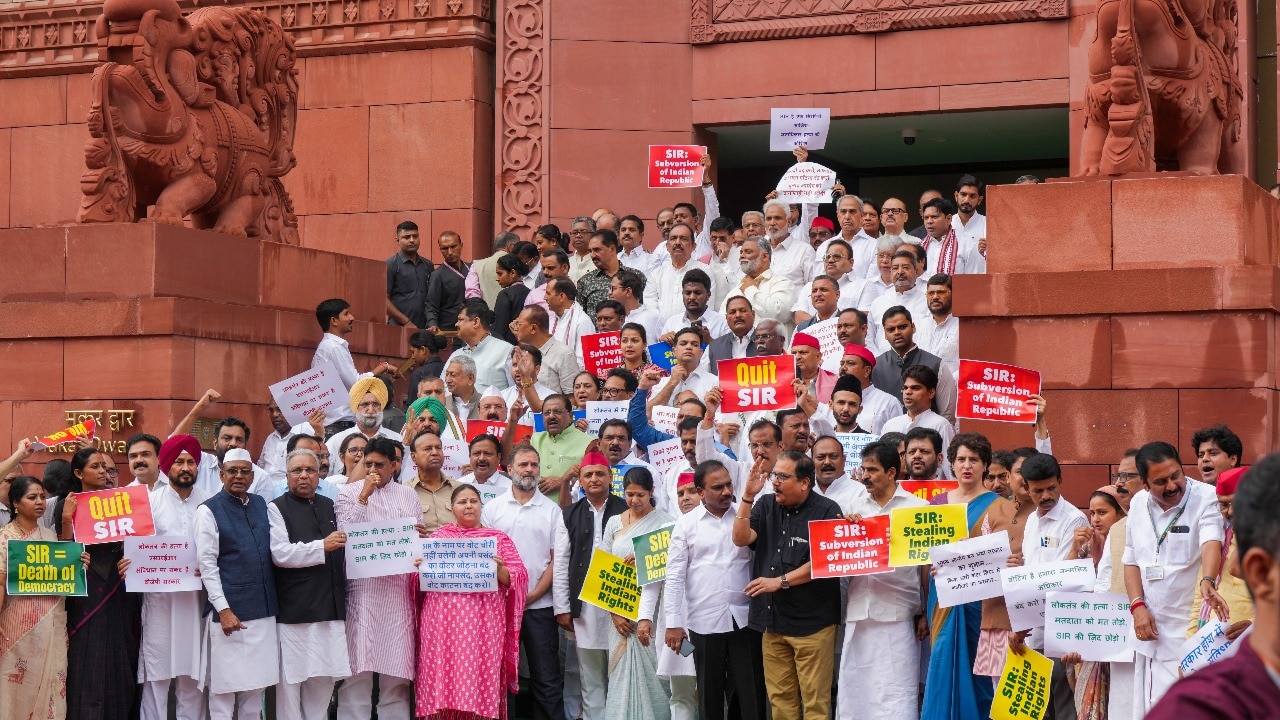
The Election Commission of India has announced a special summary revision of electoral rolls covering 17 States and Union Territories. This administrative initiative serves as a crucial corrective measure to ensure voter list accuracy, eliminate discrepancies, and uphold the integrity of the democratic process. The massive exercise aims to clean up voter databases by adding eligible new voters, removing deceased or shifted individuals, and addressing past administrative oversights ahead of upcoming electoral battles.
In-Depth Analysis
The Election Commission of India has officially announced the launch of a comprehensive special summary revision of electoral rolls spanning across 17 States and Union Territories. This administrative undertaking is widely regarded by constitutional experts and election analysts as a necessary corrective measure aimed at maintaining the absolute purity and precision of voter lists. In a democracy as vast and diverse as India, maintaining accurate voter registries is a monumental challenge that requires continuous monitoring, meticulous field verification, and transparent administrative procedures.
Electoral rolls form the bedrock of the democratic process. Any flaws, omissions, or inclusion of erroneous entries can severely undermine public trust in election outcomes. Over recent years, various political entities, civil society organizations, and ordinary citizens have repeatedly highlighted systemic discrepancies within voter databases. These discrepancies often include the presence of ghost voters, duplicate registrations, failure to update addresses of migrated citizens, and the omission of eligible young adults who have recently attained the legal voting age of eighteen. The newly announced special summary revision is designed to directly address and rectify these persistent vulnerabilities.
Under the guidelines issued by the election regulatory body, the special summary revision process involves multiple stages of rigorous verification. Booth Level Officers are deployed to conduct door-to-door surveys, cross-referencing existing entries with ground realities. Citizens are given ample opportunity to file claims and objections, ensuring public participation in the verification drive. This includes submitting applications for the inclusion of new names using designated forms, requesting deletions of names belonging to deceased or permanently relocated individuals, and making necessary corrections to demographic details such as names, ages, and relative particulars.
The timing of this revision is particularly significant. With several states gearing up for crucial legislative assembly elections and local body polls in the near future, ensuring an unblemished voter list is of paramount importance. Political parties across the spectrum have often expressed concerns over skewed electoral rolls that could potentially disenfranchise genuine voters or facilitate electoral malpractices. By undertaking this targeted revision across 17 diverse regions, the Election Commission aims to preemptively neutralise such concerns, thereby fostering a more level playing field for all political contenders.
Furthermore, the integration of digital technology has streamlined the revision process considerably. The election authority has enhanced its online portals and mobile applications, enabling citizens to check their enrolment status, track application progress, and download digital voter identification cards with greater ease. However, authorities have emphasized that digital accessibility must be supplemented by rigorous grassroots outreach to ensure that marginalized communities, rural populations, and illiterate citizens are not left behind due to the digital divide.
In conclusion, the special summary revision of electoral rolls across 17 States and Union Territories is not merely a routine administrative exercise, but a vital institutional safeguard for Indian democracy. By proactively updating voter registries, the Election Commission reaffirms its commitment to free, fair, and inclusive elections. The success of this massive undertaking will ultimately depend on the diligent execution by administrative machinery, active cooperation from political stakeholders, and enthusiastic participation from the electorate at large.
How do you feel about this story?
Discussion
No comments yet. Be the first to share your thoughts.
Join the discussion
Sign in to share your thoughts on this story.