BNN Summary
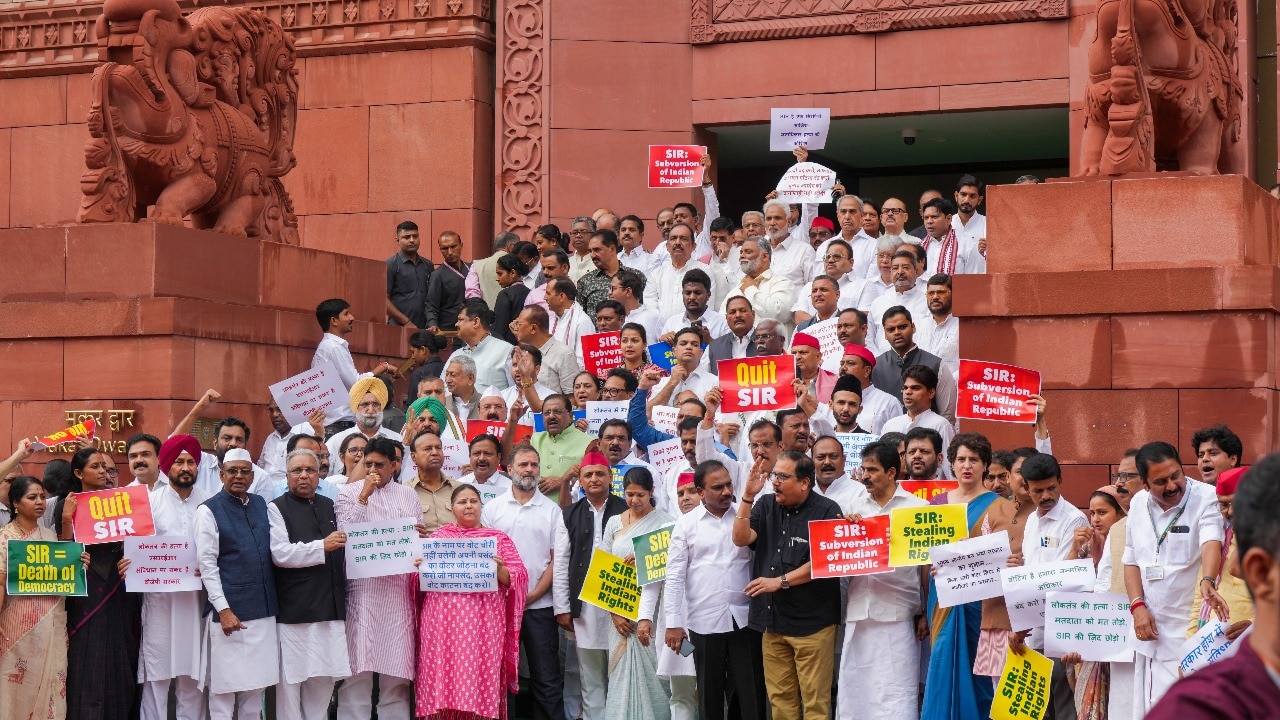
The Election Commission has announced a Special Summary Revision of electoral rolls across 17 states and Union Territories. This administrative initiative is designed to enrol new eligible voters, rectify existing errors in voter records, and significantly improve the overall purity and accuracy of the democratic voter lists.
In-Depth Analysis
The Election Commission of India has officially announced the commencement of a Special Summary Revision of electoral rolls spanning 17 states and Union Territories across the country. This comprehensive administrative exercise is aimed at ensuring that every eligible citizen is duly registered to vote, correcting any existing anomalies or discrepancies in electoral roll entries, and substantially improving the overall purity, integrity, and accuracy of the national voter lists ahead of upcoming democratic exercises.
Electoral roll management is a foundational pillar of the democratic process in India. By conducting periodic revisions, the Election Commission seeks to maintain updated databases that reflect demographic shifts, additions of newly eligible young voters who have attained the age of majority, and the removal of entries related to deceased or relocated voters. The Special Summary Revision serves as a vital mechanism to bridge gaps in public participation and administrative oversight, ensuring robust electoral governance at the grassroots level.
During this intensive revision period, designated election officials and booth level officers will engage in field verifications, door-to-door surveys, and camp setups to facilitate seamless registration for citizens. Eligible individuals can submit applications for the inclusion of their names, deletion of redundant or erroneous entries, and modification of demographic details such as residential addresses, spellings of names, photographs, and age details. The commission places strong emphasis on leveraging digital platforms alongside traditional physical submission modes to maximize convenience and accessibility for the general public.
Political parties and civil society organizations are typically invited to collaborate with election machinery by appointing booth level agents to monitor the transparency of the process. This collaborative approach helps build public trust and minimizes the scope for administrative oversights or omissions. Special camps are often organized on weekends during the revision cycle to accommodate working professionals and students who may find it difficult to visit designated registration centers on regular weekdays.
The Election Commission has reiterated its commitment to maintaining an inclusive electoral roll that leaves no eligible voter behind, while simultaneously purging fraudulent or duplicate entries that could potentially compromise electoral integrity. Comprehensive guidelines and schedules have been dispatched to the respective Chief Electoral Officers of the 17 participating states and Union Territories, directing them to execute the revision phases in a timely and meticulous manner. Citizens are strongly encouraged to proactively check their names in the draft electoral rolls published during this phase and utilize the designated grievance redressal channels for any necessary corrections.
How do you feel about this story?
Discussion
No comments yet. Be the first to share your thoughts.
Join the discussion
Sign in to share your thoughts on this story.