BNN Summary
Election commissions across multiple democratic nations are encountering heightened public scrutiny, legal challenges, and legislative disputes regarding voter roll revisions, administrative terminations, and candidate disqualifications, raising critical questions about institutional independence and electoral integrity.
In-Depth Analysis
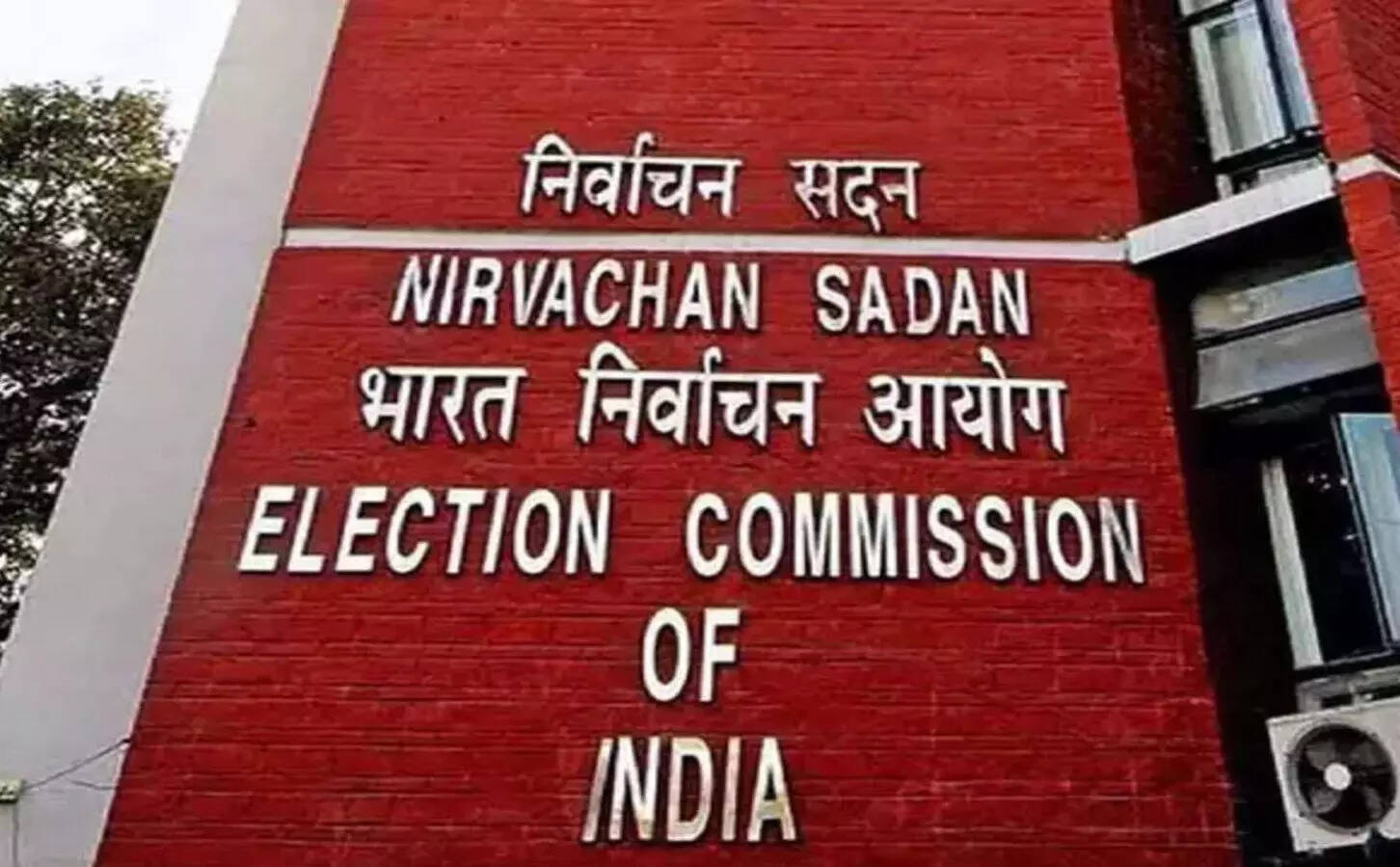
Electoral oversight bodies around the world are currently navigating a turbulent landscape characterized by increased legal challenges, administrative disputes, and intense public scrutiny. As the arbiters of democracy, these commissions are tasked with maintaining fairness, transparency, and public trust. However, recent developments in various jurisdictions highlight the growing tensions between political actors and independent election authorities.
In recent months, electoral commissions in countries such as India, the United States, and Israel have faced significant controversies. These events underscore the delicate balance these institutions must maintain while enforcing election laws, managing voter registries, and regulating candidate eligibility.
Controversies Over Voter Roll Revisions
One of the most frequent flashpoints for election boards involves the maintenance and updating of voter registries. Critics and political opposition groups often scrutinize administrative decisions related to voter roll revisions, questioning whether the removal or inclusion of specific names is politically motivated or simply administrative housekeeping.
Transparency advocates argue that any modifications to voter rolls must be conducted with maximum openness to prevent voter disenfranchisement. Conversely, election officials often defend their actions as necessary measures to ensure accuracy, eliminate duplicate registrations, and comply with statutory mandates. The challenge lies in convincing the public that these processes are entirely impartial and immune to partisan influence.
Legal Battles And Administrative Decisions
Beyond voter registration disputes, election commissions frequently find themselves embroiled in courtroom battles concerning administrative decisions. Lawsuits brought by former employees, political parties, or civil rights organizations can severely test the operational autonomy of these bodies.
For instance, employment disputes involving high-ranking election administrators often spark wider debates about institutional governance. When a former executive director challenges their termination in court, it exposes potential friction between appointed board members and executive staff. Such legal confrontations can draw unwanted attention to the internal dynamics of agencies that are expected to function as models of neutrality.
Furthermore, decisions regarding candidate disqualifications and party eligibility remain highly contentious. When election committees vote to bar specific politicians or political factions from participating in upcoming elections, the rulings invariably trigger fierce legal appeals and public protests. Proponents of these bans argue that candidates who violate statutory provisions or national security laws must be excluded to preserve the integrity of the democratic process. On the other hand, opponents view such actions as a dangerous encroachment on political pluralism and freedom of expression, arguing that the electorate should be the ultimate judge of a candidate's suitability.
Maintaining Institutional Trust
The cumulative effect of these controversies is a heightened pressure on election officials to demonstrate unwavering independence and accountability. In an era marked by deep political polarization, the margin for error is razor-thin. Any misstep, whether perceived or real, can significantly undermine public confidence in election outcomes.
To counter skepticism, experts emphasize the need for robust procedural safeguards, independent judicial reviews, and open communication channels between election authorities and the public. As upcoming election cycles approach, the ability of electoral commissions to navigate these complex legal and political minefields will remain crucial for upholding democratic norms worldwide.
How do you feel about this story?
Discussion
No comments yet. Be the first to share your thoughts.
Join the discussion
Sign in to share your thoughts on this story.