BNN Summary
An examination of United Nations Security Council Resolution 1244 in the wake of the 81st UN session, analyzing how international law, shifting geopolitical dynamics, and ongoing political friction intersect in the quest for lasting regional stability and conflict resolution.
In-Depth Analysis
The landscape of international diplomacy continues to face profound challenges as nations grapple with the enduring legacy of key multilateral frameworks. Among these, United Nations Security Council Resolution 1244 remains a focal point of intense legal and political debate, symbolizing both the possibilities and the limits of collective security arrangements in post-conflict zones.
Historical Context and Legal Framework
Adopted in June 1999, Resolution 1244 was designed to establish an interim administration for Kosovo while reaffirming the sovereignty and territorial integrity of the Federal Republic of Yugoslavia. Over the decades, however, the implementation of this mandate has been interpreted in vastly different ways by the involved parties and international stakeholders. While some emphasize the provisions concerning sovereignty, others point to the practical realities on the ground that have emerged following unilateral declarations of independence and subsequent recognition by numerous member states.
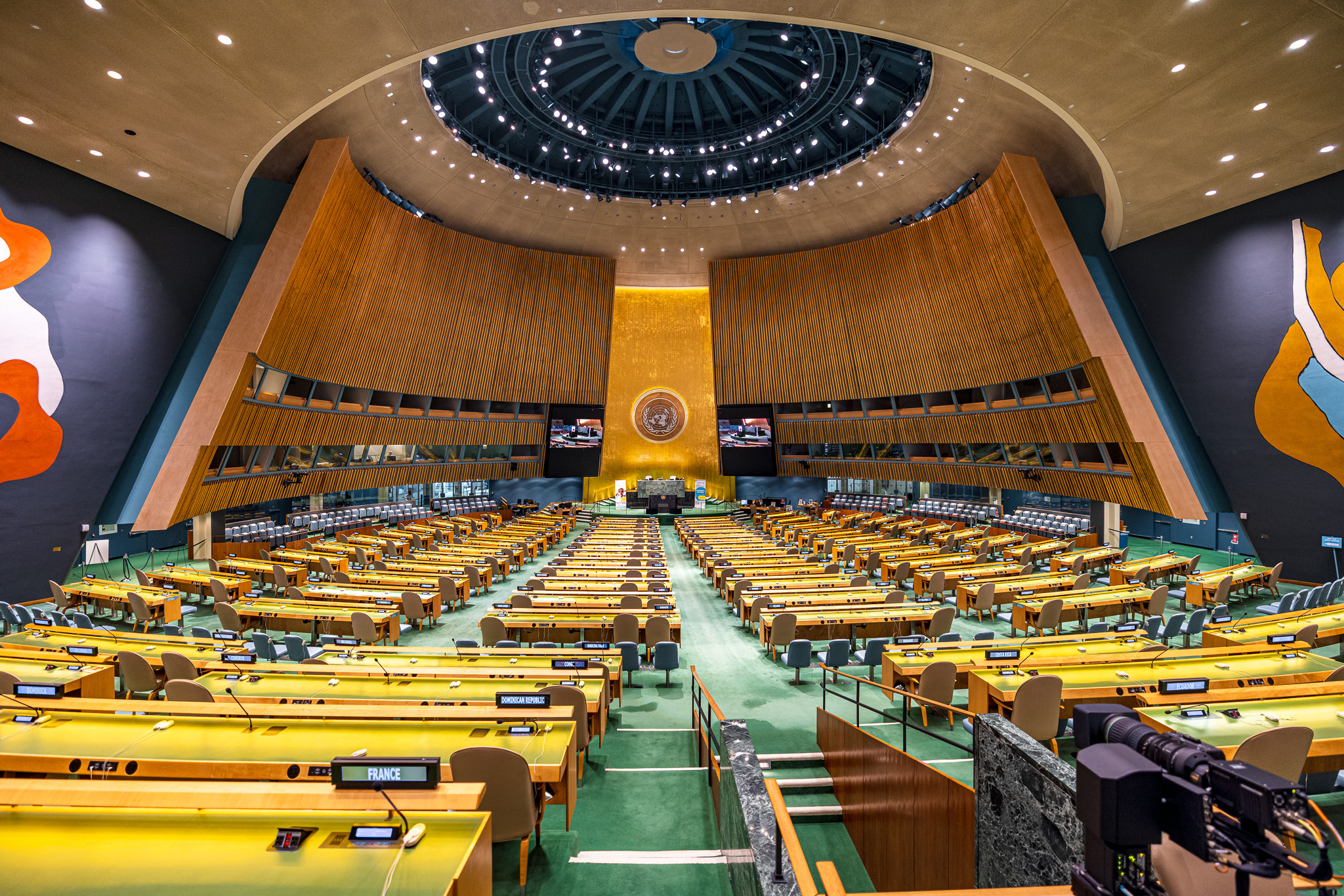
The 81st session of the United Nations General Assembly has once again brought these competing legal and political philosophies to the forefront. Diplomats, legal scholars, and policy analysts have used the global platform to debate whether foundational resolutions drafted in the late twentieth century can adequately address the complex, evolving security and governance architectures of the twenty-first century.
The Shift Toward the Politics of Force
Critics of contemporary international relations frequently argue that the diplomatic sphere has increasingly yielded to the politics of force and unilateral action. When consensus breaks down within the Security Council, regional actors and major powers often resort to economic pressure, diplomatic isolation, or fait accompli strategies to advance their strategic interests. This trend has not only strained traditional alliances but has also eroded the predictability that international law is meant to guarantee.
During recent UN deliberations, multiple delegations expressed concern that bypassing multilateral institutions sets a dangerous precedent. When binding resolutions are selectively applied or ignored, the credibility of the global order diminishes, leaving smaller nations vulnerable to shifting power dynamics among dominant states.
Can Dialogue Repair the Damage?
Despite the grim outlook presented by geopolitical realpolitik, proponents of peaceful resolution maintain that structured dialogue remains the only viable path forward. The central question confronting international mediators is whether diplomatic engagement can effectively repair the fractures caused by years of coercion, mistrust, and hardened political stances.
Proponents of renewed talks argue that incremental confidence-building measures, economic cooperation, and respect for minority rights can slowly rebuild social capital. However, such efforts require genuine political will from leadership on all sides. Without a willingness to compromise on maximalist positions, diplomatic forums risk becoming mere talking shops that mask ongoing instability.
Looking Ahead
As the international community navigates the post-81st UN session environment, the focus shifts back to practical diplomacy. Observers note that while the ideal of a rule-based international order faces unprecedented headwinds, the alternative—unchecked unilateralism—carries catastrophic risks for regional and global peace. Whether current diplomatic initiatives can bridge the wide gulf between legal ideals and geopolitical realities will determine the trajectory of regional stability for years to come.
How do you feel about this story?
Discussion
No comments yet. Be the first to share your thoughts.
Join the discussion
Sign in to share your thoughts on this story.