BNN Summary
The recent decision by the Congress party to overlook outreach efforts by West Bengal Chief Minister Mamata Banerjee highlights a dramatic reversal of political fortunes following past electoral cycles. This evolving dynamic underscores deep-seated regional rivalries, shifting national alliances, and strategic realignments ahead of upcoming electoral battles across India.
In-Depth Analysis
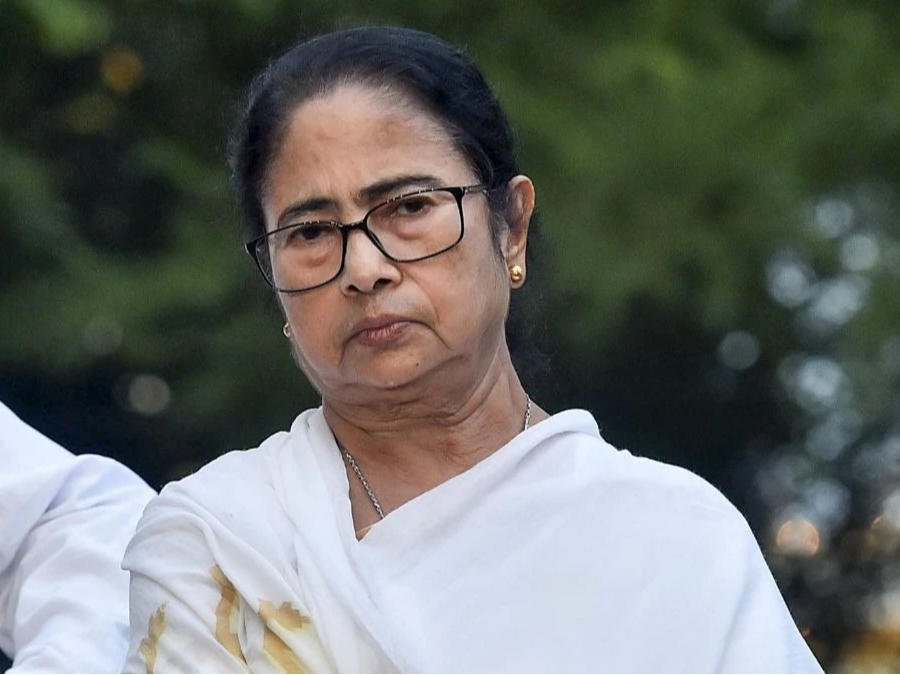
The political landscape of India continues to witness rapid transformations, with regional and national parties constantly recalibrating their strategies to secure electoral dominance. A striking manifestation of this shifting dynamic is the recent cold shoulder given by the Congress party to peace and collaboration overtures made by West Bengal Chief Minister Mamata Banerjee. This apparent indifference highlights a profound turning point in the wheel of political fortune, particularly in the aftermath of high-stakes assembly elections in West Bengal and surrounding regions.
For years, the relationship between the Trinamool Congress and the grand old party of Indian politics has been characterized by complex negotiations, tactical alliances, and fierce competition. While both entities have occasionally found common ground in opposing the ruling national administration, regional ambitions and local grassroots equations have frequently driven them apart. In the wake of recent electoral outcomes in West Bengal, where the Trinamool Congress successfully defended its turf against intense challenges, Mamata Banerjee sought to signal a willingness for broader coalition-building. However, the leadership of the Congress party has chosen to respond with notable reservation, signaling a new chapter in opposition politics.
Political analysts suggest that the Congress party's reluctance to warmly embrace these overtures stems from a calculated desire to rebuild its own organizational structure from the ground up in West Bengal. Historically, the state was a strong fortress for the Congress before the rise of regional forces. By accepting subordinate partnerships or hastily arranged truces, the national party fears it might permanently cede its remaining ground and cadre base to regional rivals. Consequently, the national leadership is currently prioritizing independent revival strategies, even if it means alienating potential allies in the short term.
On the other side of the political spectrum, this cold reception has added fuel to ongoing debates regarding opposition unity at the national level. Critics and observers argue that a fractured opposition plays directly into the hands of dominant ruling parties, making it exceedingly difficult to mount a cohesive challenge in future parliamentary elections. Conversely, supporters of the Congress party's current stance argue that regional parties often demand disproportionate concessions while failing to deliver transferable votes outside their home states. This tension between regional supremacy and national leadership ambitions remains a central paradox of contemporary Indian politics.
The implications of this standoff extend far beyond the borders of West Bengal. As regional heavyweights attempt to position themselves as pivotal players in national coalitions, established national parties are increasingly defensive about their turf and identity. The coming months will likely test the resilience of these fractured relationships, as state-level realities continue to clash with national electoral imperatives. Ultimately, the turning wheel of political fortune demonstrates that alliances in Indian politics are remarkably fluid, driven not by permanent friendships, but by evolving electoral arithmetic and strategic necessity.
How do you feel about this story?
Discussion
No comments yet. Be the first to share your thoughts.
Join the discussion
Sign in to share your thoughts on this story.