BNN Summary
The recent Rajya Sabha elections in Haryana have encountered significant legal and procedural challenges concerning voting secrecy. Political leaders and electoral candidates raised formal objections over compliance with the strict protocols mandated for casting votes in the upper house of parliament, sparking intense debates among election observers and legal experts regarding transparency and confidentiality.
In-Depth Analysis
The political landscape in Haryana has witnessed a fresh wave of controversy surrounding the recently concluded Rajya Sabha elections, as intense scrutiny has been directed toward the protocols governing voting secrecy. Electoral contests for the upper house of the Indian parliament have traditionally been high-stakes affairs, but this particular cycle in Haryana drew immediate attention due to formal objections raised by participating political factions and candidates.
According to details emerging from the election proceedings, concerns were primarily centered around whether the statutory provisions ensuring the absolute confidentiality of the ballot were strictly maintained during the voting process. Under the framework established for Rajya Sabha elections, legislators vote through a system of proportional representation by means of a single transferable vote. Unlike general elections where electronic voting machines are deployed to ensure complete anonymity, upper house elections utilize open ballot systems under specific surveillance and party supervision rules to prevent cross-voting and horse-trading.
However, the recent exercise in Haryana brought to light competing interpretations of how much exposure a ballot can have before it compromises the core principle of electoral secrecy. Opposition leaders and independent observers argued that certain procedural lapses allowed unauthorized individuals or party agents to inspect marked ballots beyond what is legally permissible. These grievances prompted formal petitions and representations to returning officers and election officials, demanding a thorough review of the video recordings and audit trails associated with the polling station.
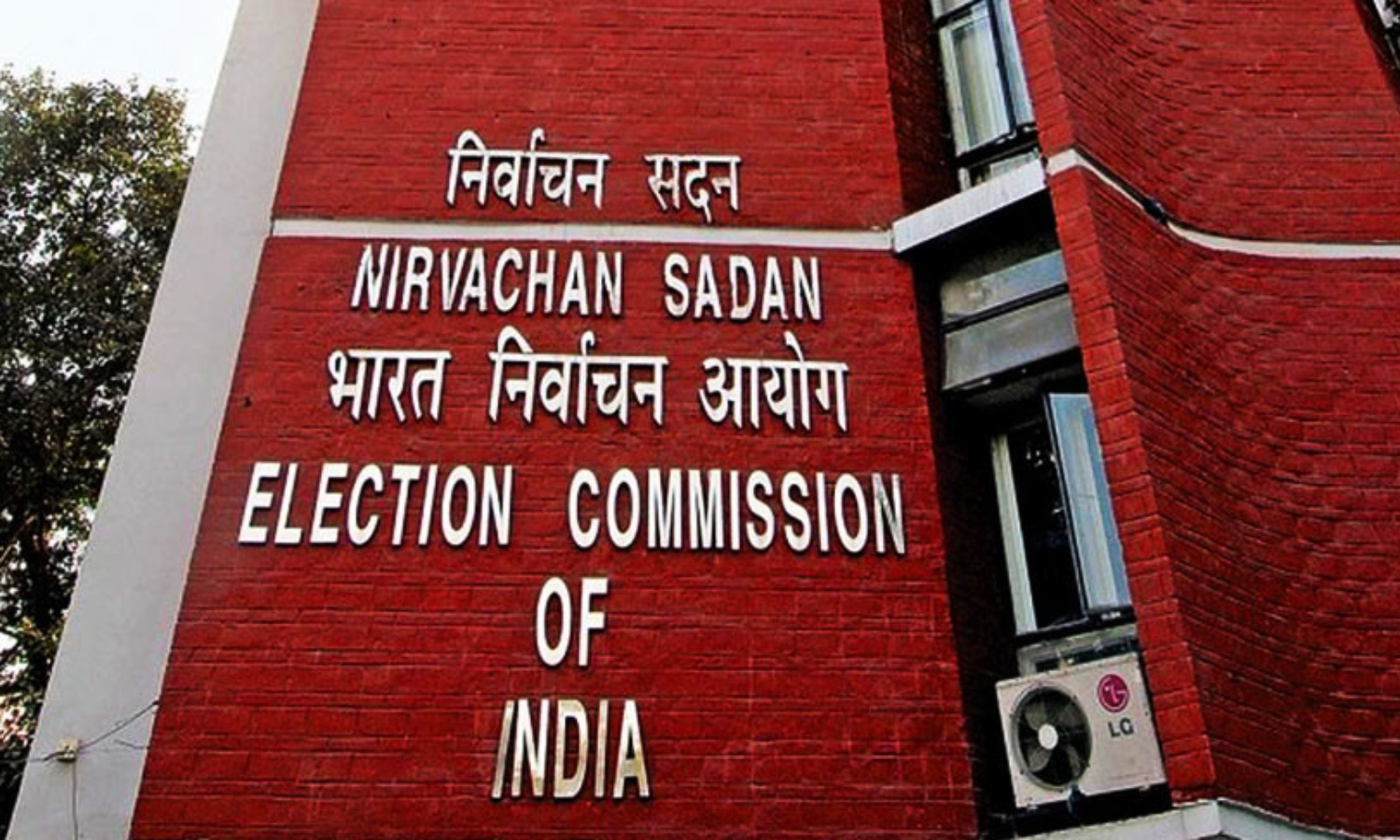
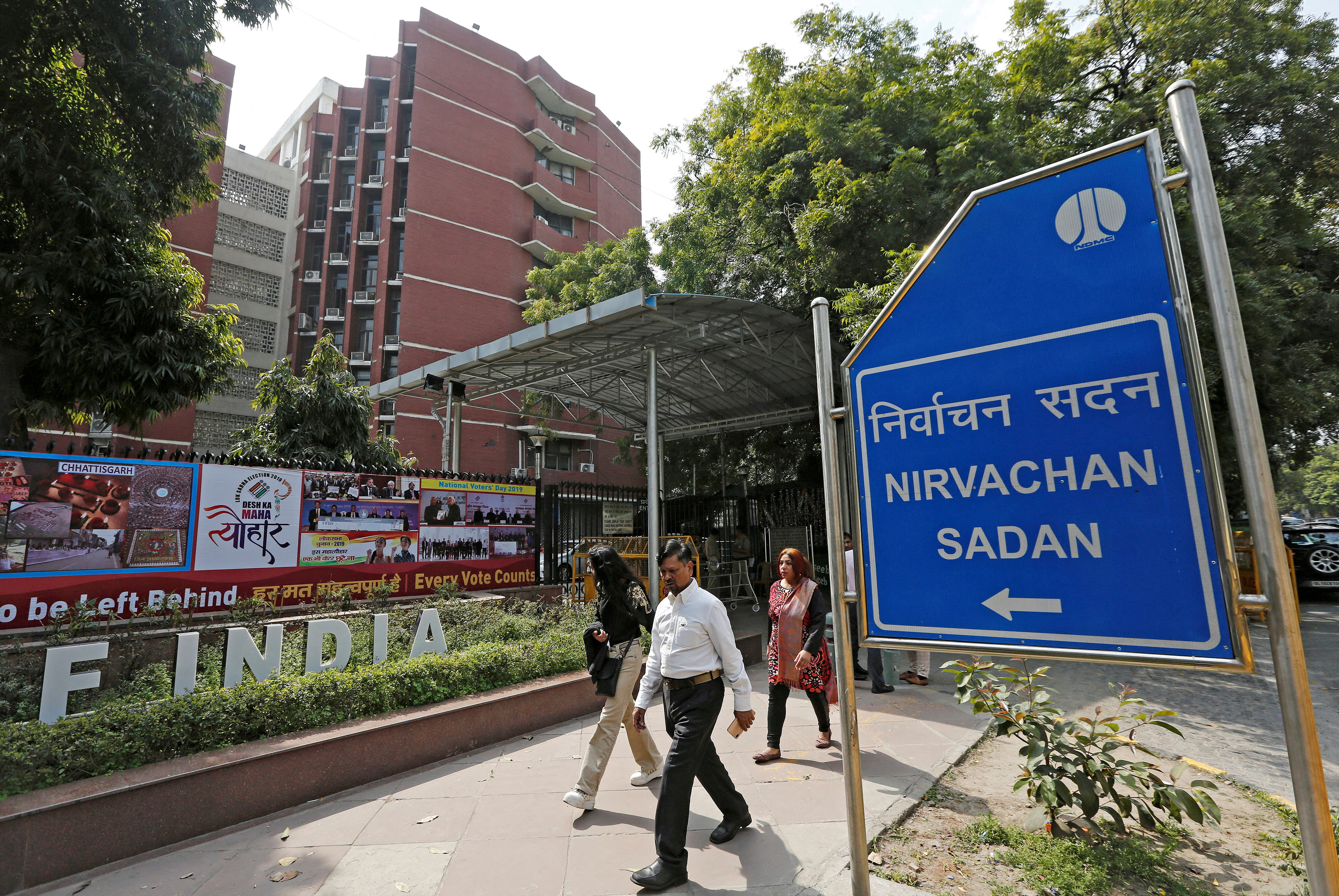
Legal experts note that Rajya Sabha elections frequently navigate a delicate balance between party discipline and individual legislative choice. The anti-defection law does not apply directly to upper house polls in the same manner as regular legislative motions, making political parties heavily reliant on institutional safeguards to ensure their legislators toe the official line. At the same time, the Election Commission of India has repeatedly emphasized that the secrecy of the vote remains paramount, leading to strict guidelines that mandate showing the marked ballot only to authorized polling agents of the respective political parties.
The unfolding situation in Haryana underscores the ongoing tension between ensuring internal party accountability and upholding the sanctity of a confidential democratic process. Election authorities have acknowledged the receipt of these objections and have initiated a preliminary examination of the procedural logs to determine whether any violation of the Representation of the People Act or the Conduct of Elections Rules took place. As political temperatures rise in the state capital, all eyes remain focused on the final determination by the election commission, which could potentially set a significant precedent for future legislative council and upper house elections across the country.
How do you feel about this story?
Discussion
No comments yet. Be the first to share your thoughts.
Join the discussion
Sign in to share your thoughts on this story.