BNN Summary
Congress leader Rahul Gandhi has raised serious concerns regarding the removal of 727 voters from a single slum area in Delhi, sparking a sharp political debate. While the Election Commission and the ruling Bharatiya Janata Party have defended the administrative process, opposition leaders have rallied behind the claims, highlighting broader issues of electoral transparency and voter disenfranchisement.
In-Depth Analysis
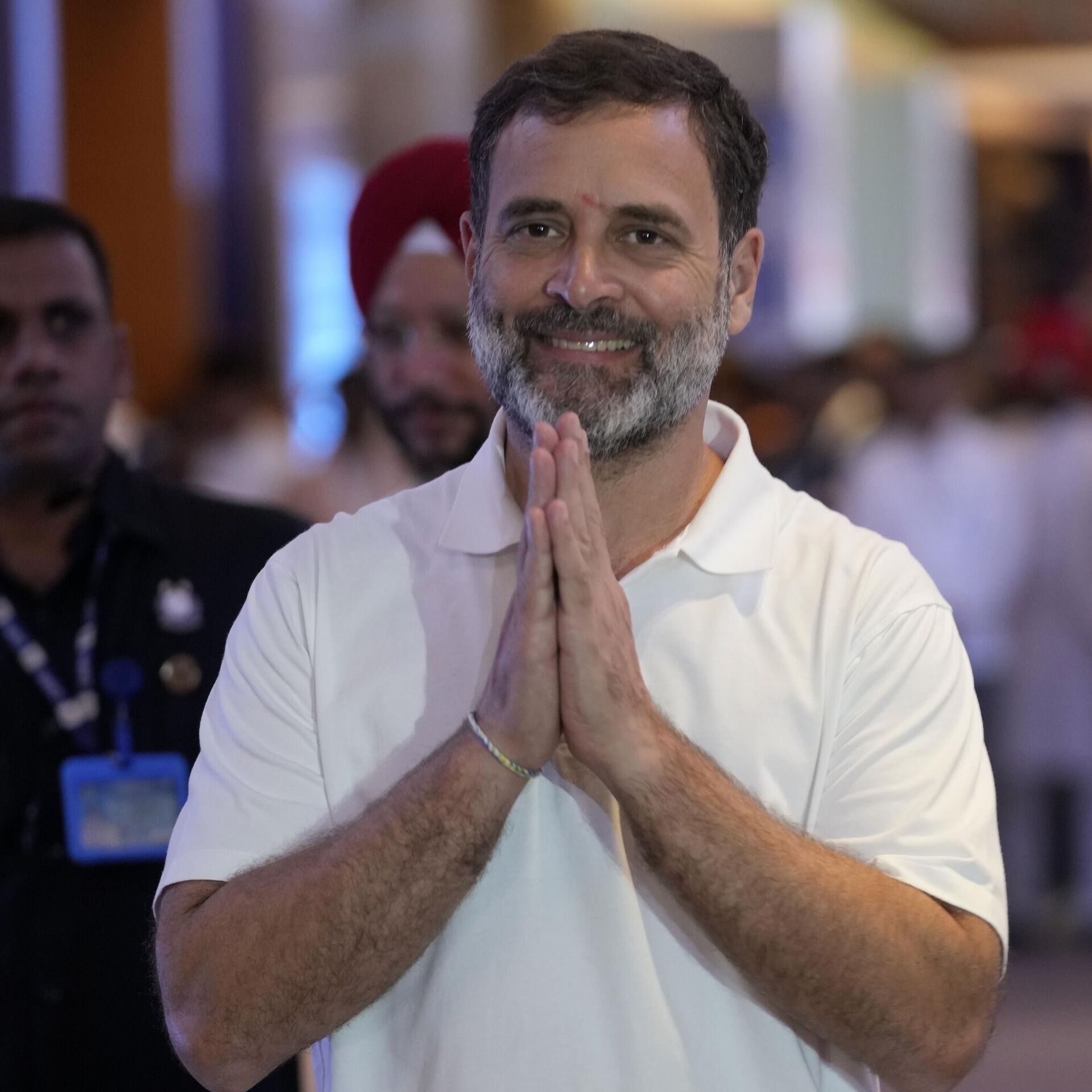
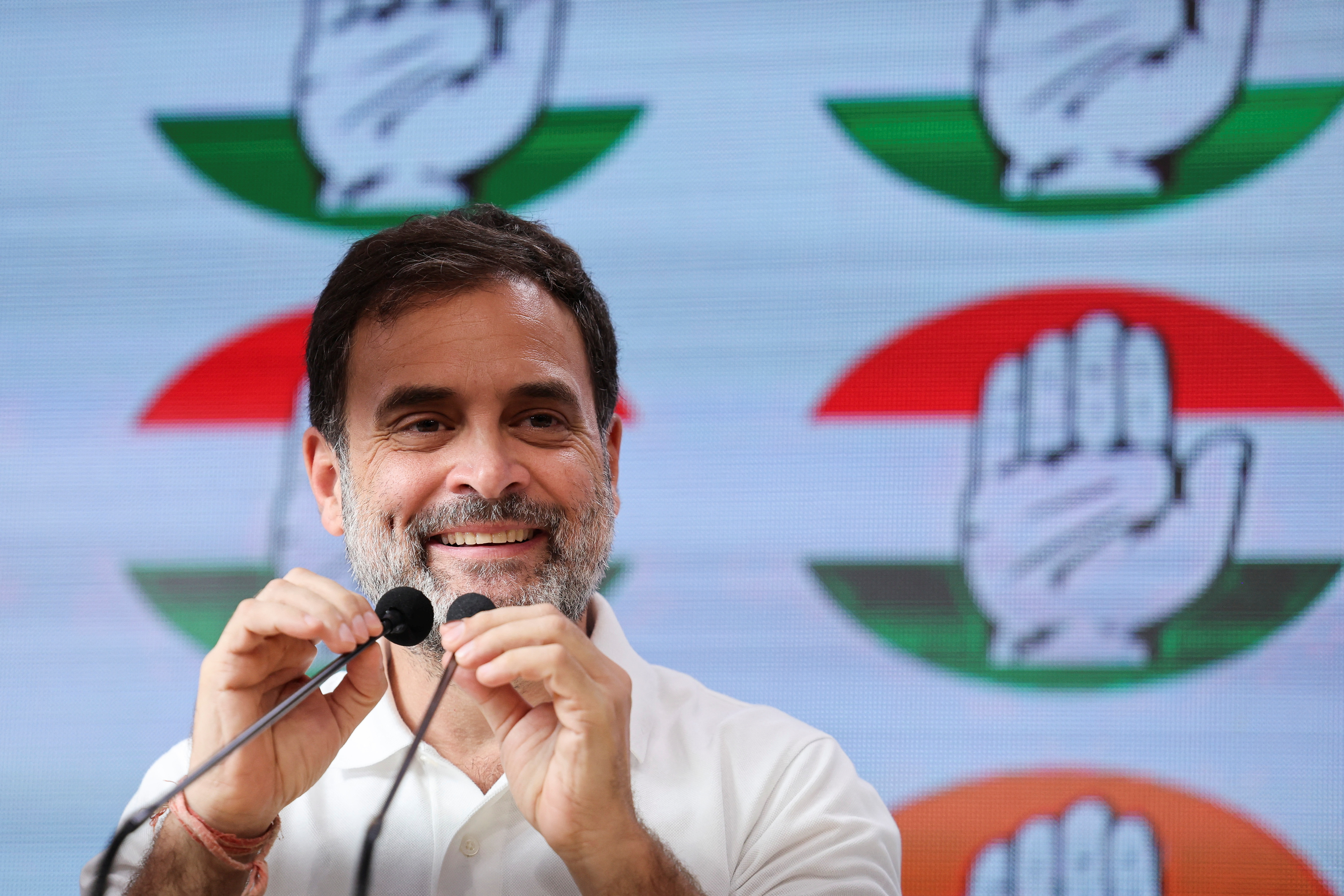
The Indian political landscape has once again been gripped by a fierce controversy over electoral rolls, following allegations made by prominent Congress leader Rahul Gandhi regarding the deletion of hundreds of voters in the national capital. The dispute centers around a specific slum area in Delhi, where Gandhi claimed that an alarming number of eligible citizens had their names systematically removed from the voter lists.
According to the details shared by the opposition camp, out of a targeted list of 728 registered voters in a particular pocket, a staggering 727 names were reportedly deleted. This massive anomaly immediately drew the attention of senior Congress figures, who argued that such large-scale removals cannot be dismissed as routine administrative updates. Instead, they framed the incident as a deliberate attempt to undermine the democratic rights of marginalized urban communities who traditionally rely on localized welfare and support networks.
The claims quickly triggered a defensive reaction from the political establishment. The Bharatiya Janata Party, which has been closely monitoring opposition rhetoric in the lead-up to upcoming electoral battles, strongly rejected the accusations. BJP representatives maintained that the Election Commission operates as an independent constitutional body bound by strict protocols. They asserted that any modifications, updates, or deletions made to electoral rolls are conducted strictly in accordance with statutory guidelines, which include physical verification, addressing duplicate entries, and accounting for permanent migration or deceased individuals.
Adding further momentum to the discourse, senior Congress MP Sukhdeo Bhagat stepped forward to defend Rahul Gandhi's assertions. Bhagat criticized the ruling dispensation for what he described as an institutional failure to protect the voting rights of the poor. He emphasized that slums and economically weaker sections of society are frequently targeted by administrative oversights or deliberate disenfranchisement tactics, making it imperative for independent observers and the election watchdog to investigate the matter thoroughly.
In response to the growing political pressure, officials from the Election Commission of India also weighed in on the controversy. The poll panel clarified the technicalities surrounding the specific locality mentioned by the opposition, noting that routine revisions often witness structural changes due to urban redevelopment, slum relocation, or shifts in residential addresses. However, the commission assured the public that transparency remains its utmost priority and that mechanisms are always in place to address genuine grievances regarding missing or erroneously deleted names.
Political analysts watching the development note that voter list integrity has historically been a sensitive flashpoint in Indian elections. With urban electorates playing a decisive role in shaping the political destiny of Delhi, every procedural discrepancy is magnified under the microscope of party politics. The latest verbal duel between the Congress and the BJP underscores the intense competition for urban slum votes and highlights the ongoing debate over the administrative efficiency and neutrality of India's election management system. As both sides dig in their heels, civil society organizations have called for greater proactive disclosure and easier grievance redressal mechanisms to ensure that no eligible citizen is denied their fundamental right to vote.
How do you feel about this story?
Discussion
No comments yet. Be the first to share your thoughts.
Join the discussion
Sign in to share your thoughts on this story.


/theprobe/media/media_files/2026/09/23/cec-gyanesh-kumar-eci-controversy-2026-09-23-17-07-14.jpg)