/theprobe/media/media_files/2026/09/23/cec-gyanesh-kumar-eci-controversy-2026-09-23-17-07-14.jpg)
BNN Summary
India's Chief Election Commissioner, Gyanesh Kumar, finds himself at the center of significant political controversy and judicial scrutiny. Recent legal challenges questioning the extensive powers of the country's top election official, combined with split judicial judgments, have ignited a nationwide debate regarding the autonomy, accountability, and structural balance within India's premier democratic institutions.
In-Depth Analysis
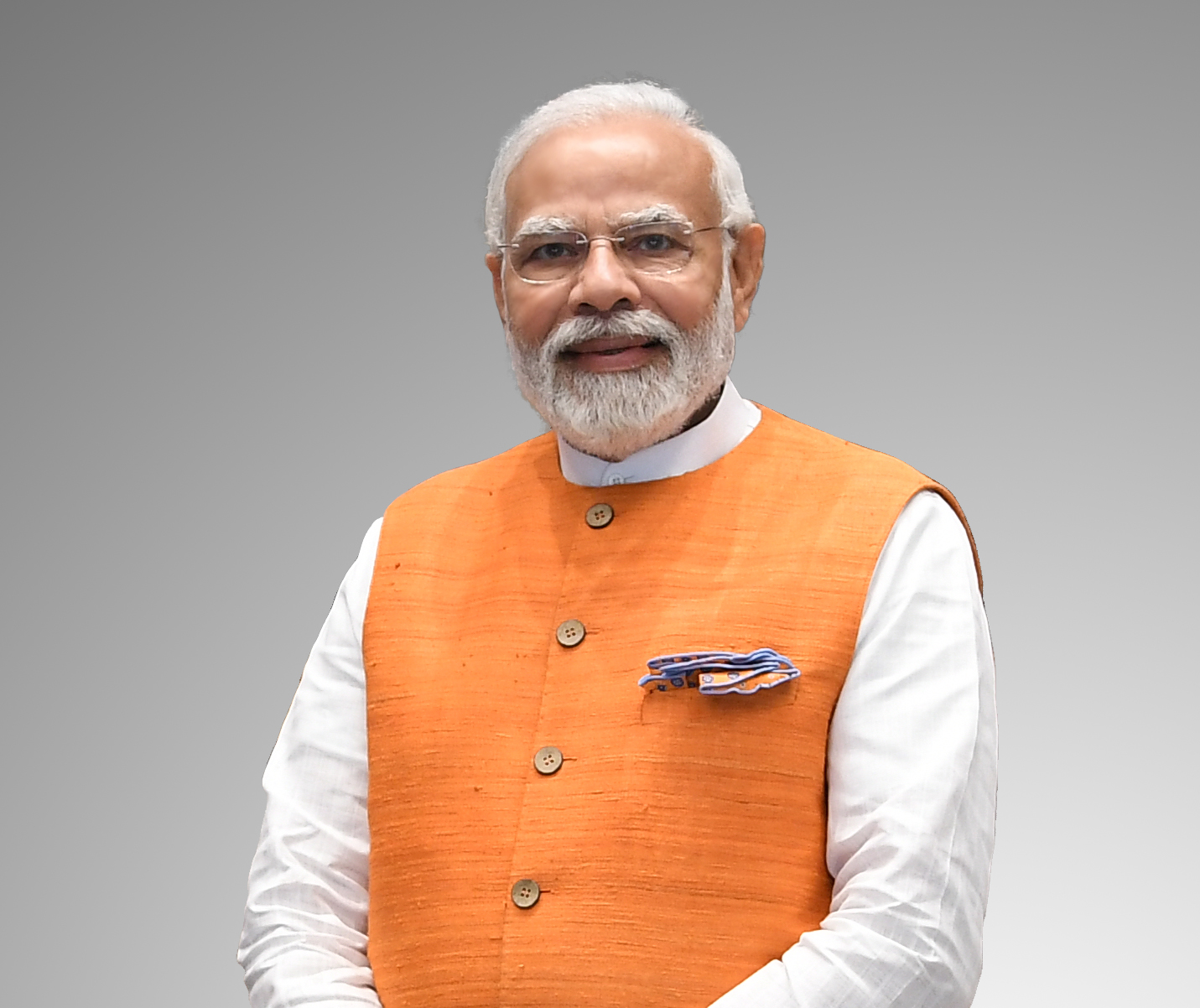
The role of India's election chief has once again been thrust into the national spotlight, as Gyanesh Kumar navigates a complex web of political storms and significant judicial challenges. As the head of the Election Commission of India, Kumar is responsible for overseeing the world's largest democratic exercises, a task that inherently demands absolute neutrality, steadfast resilience, and meticulous administrative precision. However, recent developments have brought the institution's structural framework and executive powers under intense microscopic examination by legal experts, political analysts, and the judiciary alike.
At the heart of the current discourse is a series of legal challenges brought before higher judicial forums, specifically targeting the scope and execution of powers vested in the Chief Election Commissioner. Critics and petitioners argue that the existing statutory framework may allow for an imbalance of authority, potentially compromising the perceived independence of the electoral oversight body. These petitions raise fundamental questions about how election commissioners are appointed, the extent of their administrative discretion, and the institutional safeguards necessary to protect the commission from partisan pressures.
The debate gained further momentum following a split judgment delivered by a higher judicial bench regarding the regulation of electoral disputes and the discretionary powers held by the commission. Such divided verdicts often highlight deep-seated philosophical differences within the legal community regarding the separation of powers and the extent to which courts should intervene in the administrative domain of constitutional authorities. Legal scholars have pointed out that a split judgment underscores the complexity of balancing executive efficiency with democratic accountability, leaving critical questions unanswered and paving the way for prolonged legal battles.
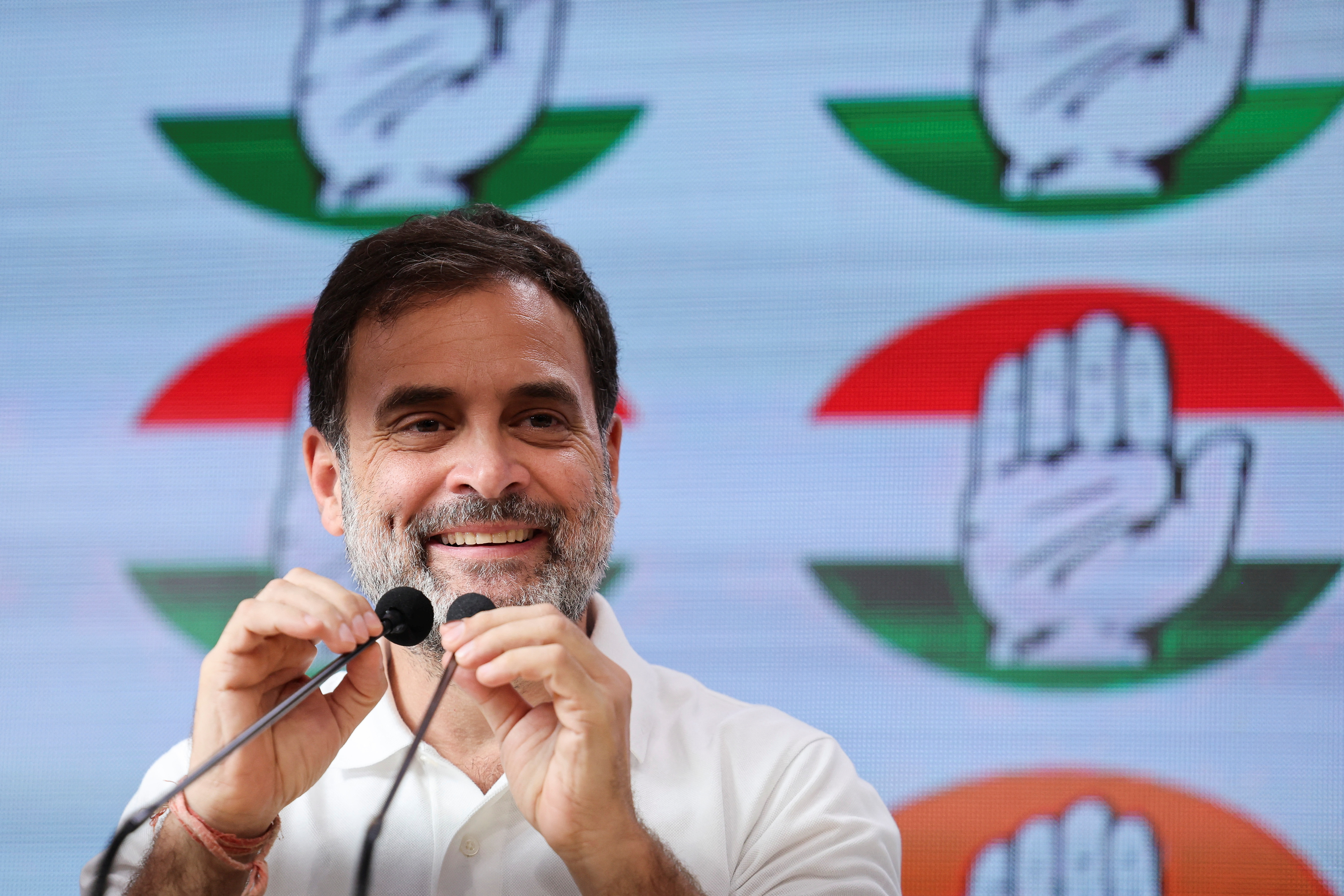
Political friction has simultaneously amplified the pressure on Gyanesh Kumar and his office. Opposition parties and civil society organizations have voiced concerns over the management of recent electoral processes, demanding greater transparency and stricter adherence to protocol. These groups argue that maintaining public trust in the electoral machinery is paramount, especially in a diverse and politically vibrant nation like India, where the legitimacy of election results forms the bedrock of democratic stability. Conversely, supporters of the Election Commission maintain that the institution operates strictly within the confines of the law, fulfilling its constitutional mandate under exceptionally challenging circumstances.
Industry observers and constitutional experts note that the ongoing controversies reflect a broader, healthy evolution of Indian democracy, where institutional checks and balances are continuously tested and refined. The current legal scrutiny serves as a reminder of the delicate equilibrium required to sustain public confidence in state organs. As the legal proceedings unfold and the judiciary deliberates on the finer points of the election chief's powers, the decisions made in the coming months will likely have far-reaching implications for the future governance and autonomy of the Election Commission of India.
Ultimately, the ability of Gyanesh Kumar to steer the commission through these turbulent waters will depend on adherence to institutional transparency, robust defense of constitutional values, and a willingness to engage constructively with constructive criticism from all quarters of society. The preservation of the sanctity of the ballot remains the ultimate test for India's electoral custodians.
How do you feel about this story?
Discussion
No comments yet. Be the first to share your thoughts.
Join the discussion
Sign in to share your thoughts on this story.