BNN Summary
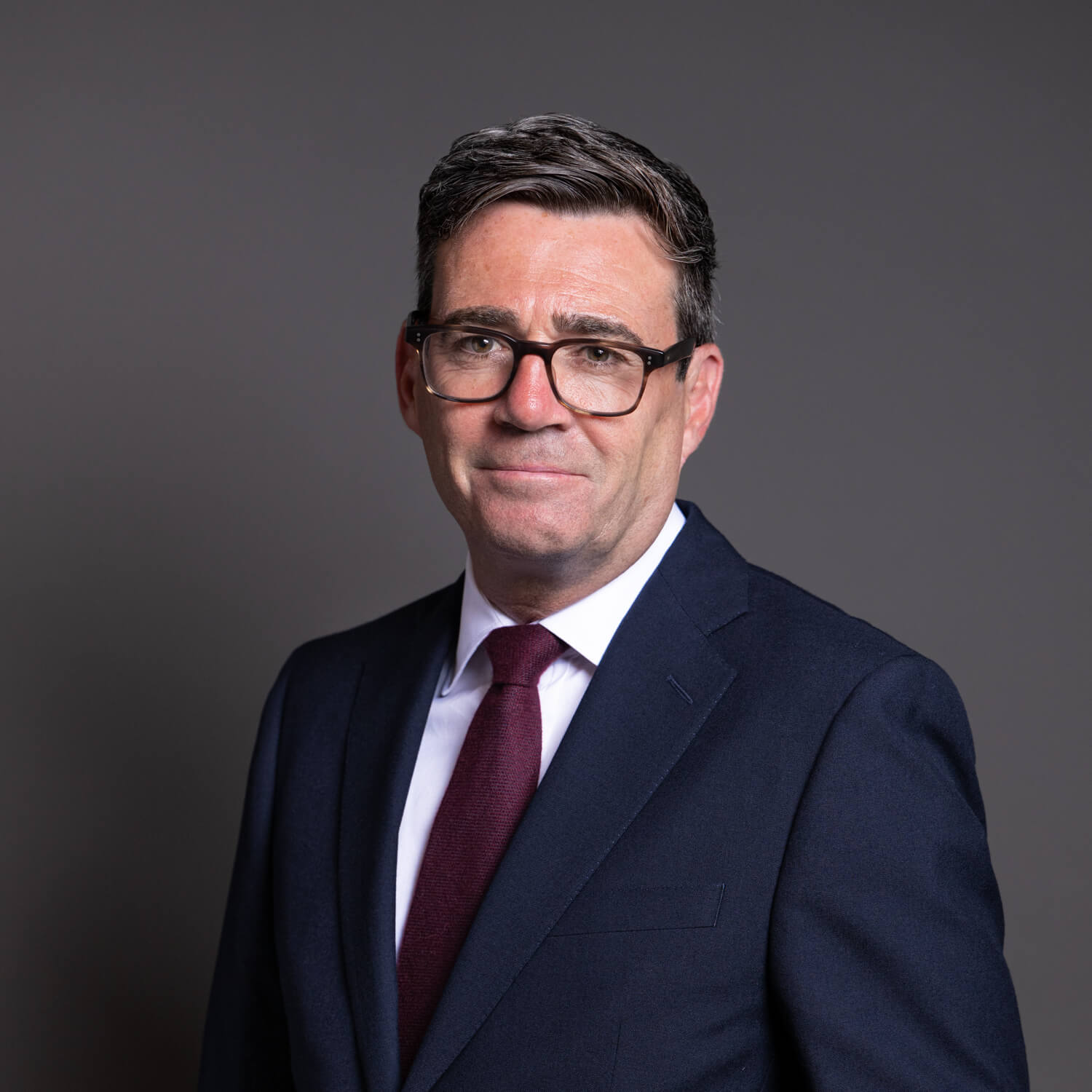
Greater Manchester Mayor Andy Burnham has reignited the national debate on Brexit by outlining a long-term strategy for the United Kingdom to re-enter the European Union. Speaking at a major conference, Burnham argued that the economic realities of post-Brexit Britain necessitate a closer relationship with European neighbors, drawing cautious praise from prominent business organizations.
In-Depth Analysis
Greater Manchester Mayor Andy Burnham has opened the door to the United Kingdom eventually rejoining the European Union, using a major conference address to outline what he described as a realistic and clear path forward for the country. His remarks have immediately reshaped the political landscape surrounding post-Brexit relations, drawing strong reactions from both political allies and prominent business groups.
During his keynote speech, Burnham emphasized that the current economic challenges facing the United Kingdom cannot be fully resolved without addressing the friction introduced by leaving the European single market and customs union. While acknowledging that any process of re-engagement would require patience, careful diplomacy, and broad public consensus, he insisted that the nation must not permanently close the door on European integration. His comments mark a notable intervention in the ongoing national debate about the long-term future of the UK's trade and political alliances.
'We must be honest with ourselves about the reality of our current economic position,' Burnham stated during the address. 'The path we are currently on has created unnecessary barriers for our exporters, our manufacturers, and our working families. While nobody is suggesting an overnight reversal, we need a mature, phased conversation about how we rebuild our relationship with our closest neighbors and trading partners.'
Business organizations have responded favorably to Burnham's pragmatic framing of the issue. Representatives from various sectors, particularly manufacturing, logistics, and hospitality, have long complained about the administrative burdens and labor shortages exacerbated by the current trade arrangements. Industry leaders noted that a structured roadmap toward closer alignment with European standards could significantly reduce red tape and restore vital supply chains.
Political analysts view Burnham's intervention as a strategic positioning within the wider Labour movement, signaling to pro-European voters that their concerns remain valid and worthy of representation at the highest levels of governance. Although the leadership of the Labour Party has maintained a cautious stance on reopening the Brexit debate—preferring instead to focus on improving the existing trade and cooperation agreement—grassroots enthusiasm for closer European ties remains exceptionally high.
Critics of the proposal, however, argue that reopening the Brexit debate would unnecessarily inflame political divisions that the country has spent years trying to move past. Opponents contend that the focus should remain entirely on making the existing framework work through targeted bilateral agreements and domestic economic reforms, rather than revisiting the bitter ideological battles of the past.
Despite the political sensitivities, Burnham's speech is expected to influence upcoming policy discussions across the political spectrum. As economic pressures persist, the debate over the UK's long-term relationship with the European Union is unlikely to fade away quietly, and figures like Burnham are positioning themselves at the center of that evolving conversation.
How do you feel about this story?
Discussion
No comments yet. Be the first to share your thoughts.
Join the discussion
Sign in to share your thoughts on this story.