BNN Summary
Following his resignation, former Education Minister Dharmendra Pradhan has firmly rejected labels of elitism, positioning himself as a grassroots leader committed to structural education reform in response to widespread student protests.
In-Depth Analysis
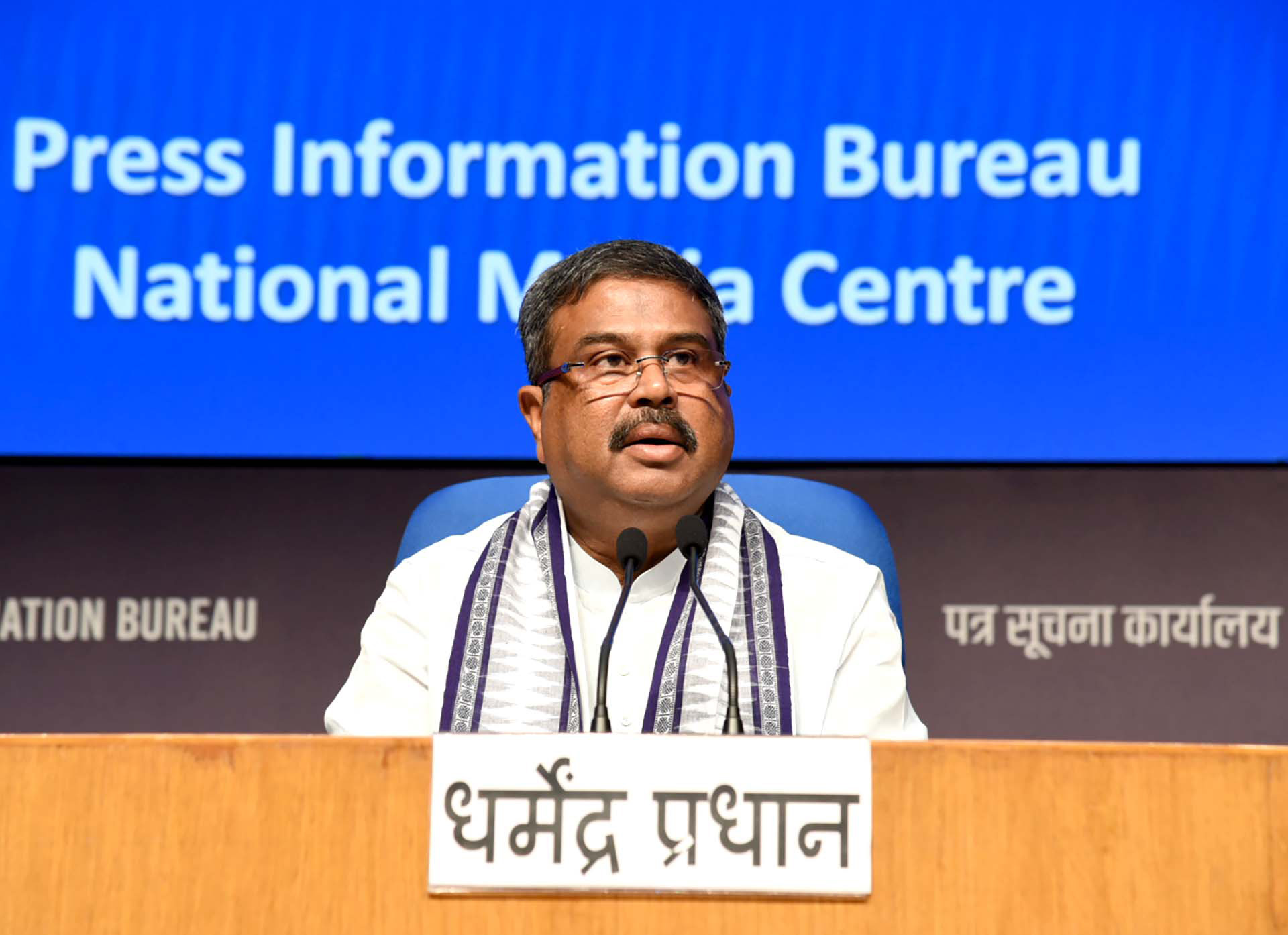
In a pointed departure from his ministerial tenure, former Education Minister Dharmendra Pradhan has taken a defiant stance against critics, declaring himself a 'street fighter' rather than an 'AC-room activist.' The remarks, delivered within the premises of the Parliament, come in the wake of his resignation following a tumultuous period defined by the NEET and CBSE examination controversies. Pradhan's statement signals a shift toward a more aggressive, populist defense of his administrative record as he navigates the political fallout of a series of crises that rocked the nation's higher education system.
The Catalyst for Reform
The resignation follows a prolonged period of national unrest, largely driven by students who protested against systemic failures in the administration of national competitive examinations. The outcry centered on allegations of paper leaks, result anomalies, and logistical failures in the NEET-UG and various CBSE assessments. These protests evolved into a significant political liability, eventually compelling the government to prioritize legislative intervention. Consequently, the Union government introduced a comprehensive Exam Reforms Bill designed to overhaul the current testing framework and restore credibility to the selection process for prestigious academic institutions.
Defending the Record
Pradhan emphasized that his approach to education governance was never about sitting in the comforts of an air-conditioned office. Instead, he argued that his tenure was focused on deep, ground-level engagement with the complexities of the Indian educational landscape. Addressing the media, he dismissed the notion that he was detached from the realities faced by millions of students, insisting that his background and work ethic remain rooted in the struggles of the common people. He suggested that his resignation should not be viewed as a surrender to political pressure, but rather as an opportunity to address the structural issues that have long plagued the examination system.
Legislative Action and Future Outlook
The proposed Exam Reforms Bill aims to mitigate the risk of fraudulent activities by introducing higher levels of security and accountability in the testing cycle. Critics have pointed out that the bill comes only after intense public pressure, but government proponents argue that it represents a robust commitment to change. As the nation watches the implementation of these new measures, the focus remains on whether these legal frameworks will be sufficient to prevent future breaches.
Pradhan's supporters suggest that his 'street fighter' persona is intended to galvanize party workers and reassure the public that he remains active in political discourse. However, the path forward remains challenging. The education sector is currently undergoing a period of intense scrutiny, and any future failures in examination integrity will likely be linked back to the policies overseen during his term. For now, the narrative has shifted from the resignation itself to the broader implications of these reforms, as students and stakeholders alike wait to see if the government can truly secure the future of India's academic assessment protocols.
How do you feel about this story?
Discussion
No comments yet. Be the first to share your thoughts.
Join the discussion
Sign in to share your thoughts on this story.