BNN Summary
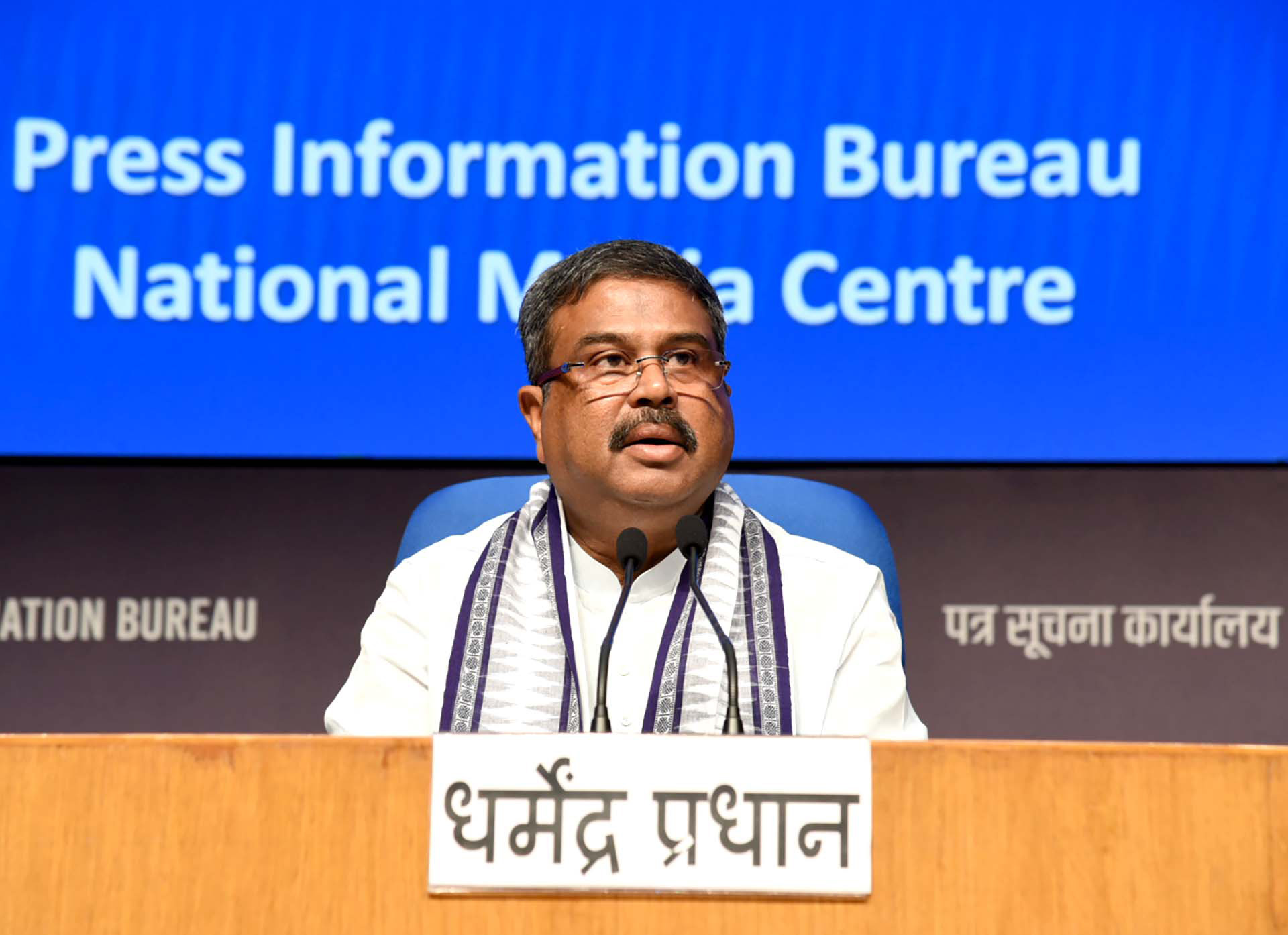
Union Education Minister Dharmendra Pradhan faces intense scrutiny following his resignation amidst a massive national scandal involving the NEET examination. This move marks a significant shift in India's political landscape.
In-Depth Analysis
The resignation of Union Education Minister Dharmendra Pradhan has sent shockwaves through the corridors of power in New Delhi, marking a pivotal moment in the administration's handling of the national education crisis. For weeks, Pradhan had remained the face of the government's defense regarding the NEET (National Eligibility cum Entrance Test) irregularities, which saw hundreds of thousands of students across India demanding accountability for alleged paper leaks and systemic corruption in the testing process.
The Anatomy of a Political Crisis
The controversy began when allegations of malpractice, ranging from inflated test scores to organized leaks, emerged following the announcement of the NEET results. As the protests intensified, with student organizations and opposition leaders like Rahul Gandhi calling for transparency, Pradhan initially stood firm. He maintained that the testing infrastructure was robust and that isolated incidents did not constitute a widespread failure. However, as the evidence of deep-seated issues mounted, the pressure on the Ministry of Education became unsustainable.
Analysts suggest that the decision for Pradhan to step down was not merely a reaction to the NEET crisis but a strategic move by the central government to stem the tide of growing public dissatisfaction. By sacrificing a high-profile minister, the administration hopes to signal a commitment to reform and a willingness to purge systemic weaknesses within the examination board.
Pradhan as a 'Street Fighter'
In his first public comments following the resignation, Pradhan described himself as a 'street fighter.' This characterization offers a glimpse into his future political trajectory. During an informal interaction with senior Congress MP Jairam Ramesh, Pradhan underscored his history of grassroots agitation, suggesting that his exit from the cabinet would not signal a withdrawal from active politics. Instead, he intends to refocus his energy on organizational work and constituency-level engagement.
The Opposition's Perspective
Opposition leaders have framed the resignation as a 'too little, too late' victory for the student movement. Jairam Ramesh and other critics have argued that a single resignation fails to address the root causes of institutional decay within the National Testing Agency (NTA). The debate has transcended the exam issue, touching upon broader concerns regarding transparency in the government's recruitment and testing processes. The opposition remains committed to utilizing the parliamentary floor to demand a thorough, court-monitored investigation into the NEET scandal, asserting that Pradhan's departure does not absolve the government of its broader responsibilities.
What Lies Ahead for the Ministry?
As the government looks to appoint a successor, the primary challenge remains the restoration of public trust. Millions of students and their families depend on a fair assessment system to determine their academic futures. The incoming minister will be tasked with undertaking a complete overhaul of the examination protocols, implementing digital security enhancements, and ensuring that future testing cycles are immune to the corruption that marred this year's results.
The resignation of Dharmendra Pradhan represents a significant chapter in the current administration's history, serving as a reminder of the power of student-led advocacy and the fragile nature of political stability when confronted with widespread public scrutiny.
How do you feel about this story?
Discussion
No comments yet. Be the first to share your thoughts.
Join the discussion
Sign in to share your thoughts on this story.