BNN Summary
The Supreme Court of India has opted to postpone key decisions regarding the NEET examination process until a high-powered committee, led by Infosys co-founder Nandan Nilekani, submits its formal recommendations on systemic reforms.
In-Depth Analysis
The Supreme Court of India has officially announced that it will withhold further judicial directives regarding the contentious NEET examination process until a newly formed expert committee completes its investigation. This high-powered task force, spearheaded by Infosys co-founder and former UIDAI chairman Nandan Nilekani, has been tasked by the Prime Minister's Office to overhaul the nation's testing infrastructure.
The Mandate of the Nilekani Panel
Nandan Nilekani, widely recognized as the principal architect of the Aadhaar digital identity system, brings decades of expertise in large-scale technological deployment and governance to this role. The committee's primary objective is to recommend comprehensive reforms to ensure the integrity, transparency, and security of high-stakes competitive examinations conducted by the National Testing Agency (NTA). Given the recent climate of student protests and administrative resignations, the government has moved to leverage Nilekani's reputation for systemic efficiency.
Context of the Judicial Decision
The Supreme Court's decision to wait for the panel's input underscores the complexity of the current crisis. The judiciary recognizes that technical and administrative overhauls are better suited for expert bodies rather than immediate judicial intervention. The court noted that it requires a clear roadmap for procedural integrity before it can effectively adjudicate on the existing petitions filed by students and organizations concerned with exam security.
Strategic Importance of the Appointment
By placing Nandan Nilekani at the helm of this task force, the government is signaling a shift toward digitizing and hardening the examination process against malpractice. Nilekani has previously demonstrated a unique capability to navigate bureaucratic hurdles while integrating sophisticated technology into public services. His involvement is expected to bring a layer of 'tech-first' scrutiny to the examination chain, focusing on:
- Digital Security: Evaluating encryption and secure data handling protocols for question paper distribution.
- Process Transparency: Implementing robust, real-time monitoring of examination centers.
- Administrative Accountability: Establishing clear protocols for the National Testing Agency to manage logistical failures.
Implications for Students and Stakeholders
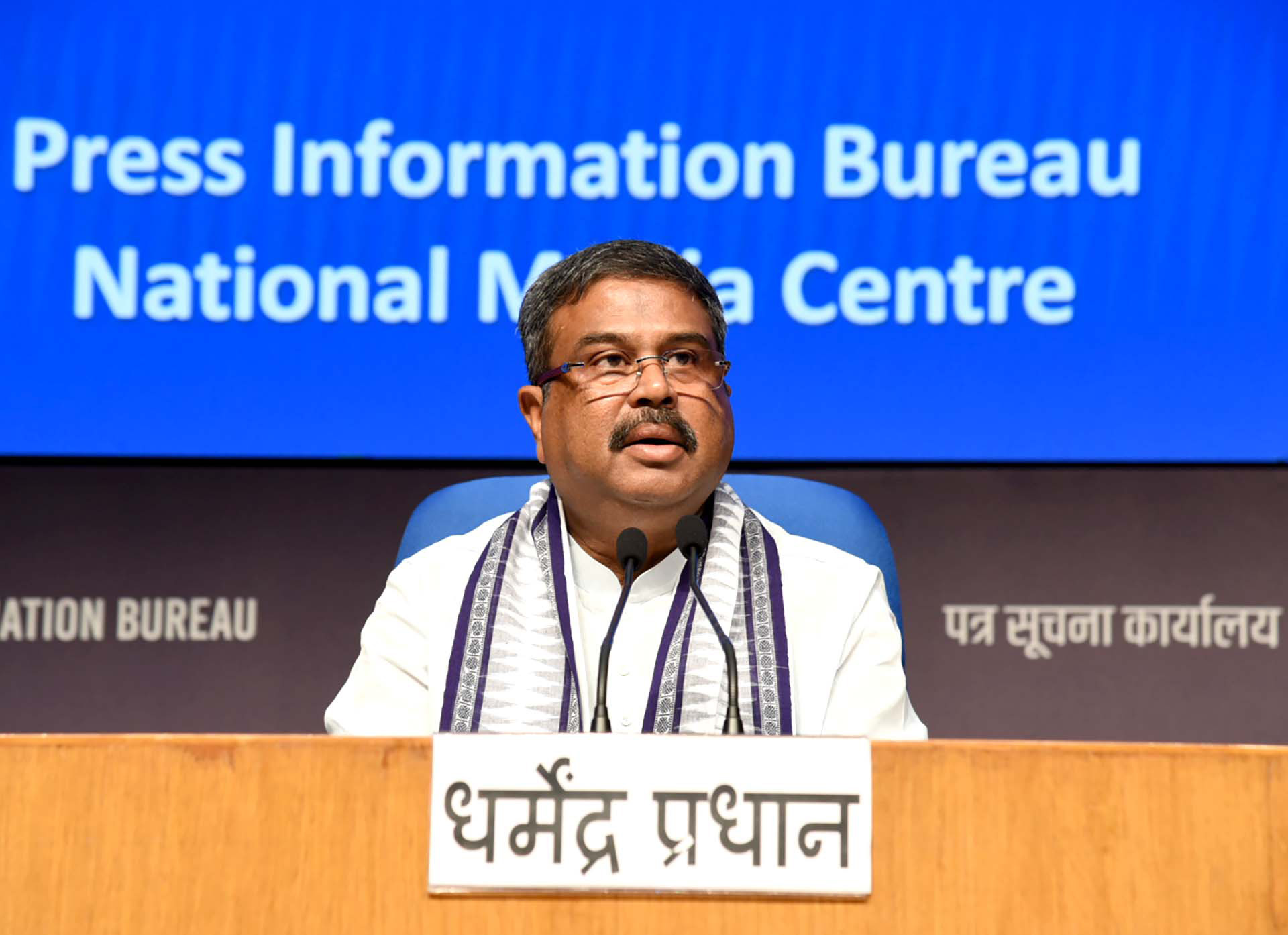
For the millions of students preparing for future iterations of the NEET, the wait for the Nilekani committee report represents a pivot point in Indian education policy. The government is under immense pressure to restore public trust following the recent resignation of Education Minister Dharmendra Pradhan. Observers suggest that the panel will likely advocate for a hybrid model that incorporates advanced biometric authentication and decentralized question bank management.
As the Supreme Court waits, the academic community remains in a state of anticipatory pause. The eventual implementation of the committee's findings will likely serve as the benchmark for all future national entrance examinations in India. The panel is expected to submit its interim findings within the next few months, providing the judicial system with the necessary data to resolve pending cases regarding examination irregularities.
How do you feel about this story?
Discussion
No comments yet. Be the first to share your thoughts.
Join the discussion
Sign in to share your thoughts on this story.