Image: Wikipedia
BNN Summary
The Lok Sabha faced significant disruptions today as opposition members staged intense protests, leading to a complete halt of proceedings. Sloganeering and demands for accountability brought legislative work to a standstill, prompting an immediate adjournment.
In-Depth Analysis
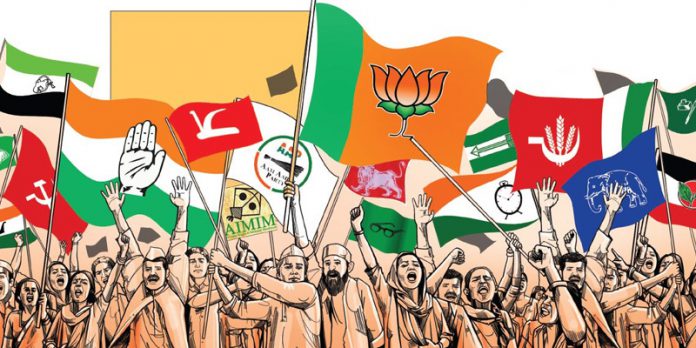
Legislative proceedings in the Lok Sabha were brought to a sudden and turbulent halt today as members of the opposition staged a massive protest, resulting in the adjournment of the House. The intensity of the dissent manifested through loud sloganeering and members rushing into the well of the House, effectively paralyzing the day's scheduled business. This disruption marks yet another chapter in the increasingly strained relationship between the government and the opposition benches during the current parliamentary session.
The Sequence of Disruptions
Shortly after the House convened for the day, members from various opposition parties initiated a coordinated protest. The primary triggers for the ruckus revolved around contentious national issues, with lawmakers demanding immediate clarifications from the Treasury benches. As the Speaker attempted to maintain decorum and move toward the Question Hour, the volume of the protests rose significantly. Opposition MPs gathered in the center of the chamber, brandishing placards and shouting slogans that challenged the government's stance on recent policy decisions.
Despite repeated appeals from the Chair for members to return to their seats and allow the democratic process to function, the situation escalated. The presiding officer was left with little choice but to announce an initial suspension of the proceedings. When the House reconvened, the atmosphere remained equally volatile, with no signs of de-escalation, ultimately forcing the presiding officer to adjourn the House for the remainder of the day.
Core Issues Behind the Turmoil
Parliamentary analysts note that today's events are indicative of a deeper divide regarding governance and transparency. The opposition has accused the ruling administration of bypassing parliamentary scrutiny on critical legislation and failing to address pressing concerns regarding unemployment and economic inflation. Conversely, government leaders have characterized these disruptions as a deliberate attempt to obstruct the legislative agenda and undermine the institution of Parliament.
- Demand for oversight: The opposition continues to push for higher transparency in executive decision-making.
- Legislative logjam: Critical bills remain pending as the time allocated for debate is consumed by protests.
- Communication breakdown: The lack of a consensus-building mechanism between the ruling party and the opposition has created a persistent stalemate.
Institutional Implications
This incident adds to the growing concern regarding the loss of productive hours in the legislature. Observers have long pointed out that while dissent is a vital component of democracy, the constant disruption of proceedings prevents the passage of essential statutes and the conduct of oversight functions. The ongoing friction suggests that the remainder of the session will likely witness further confrontations, as both sides appear entrenched in their positions. As of now, the House remains in a state of suspended animation, with no immediate resolution in sight for the grievances voiced by the protesting members. The nation awaits a potential cooling-off period or a breakthrough dialogue that might allow the legislative body to resume its primary responsibility of governance.
How do you feel about this story?
Discussion
No comments yet. Be the first to share your thoughts.
Join the discussion
Sign in to share your thoughts on this story.