Image: Wikimedia
BNN Summary
Pressure mounts on education ministries across India as concerns regarding systemic failures and paper leaks spark widespread protests. The discourse surrounding the leadership of Dharmendra Pradhan and regional counterparts highlights a critical national demand for transparent examination reforms.
In-Depth Analysis
The landscape of Indian education governance is currently facing a period of intense turbulence, characterized by mounting pressure from students, academic unions, and opposition political factions. The primary driver of this volatility is a series of recurring controversies related to high-stakes examination integrity, most notably the recurring incidents of paper leaks that have compromised the future of countless students. The discourse has reached a crescendo, forcing a re-evaluation of ministerial accountability and the structural integrity of the national testing apparatus.
The Fallout from Examination Irregularities
The central tension revolves around the perceived failure of oversight mechanisms tasked with safeguarding the sanctity of competitive examinations. In various parts of the country, student-led protest groups have mobilized to demand more than just the resignation of top officials; they are calling for systemic, top-to-bottom institutional reforms. In cities like Bengaluru, activist groups have maintained that the exit of high-ranking ministers, including Dharmendra Pradhan, acts merely as a cosmetic solution if the underlying systemic issues remain unaddressed. According to these academics, the current crisis is a symptom of deep-seated administrative complacency.
Political Accountability and the Opposition
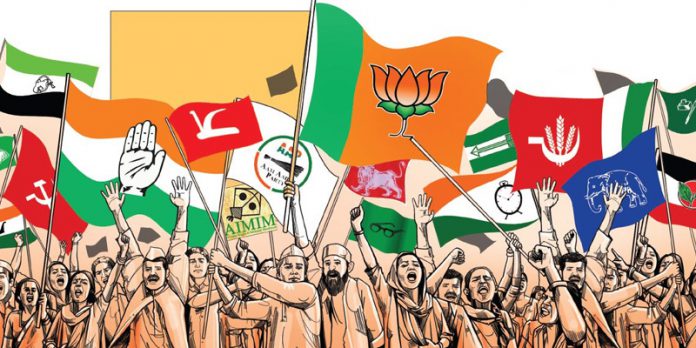
The political dimension of this issue is equally significant. Opposition parties, recognizing the vulnerability of the ruling establishment regarding education policy, have launched coordinated attacks on both central and state-level leadership. In Punjab, for instance, political rhetoric has reached a fever pitch, with calls for the resignation of state education minister Harjot Singh Bains following reported instances of paper leaks. The opposition has labeled the current administrative response as 'shameless,' demanding immediate structural overhaul to prevent the exploitation of students who spend years preparing for these life-altering assessments.
The Media and Public Scrutiny
Mainstream and independent media outlets have played a crucial role in amplifying these grievances. Intense televised debates have featured journalists posing rigorous, multi-faceted questions regarding ministerial transparency. Such platforms have been instrumental in pushing the narrative beyond mere political point-scoring, focusing instead on the ethical responsibility of public servants to ensure meritocracy.
Moving Toward Reform
The overarching sentiment among the youth and academic communities is one of exhaustion. Many stakeholders argue that the resignation of individual ministers does not solve the broader crisis. Instead, they advocate for:
- Technological Audits: Upgrading the digital infrastructure used to secure and distribute examination papers.
- Legislative Changes: Implementing stricter, more transparent anti-corruption laws specific to educational institutions.
- Independent Oversight: Establishing a non-partisan body to monitor the execution of national-level entrance tests.
As the debate continues to unfold, the pressure on the government remains unprecedented. The educational integrity crisis has effectively become a litmus test for the administration's ability to respond to the aspirations of the country's youth. Whether the current climate leads to meaningful legislative action or remains confined to the cycle of resignation and replacement, it is clear that the status quo is no longer sustainable.
How do you feel about this story?
Discussion
No comments yet. Be the first to share your thoughts.
Join the discussion
Sign in to share your thoughts on this story.