Image: Wikimedia
BNN Summary
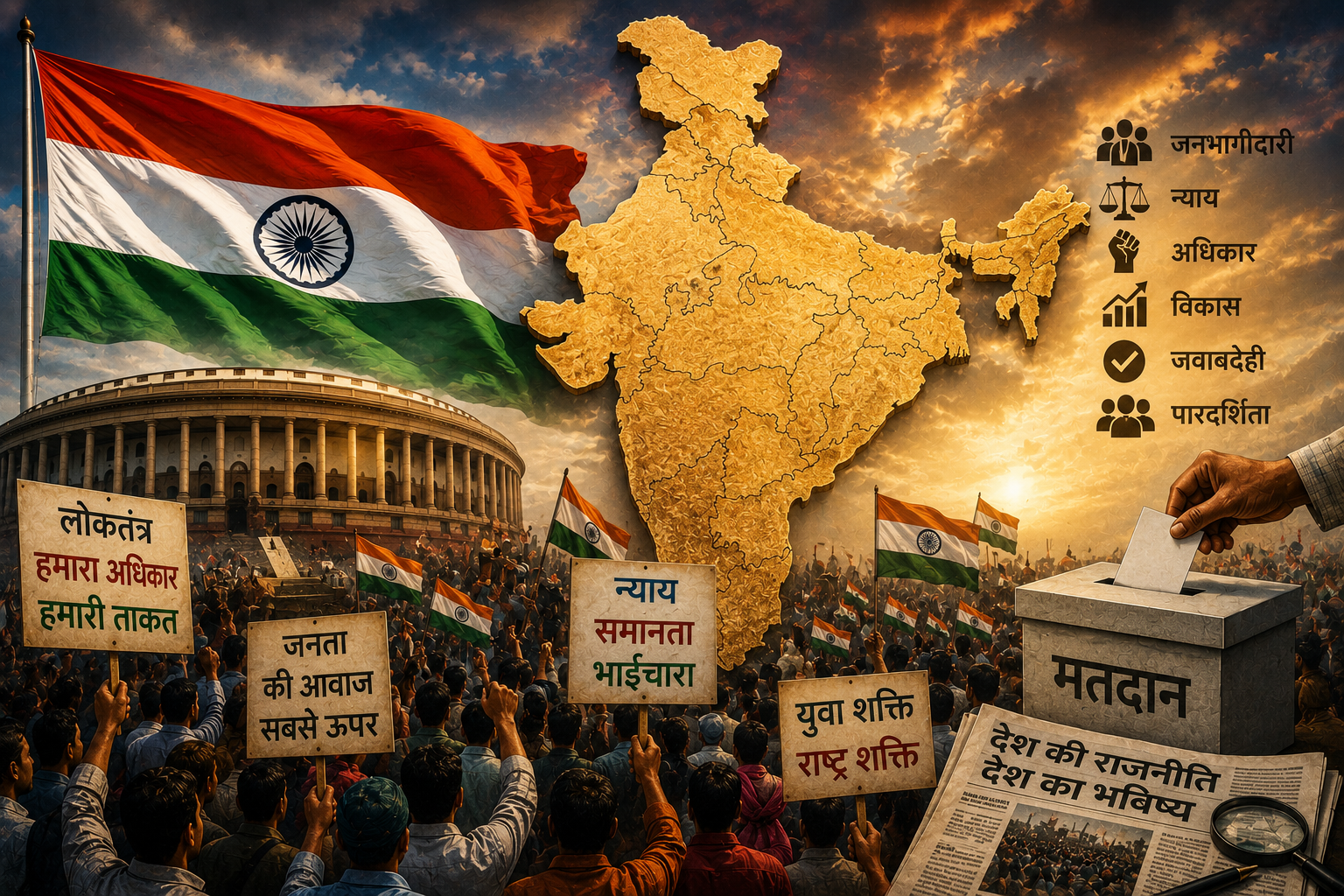
India's influential youth-led 'Cockroach Janta Party' successfully concluded its five-week, multi-city protests after securing the resignation of the Education Minister. This significant victory for student activism underscores growing government accountability and highlights widespread discontent over educational policies across the nation.
In-Depth Analysis
The 'Cockroach Janta Party' is not a political party in the conventional sense, but rather a powerful moniker adopted by a burgeoning youth-led movement in India. The name, often interpreted as ironic or a reclamation of a term previously used to dismiss their perceived insignificance, symbolizes their resilience and ability to persist despite being overlooked or underestimated. This five-week, multi-city protest, which culminated on Saturday, represented a formidable display of youth dissent against the existing educational framework and governmental practices.
The movement's primary grievances revolved around several pressing issues within India's vast and intricate education sector. While specific details of their demands beyond the minister's resignation were not immediately elaborated upon in initial reports, it is widely understood that concerns included alleged irregularities in national examinations, perceived systemic corruption within educational institutions, inadequate funding for public education, and a curriculum that many young people felt was outdated or failed to adequately prepare them for contemporary challenges. The protests successfully spread across major urban centers and smaller towns, mobilizing thousands of students, recent graduates, and concerned citizens who shared a collective vision for a more accountable and equitable education system.
The strategic and often decentralized nature of the 'Cockroach Janta Party' allowed the movement to maintain significant momentum over a prolonged period. Organizers adeptly leveraged social media platforms to coordinate demonstrations, share their grievances, and construct a cohesive narrative that resonated deeply with a generation frequently grappling with issues like unemployment, rising tuition fees, and an intensely competitive job market. Their tactics included peaceful marches, organized sit-ins, and impactful public awareness campaigns, all of which steadily amplified their message and garnered substantial media attention, creating immense pressure on the ruling administration.
The resignation of the Education Minister, whose name was not specified in the immediate reports, marks a monumental victory for this youth-led agitation. It signifies a rare and powerful instance where a grassroots movement, fueled by student power and widespread public outcry, directly achieved its central objective at the highest echelons of government. This outcome is expected to send significant ripples through the national political landscape, potentially establishing a new precedent for increased governmental accountability and responsiveness to youth demands. Critics of the government had long pointed to a palpable disconnect between policy-makers and the aspirations of young India, making this resignation a stark reminder of the profound power of organized public opinion.
Looking ahead, the remarkable success of the 'Cockroach Janta Party' could significantly galvanize other civil society movements and embolden youth activists to push for further reforms beyond the immediate ministerial change. While their primary immediate demand has been met, the underlying systemic issues within the education sector—ranging from pedagogical reforms and curriculum modernization to ensuring equitable access and improving overall quality—remain significant challenges that a new leadership will need to urgently address. Leaders of the movement have indicated that while the active street protests are currently paused, their vigilance regarding future policies and the appointment of the new Education Minister will continue unabated. This episode powerfully underscores a growing trend of youth engagement in political processes, moving beyond traditional voting patterns to direct action, demanding concrete results from their elected representatives. The 'cockroaches' have indeed won this significant battle, but the broader struggle for a truly reformed and inclusive education system in India likely continues.
How do you feel about this story?
Discussion
No comments yet. Be the first to share your thoughts.
Join the discussion
Sign in to share your thoughts on this story.