BNN Summary
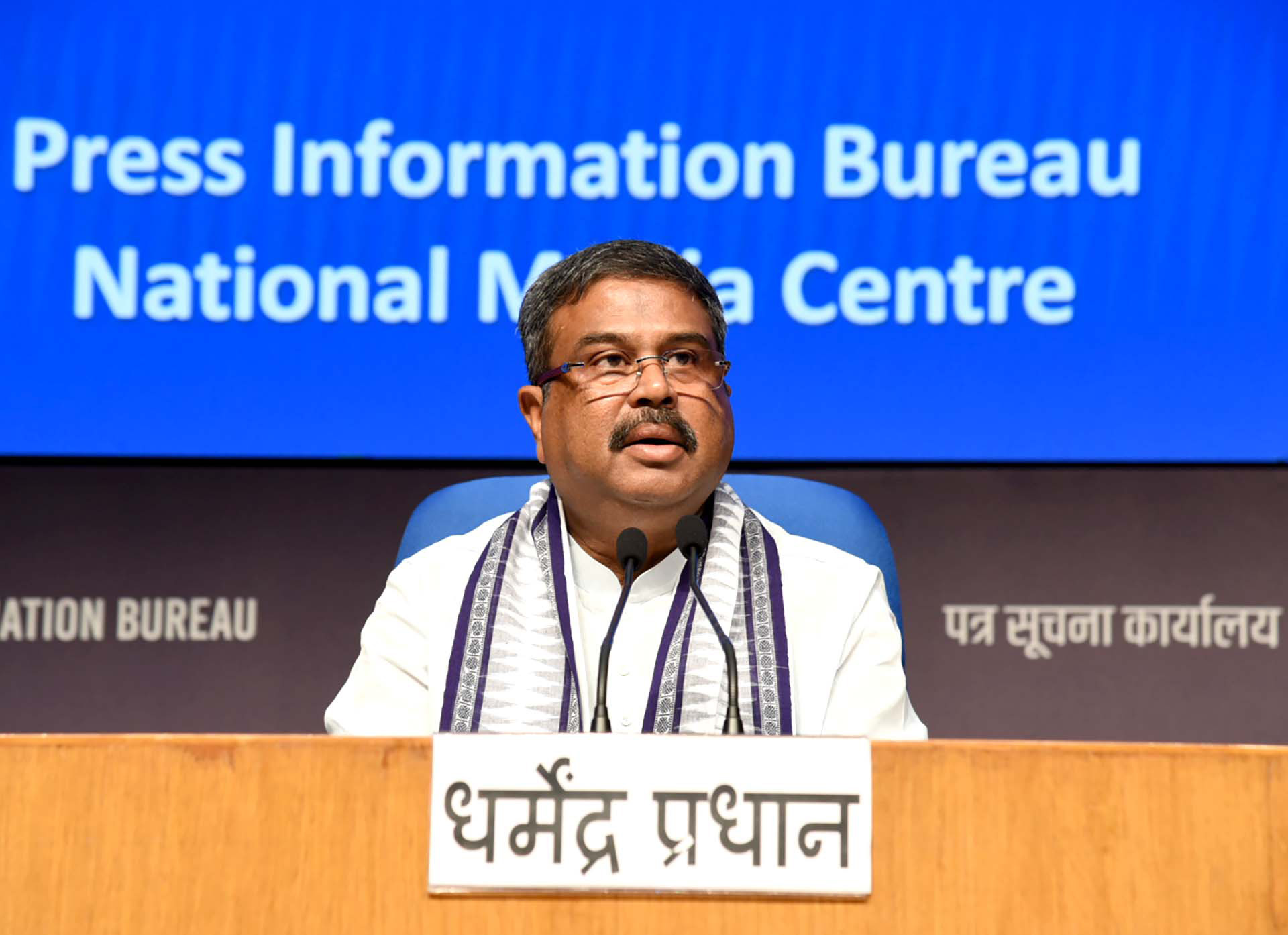
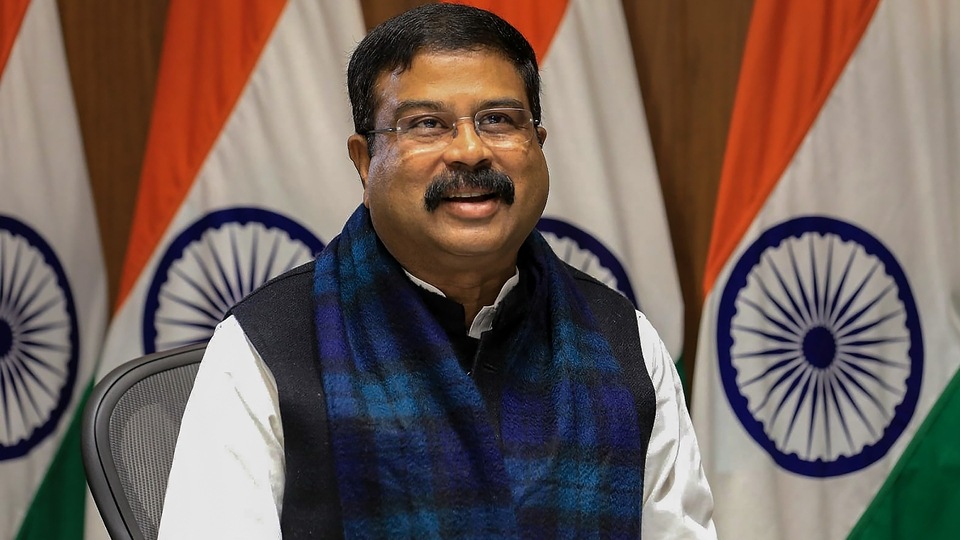
Senior BJP leader Kailash Vijayvargiya has revealed that former Union Education Minister Dharmendra Pradhan expressed a willingness to resign shortly after the NEET-UG examination controversy emerged, highlighting the internal tension within the ministry during the crisis.
In-Depth Analysis
In a significant revelation that has stirred political circles, senior Bharatiya Janata Party (BJP) leader Kailash Vijayvargiya claimed that former Union Education Minister Dharmendra Pradhan had offered to resign from his ministerial post as early as the first day of the widespread protests regarding the NEET-UG examination results. The controversy, which dominated national headlines for weeks, centered on allegations of paper leaks, irregularities in scoring, and concerns over the integrity of the National Testing Agency (NTA).
The Context of the Allegation
According to statements made by Vijayvargiya in Indore, the pressure mounting on the Ministry of Education following the NEET-UG fiasco was immense. The examination, which serves as the gateway for students seeking admission to medical colleges across India, faced severe scrutiny after students alleged that grace marks were unfairly awarded and that security protocols had been compromised. As the outcry grew, reaching a fever pitch with student demonstrations and legal challenges in the Supreme Court, the government found itself in a difficult position.
Vijayvargiya asserted that Pradhan, having assessed the gravity of the situation and the mounting frustration among students and parents, recognized the need for accountability. The senior BJP leader noted that Pradhan's willingness to step down was an indication of his readiness to accept responsibility for the administrative shortcomings under his watch. This claim suggests that the former minister was acutely aware of the 'mood of the youth' and the systemic failures that had damaged the credibility of the entrance examination process.
Accountability and Internal Dynamics
While the government eventually implemented several reforms, including the replacement of the NTA leadership, the revelation regarding a resignation offer adds a layer of complexity to the narrative of how the Union Cabinet managed the crisis. Observers of Indian politics often point out that ministers in such high-stakes portfolios rarely offer their resignations openly unless there is significant pressure or a clear signal of taking moral responsibility.
The NEET-UG controversy did not just result in administrative changes; it also reignited debates regarding the centralization of examination processes. Critics argued that the NTA was overwhelmed by the volume of candidates and the lack of robust security measures. By suggesting that Pradhan was ready to quit, Vijayvargiya seems to be framing the former minister as a leader who prioritized public sentiment and institutional integrity over personal political survival.
Looking Forward
As the dust settles on the NEET examination row, the focus has shifted toward the implementation of more stringent measures for future academic years. The Ministry of Education is currently engaged in overhauling the NTA to prevent a recurrence of these issues. Pradhan, who played a central role in managing these challenges, has remained a prominent figure within the BJP, even as questions regarding his tenure at the helm of the education ministry continue to be discussed in public forums.
This incident highlights the delicate balance between maintaining administrative continuity and addressing public outrage in a democracy. Whether this 'day one' resignation offer was a formal gesture or an informal expression of frustration remains a subject of debate, yet it remains a crucial footnote in the recent history of India's education policy administration.
How do you feel about this story?
Discussion
No comments yet. Be the first to share your thoughts.
Join the discussion
Sign in to share your thoughts on this story.