BNN Summary
Following recent political discourse in Meghalaya and Manipur, observers are calling for a fundamental shift in how candidates are selected for Parliament. The debate centers on the necessity of meritocracy, integrity, and the replacement of hereditary or legacy-based politics with candidates who possess the vision to drive meaningful national development.
In-Depth Analysis
The contemporary political landscape in India is currently undergoing a period of intense reflection regarding the quality of its parliamentary representation. Recent sentiments expressed by public figures and commentators, such as the observations made regarding the National People's Party (NPP) in the North East, have reignited a broader conversation about who exactly holds the mantle of leadership in our democratic institutions. As Chief Minister Conrad Sangma focuses on expanding the electoral reach of his party, critics and analysts alike are simultaneously asking: are we electing the best candidates, or are we merely recycling established dynasties?
The Erosion of Meritocracy
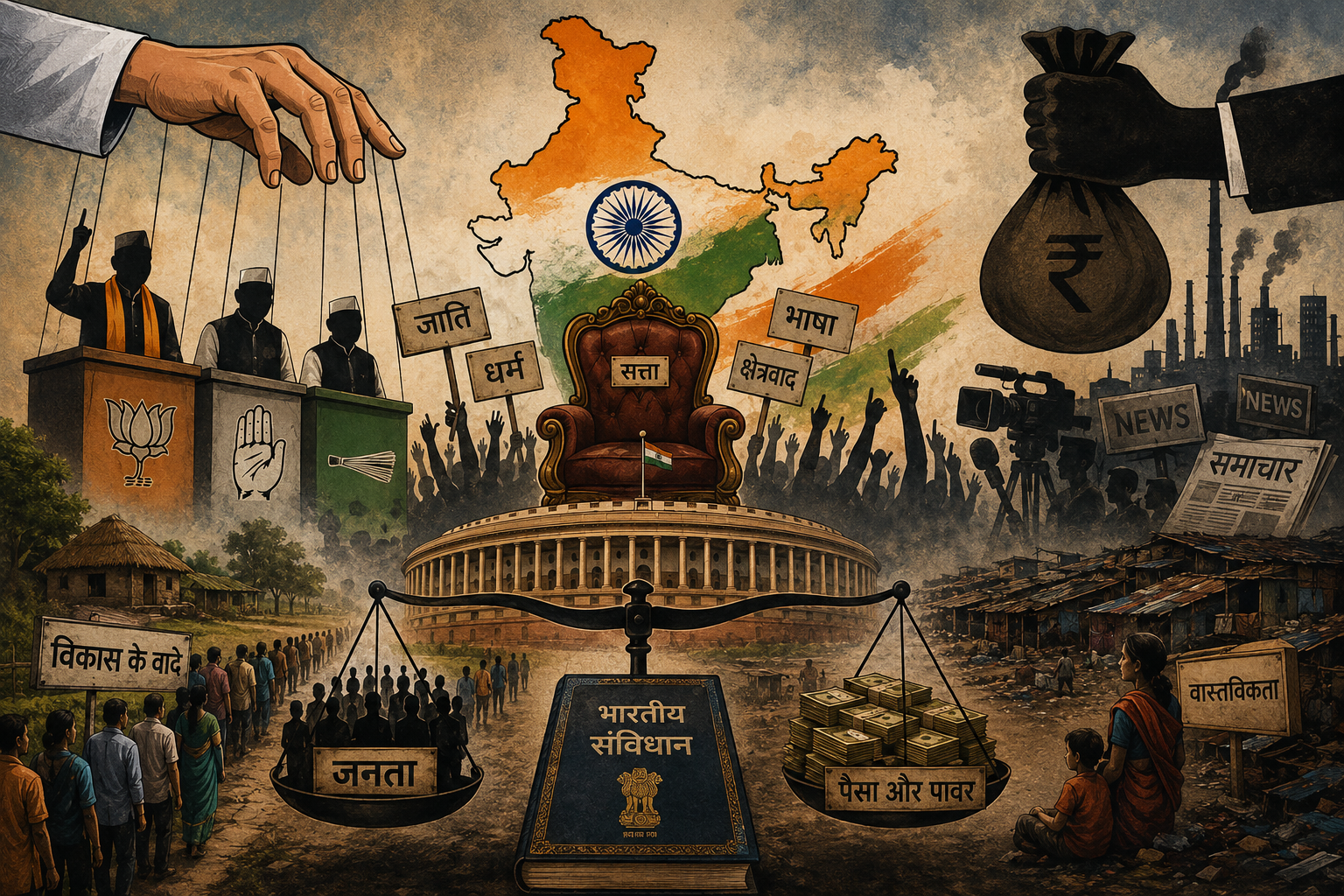
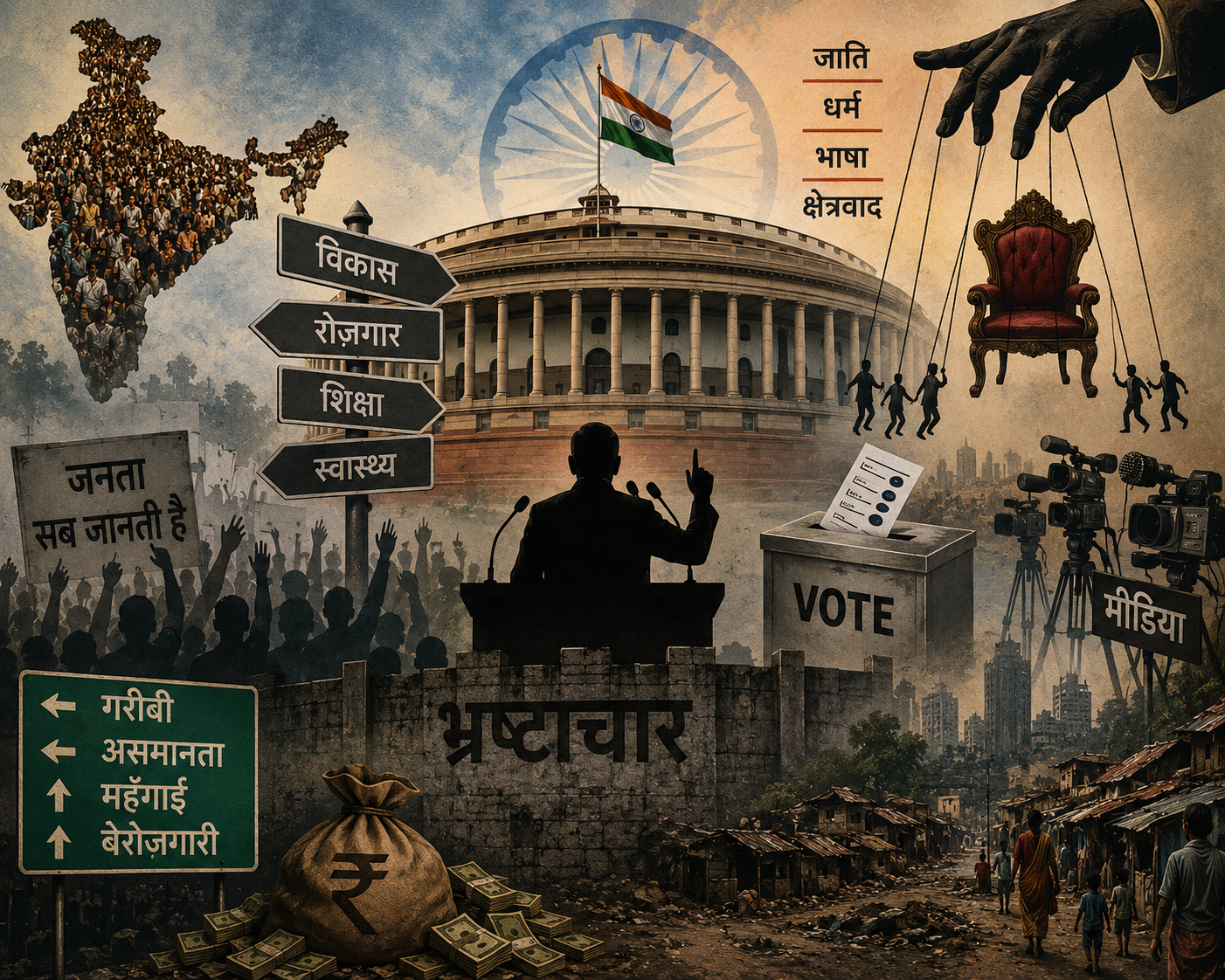
The central thesis of this discourse is that Parliament should be the domain of the 'more worthy'. For too long, the legislative process has been dominated by individuals whose primary qualification is either family legacy or deep-pocketed resource availability, rather than a proven track record of service, intellectual rigor, or policy expertise. In many constituencies, voters find themselves choosing between candidates who represent entrenched interests rather than those who represent the future of the nation.
Beyond Dynastic Politics
Critics argue that political parties often prioritize loyalty and hereditary continuity over the cultivation of new, highly capable leadership. This stagnation is particularly visible in smaller states where the political class remains stagnant for decades. By limiting the pool of candidates to the inner circles of established power brokers, the democratic process loses its most essential feature: the ability to reflect the evolving needs of the populace. A legislature populated by individuals without a genuine connection to ground-level struggles is unlikely to craft the innovative solutions required for modern governance.
Requirements for the 'Worthy'
What defines a 'worthy' parliamentarian in the 21st century? The criteria must evolve to meet the complexity of the global age:
- Intellectual Competence: The ability to understand complex legislative frameworks, fiscal policy, and international relations is no longer optional.
- Ethical Integrity: A commitment to transparency that goes beyond the requirements of law.
- Community Connection: A demonstrable history of grassroots engagement that is not limited to election cycles.
- Visionary Leadership: The capacity to look beyond immediate constituency perks to address long-term systemic issues like climate change, economic volatility, and educational reform.
The Role of the Electorate
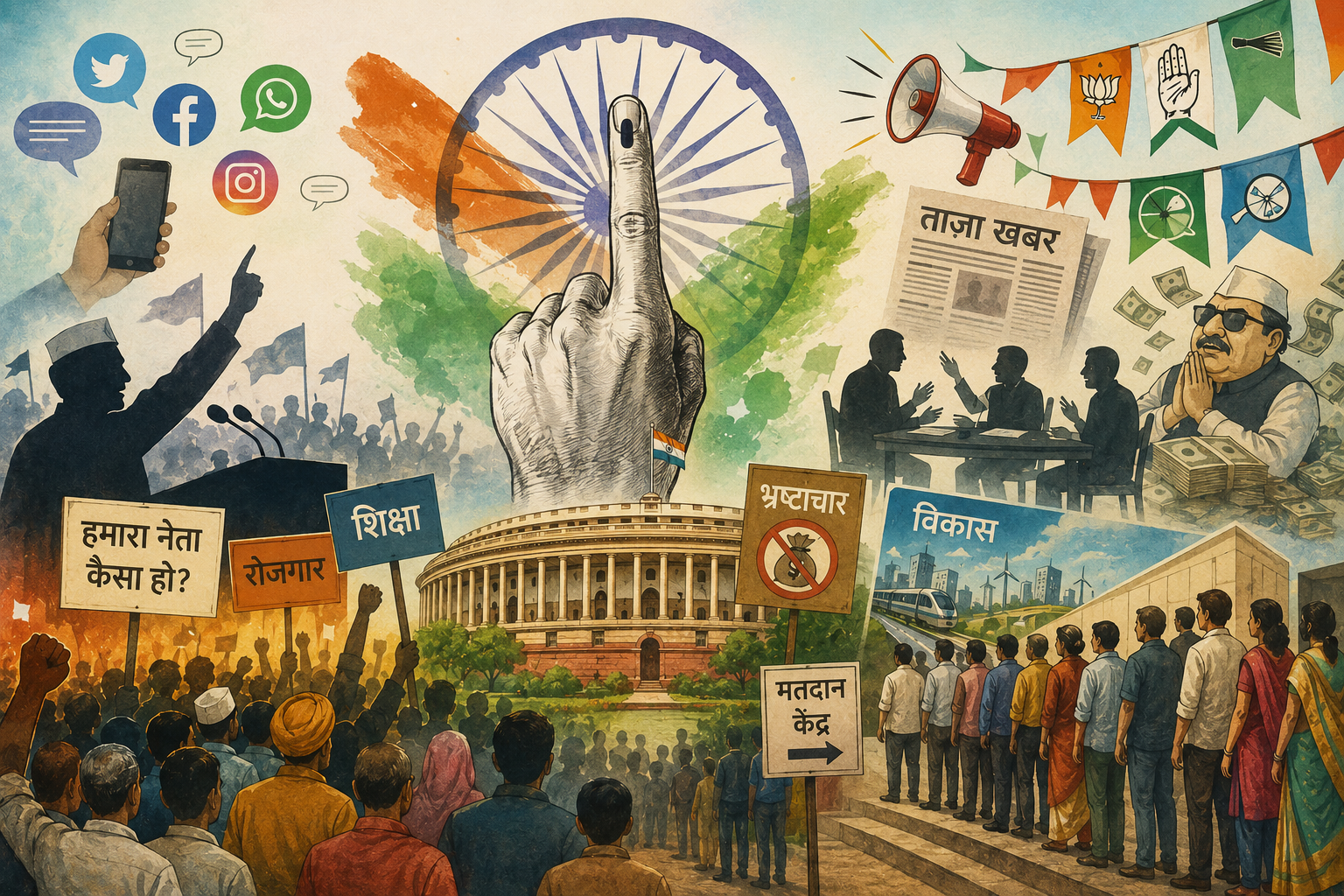
While political parties are the gatekeepers, the ultimate responsibility rests with the voter. The narrative that 'nothing will change' serves only to empower the status quo. If voters continue to prioritize caste, community, or minor financial inducements over the long-term merit of a candidate, the cycle of mediocrity will persist. The demand to 'give Parliament to the more worthy' is not just a plea to political parties to change their selection criteria; it is a call to action for every citizen to raise the bar for those they cast their ballots for.
In conclusion, as parties like the NPP aim to strengthen their positions, they face a public that is increasingly impatient with the lack of progress. The political machines that succeed in the coming decade will be those that adapt to this demand for excellence, opening their doors to candidates who bring fresh ideas and genuine merit to the table. Anything less will be a disservice to the democratic foundations of the nation.
How do you feel about this story?
Discussion
No comments yet. Be the first to share your thoughts.
Join the discussion
Sign in to share your thoughts on this story.