BNN Summary
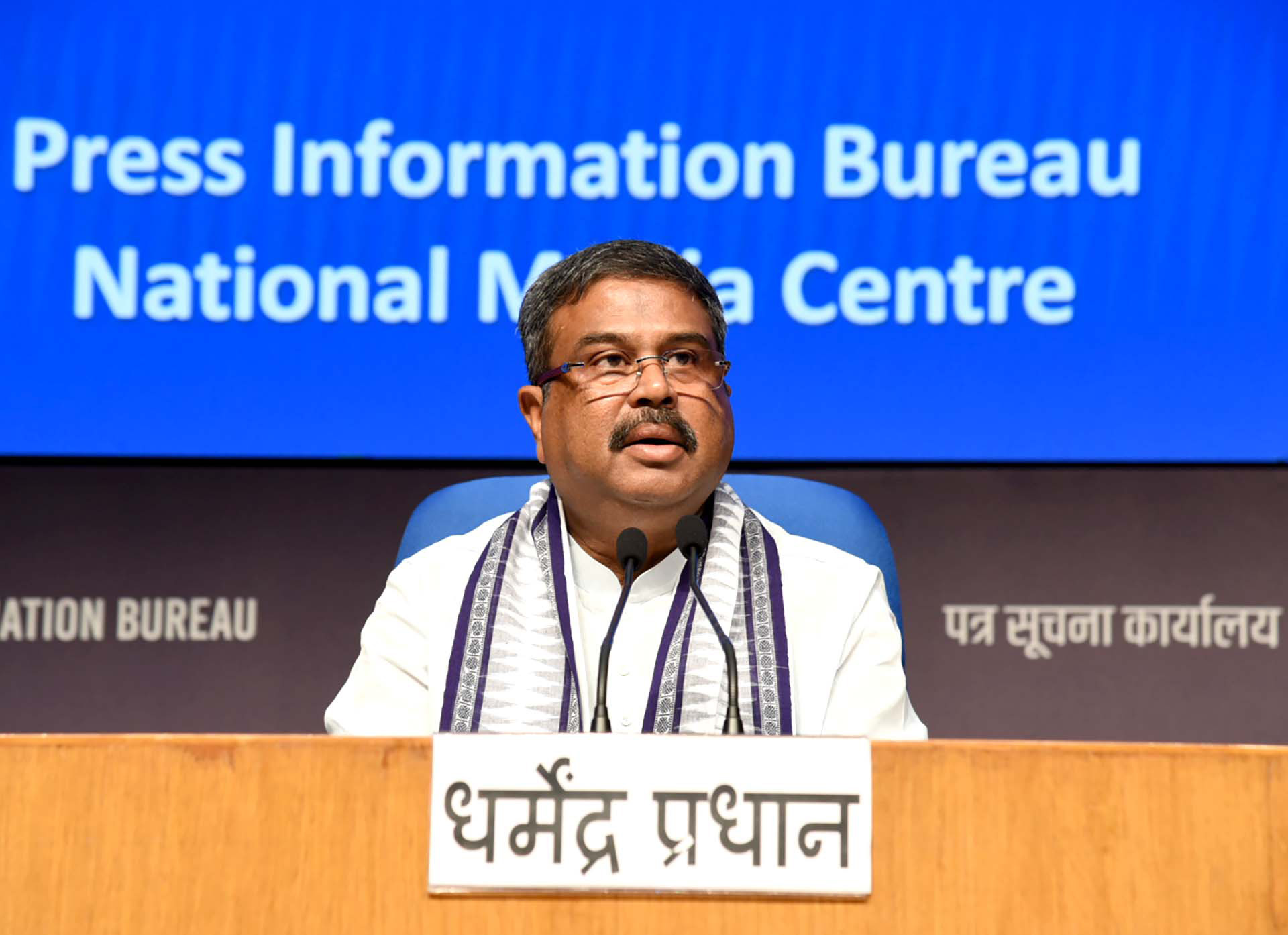
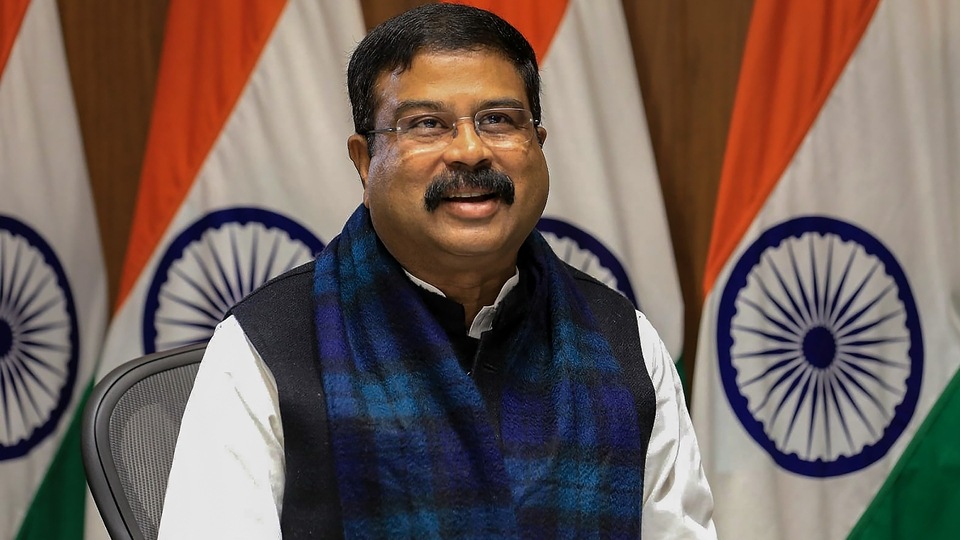
Union Minister Prahlad Joshi has officially assumed the role of Minister of Education. As he steps into this critical position, he faces a growing list of demands from students and stakeholders, including calls for greater examination transparency, improved infrastructure in government schools, and initiatives to make higher education more affordable across the country.
In-Depth Analysis
In a significant cabinet reshuffle, Prahlad Joshi has taken charge as the new Union Minister of Education, marking a pivotal moment for the Indian academic landscape. The veteran politician, who previously held key ministerial roles, now inherits the responsibility of steering the country's vast educational apparatus. His appointment comes at a time when the student community is vocalizing urgent demands for reform, specifically focusing on the integrity of competitive examinations and the accessibility of quality learning environments.
The Mandate Ahead
As Prahlad Joshi transitions into his new office, the primary challenge awaiting him is the restoration of faith in public examination systems. Recent years have seen a surge in student protests and public discourse regarding irregularities, paper leaks, and delays in government recruitment and entrance tests. Education activists and student organizations have explicitly urged the new minister to prioritize transparency as a cornerstone of his tenure. The expectation is for a revamped administrative framework that ensures zero tolerance for malpractice and introduces digital-first monitoring solutions to safeguard the future of millions of candidates.
Strengthening the Foundation: Government Schools
Beyond exam reforms, there is a mounting pressure on the ministry to overhaul the state of government-run educational institutions. While private education has flourished, the divide in infrastructure, teacher quality, and technological integration remains a stark reality in rural and semi-urban India. Observers note that Joshi will need to focus on:
- Enhancing digital classroom infrastructure to bridge the urban-rural divide.
- Streamlining teacher recruitment and training programs to ensure accountability.
- Implementing sustainable funding models to keep school supplies and vocational training materials updated.
Financial Accessibility and Inclusivity
Affordability remains a critical concern. With the cost of professional degrees reaching new heights, the student body is advocating for increased subsidies and more robust scholarship schemes. Critics of the current system argue that merit should not be sidelined by financial status, and they hope the new minister will introduce policies that protect students from the burden of high tuition fees in both public and private higher education institutions.
Political Transition
Joshi replaces the outgoing minister, whose tenure was marked by the rollout of the National Education Policy (NEP). A key part of the new minister's strategy will be to ensure the seamless implementation of this policy while course-correcting based on ground-level feedback. During his initial interactions after taking charge, Joshi expressed his commitment to fulfilling his responsibilities with diligence, acknowledging the importance of education in driving India towards its vision of a developed nation. His administrative experience in parliamentary affairs is expected to assist him in navigating the complex legislative processes required to push through any necessary educational reforms.
As the academic year progresses, all eyes will be on the ministry to see if Joshi can bridge the gap between policy intent and ground-level execution, ensuring that the Indian education system becomes both globally competitive and domestically equitable.
How do you feel about this story?
Discussion
No comments yet. Be the first to share your thoughts.
Join the discussion
Sign in to share your thoughts on this story.