BNN Summary
The Indian National Congress continues to maintain a strategic distance from the emerging Cockroach Janta Party. Analysts suggest this caution is rooted in deep-seated concerns regarding electoral vote-bank overlap, ideological dilution, and long-term political stability within the broader opposition coalition.
In-Depth Analysis
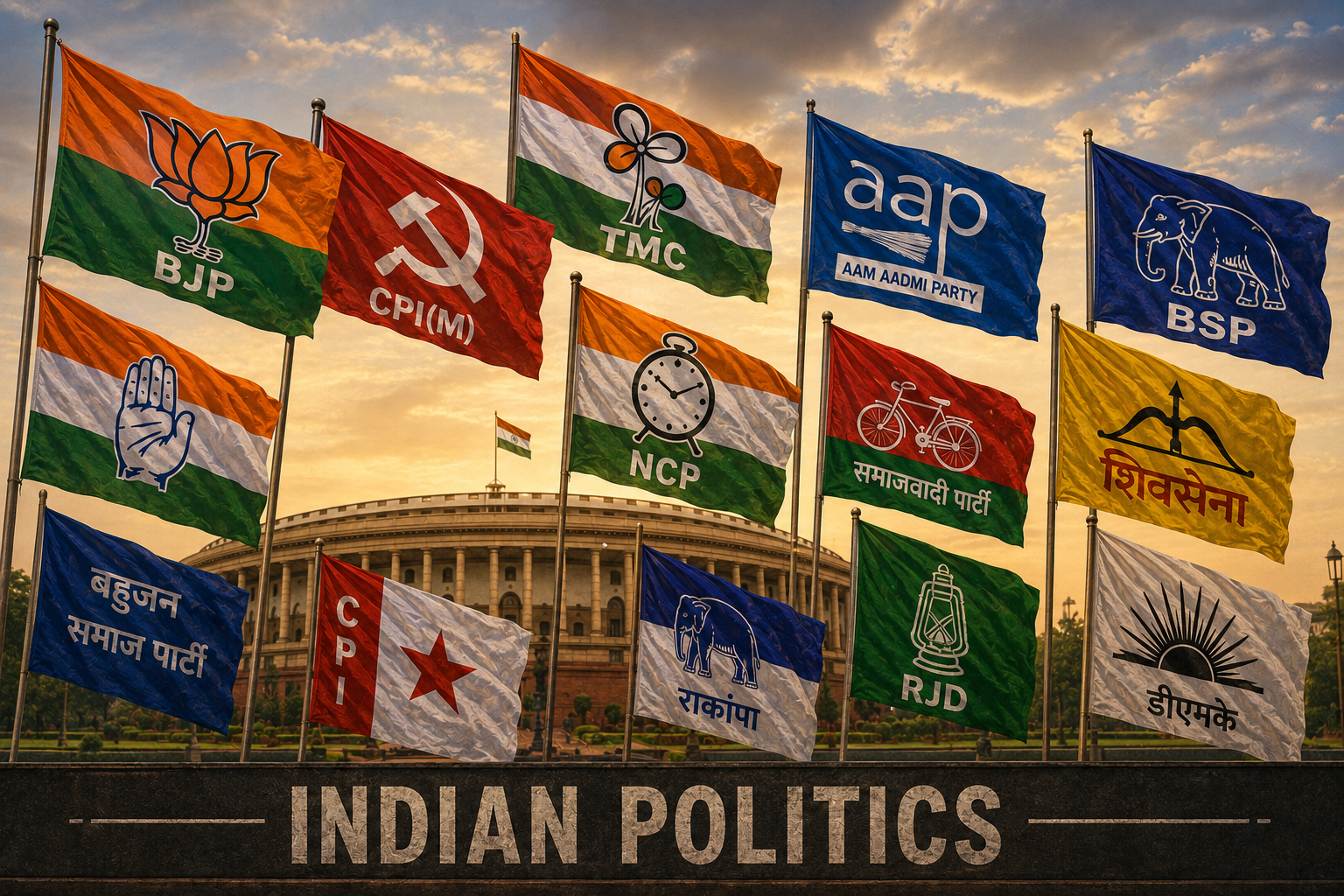
The Indian National Congress (INC) remains the most prominent political entity yet to extend formal support or an invitation for an alliance to the Cockroach Janta Party (CJP). As the political landscape in India becomes increasingly fragmented, the Congress party has adopted a 'wait and watch' approach that has sparked intense debate among political observers and grassroots workers alike.
Strategic Electoral Overlap
At the core of the Congress party's hesitation is the fear of vote-bank cannibalization. Historical data from similar regional movements suggests that when new, hyper-local parties emerge, they often draw support from the traditional voter base of established parties rather than eroding the support of ruling incumbents. The Congress leadership is wary that aligning with the CJP could inadvertently legitimize a platform that competes directly for the same demographics, particularly among youth and disillusioned urban voters.
Ideological Divergence
While the CJP claims to represent a fresh alternative to the status quo, its policy positions are often perceived as populist and lacking in the administrative depth that the Congress party traditionally prides itself on. Senior leaders within the Congress have expressed private concerns that the CJP's rhetoric—characterized by aggressive anti-establishment slogans—might alienate the moderate, centrist voters that the Congress has been working hard to recapture in recent election cycles. Integrating a party with such a volatile ideological profile poses a significant risk to the Congress party's brand identity, which is currently undergoing a process of consolidation.
The Challenge of Coalition Management
Building an opposition alliance is a logistical and political tightrope walk. The Congress party already manages a complex web of interests within the INDIA bloc. Adding the Cockroach Janta Party to this mix introduces an unpredictable variable. Party strategists fear that the CJP might act as a 'spoiler' during seat-sharing negotiations. Given the limited number of winnable constituencies, the Congress is reluctant to concede any electoral ground to a newcomer that has not yet proven its capability to convert social media presence into actual ballot box performance.
Concerns Over Political Longevity
There is also a pervasive skepticism regarding the sustainability of the Cockroach Janta Party. Many within the Congress inner circle view the current surge of the CJP as a transient phenomenon driven by specific grievances rather than a foundational shift in public policy. Consequently, the leadership is unwilling to spend political capital on endorsing a movement that may dissolve as quickly as it materialized. By maintaining distance, the Congress preserves its autonomy and avoids being tethered to a potential political failure.
Ultimately, the reluctance of the Congress party is a calculated move to prioritize organizational survival and electoral stability. In the high-stakes theater of Indian politics, the Congress appears to be betting that its legacy and grassroots infrastructure are more valuable assets than the fleeting momentum of new-age political start-ups. Whether this gamble will pay off in the upcoming general elections remains a subject of intense speculation across the national capital.
How do you feel about this story?
Discussion
No comments yet. Be the first to share your thoughts.
Join the discussion
Sign in to share your thoughts on this story.