Image: Wikipedia
BNN Summary
As Goa approaches its 2027 assembly elections, the state political landscape faces a pivotal moment. With the ruling Bharatiya Janata Party firmly entrenched, opposition parties are struggling to unify and present a cohesive alternative to the electorate, raising questions about the future of Goan governance.
In-Depth Analysis
As the electoral calendar inches toward the 2027 Goa Legislative Assembly elections, the state finds itself in the midst of a complex political introspection. For the ruling Bharatiya Janata Party (BJP), the challenge remains maintaining its dominant foothold, while for the fractured opposition, the primary dilemma is far more existential: can they consolidate enough political capital to provide a credible alternative?
The Current Political Landscape
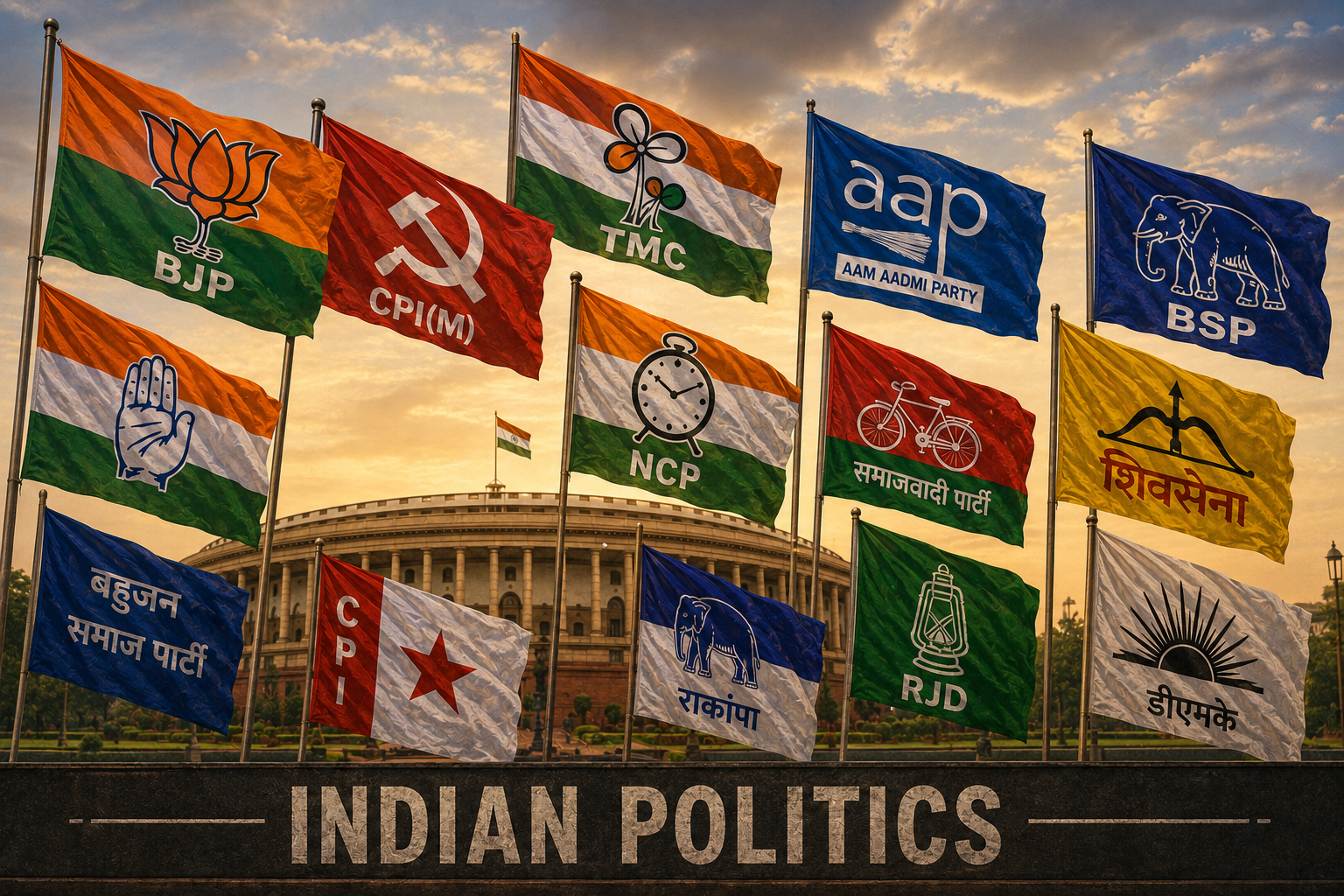
For nearly a decade, the BJP has successfully navigated Goa's unique political terrain, often through strategic alliances and the absorption of smaller regional entities. This dominance has left the opposition, primarily the Congress party and various regional outfits like the Goa Forward Party (GFP) and the Aam Aadmi Party (AAP), fighting for space. The historical propensity for 'defections' and party-switching among legislators has significantly weakened voter trust in the stability of the opposition camps.
Challenges for the Opposition
-
Lack of a Unified Front: Unlike historical precedents where opposition coalitions proved effective, the current landscape is fragmented. Personality clashes and divergent ideologies have prevented the formation of a 'Grand Alliance' that could effectively counter the BJP's organizational machinery.
-
The Defection Crisis: The constant threat of members switching sides to the treasury benches has eroded the perceived value of an opposition vote. When candidates frequently jump ship shortly after being elected, the electorate becomes disillusioned, often viewing opposition manifestos as temporary political theater rather than long-term governance blueprints.
-
Demographic and Environmental Concerns: Goa faces acute pressure regarding infrastructure, tourism, and environmental preservation. The opposition has attempted to leverage issues surrounding the 'Mollem' forest clearance and the conversion of land for large-scale infrastructure projects. However, effectively translating these niche urban concerns into a mass movement that resonates with rural voters remains a significant hurdle.
The BJP Strategy
The BJP continues to focus on its 'double engine' narrative, highlighting the integration of state development projects with central funding. By leveraging high-profile infrastructure initiatives and managing the state's post-pandemic tourism recovery, the government maintains a narrative of stability and progress. Even as anti-incumbency sentiments bubble beneath the surface regarding the cost of living and local employment, the BJP's ability to micro-manage booths and utilize digital campaigning provides it with a formidable defensive posture.
Is Change Possible?
The central question for 2026 and beyond is whether the opposition can move beyond reactionary politics. A successful challenge to the status quo would require more than just criticizing government policies; it requires the articulation of a distinct, sustainable vision for Goa that balances its identity as a global tourist destination with the cultural preservation of its local communities. Without a clear leader who can command respect across the political aisle, the opposition remains trapped in a cycle of marginalization. As the months turn into years, all eyes are on whether new, younger faces will emerge to revitalize the discourse, or if the status quo will remain the defining feature of Goan politics into the next decade.
How do you feel about this story?
Discussion
No comments yet. Be the first to share your thoughts.
Join the discussion
Sign in to share your thoughts on this story.