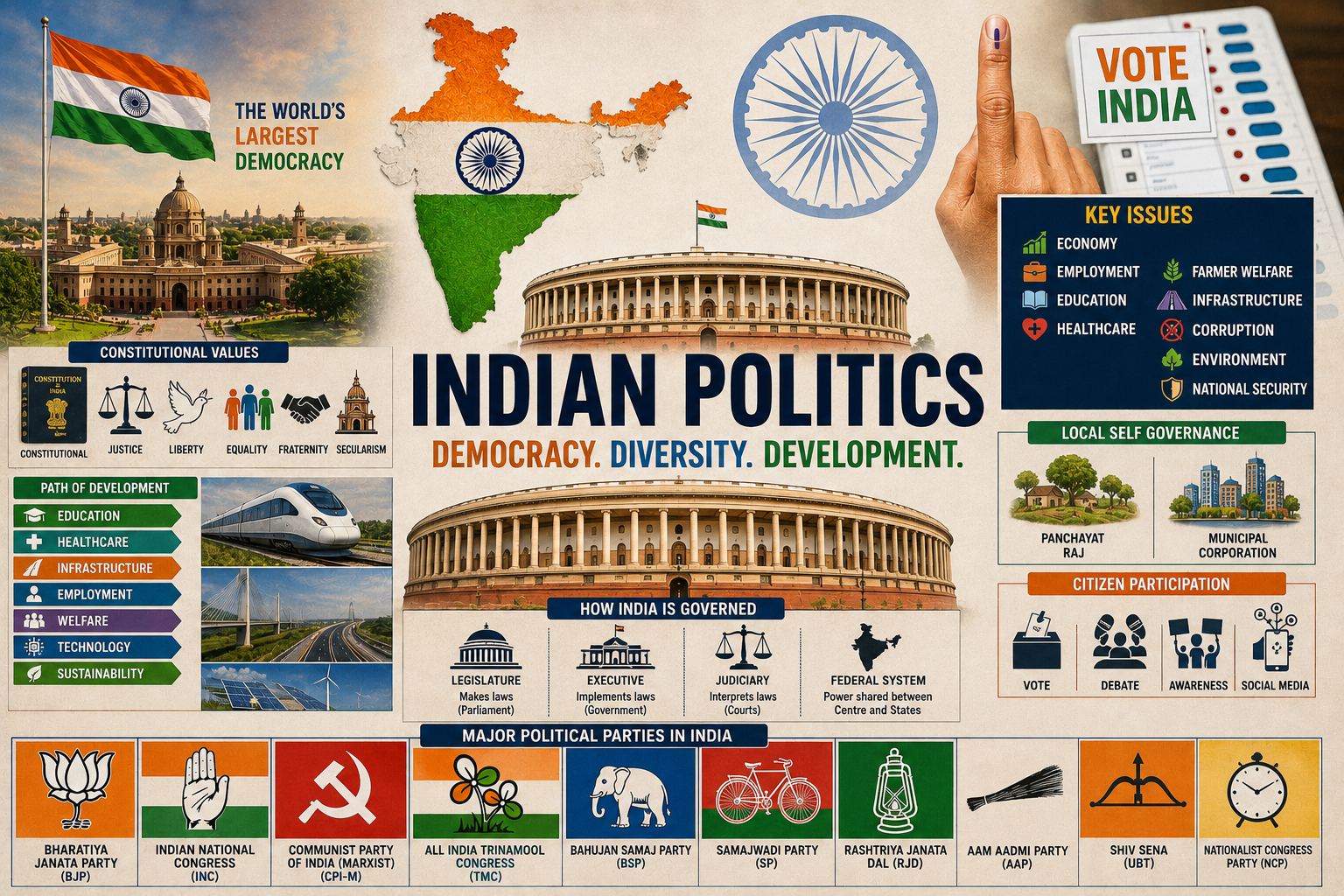
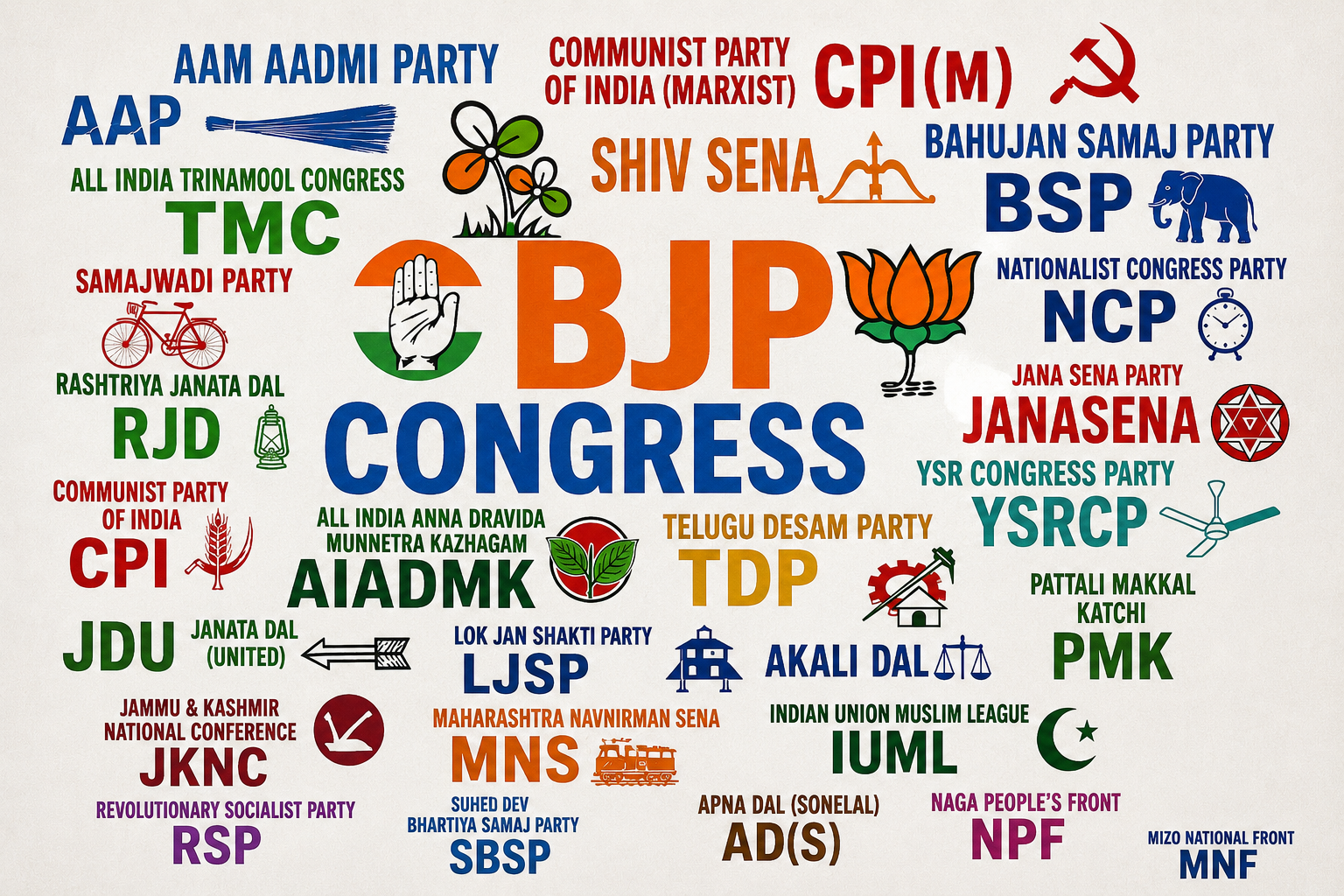
Image: Wikipedia
BNN Summary
Recent allegations of financial irregularities against the Ram Mandir Trust have sparked a significant political debate. The controversy challenges the Bharatiya Janata Party's core narrative of uncompromising incorruptibility and devotion, potentially shifting the discourse on governance and accountability in India's political landscape.
In-Depth Analysis
The controversy surrounding the Shri Ram Janmabhoomi Teerth Kshetra Trust has placed the Bharatiya Janata Party (BJP) in a defensive position that transcends mere administrative scrutiny. At stake is not just the financial integrity of a temple construction project, but the very moral architecture of the party's 'Hindutva' politics. For years, the BJP has successfully positioned itself as the sole custodian of cultural nationalism, framing the construction of the Ram Mandir in Ayodhya as a sacred civilizational mission rather than a mere infrastructure project.
The Anatomy of the Allegations
Recent allegations, primarily centered on land deals surrounding the temple complex, have suggested inflated land prices and irregularities in transactions. Critics and opposition leaders have pointed to the striking discrepancy between the purchase prices and the market values at the time of acquisition. When these allegations surfaced, they triggered an immediate political firestorm. The opposition has been quick to contrast the government's response to these specific charges with the aggressive investigatory posture the Enforcement Directorate (ED) and the Central Bureau of Investigation (CBI) typically adopt in states governed by opposition parties. The argument being leveled is that a 'double standard' exists, where scrutiny is applied selectively based on political allegiance.
Impact on BJP’s Moral Narrative
For the BJP, the Ram Mandir is not just a building; it is a symbol of faith for millions. The party has carefully cultivated an image of 'zero tolerance' for corruption. When an institution as sensitive as the Ram Mandir Trust faces questions regarding financial transparency, it strikes at the core of the party's ideological authority. The trust was established by the central government following a landmark Supreme Court judgment, and its members include individuals closely associated with the Sangh Parivar. Therefore, any perceived failure in oversight reflects directly on the party's high command.
The Shift in Political Discourse
This episode has forced a re-evaluation of the BJP's 'clean image' brand. By utilizing agencies like the ED under the Prevention of Money Laundering Act (PMLA) in non-BJP states, the central government has set a high bar for accountability. However, when the same yardstick is not applied—or even mentioned—in the context of the Trust, it provides ammunition to political rivals who argue that the anti-corruption drive is politically weaponized.
Furthermore, the discourse has moved beyond the legalities of land transactions. It is now about whether the political project of Hindutva can sustain its moral weight if it becomes entangled in the mundane, transactional realities of real estate and financial management. For the common voter, the juxtaposition of a 'divine' project with reports of alleged profiteering creates a cognitive dissonance that the BJP leadership must address to maintain its electoral mandate.
As the debate continues, the party faces a dual challenge: ensuring a transparent audit of the Trust's finances to quell public doubt, while simultaneously shielding its image from the perception that it applies different rules to its own associates. The outcome of this scrutiny will likely shape the narrative of trust and governance in the upcoming election cycles, testing whether the party's ideological base remains unmoved by administrative controversies.
How do you feel about this story?
Discussion
No comments yet. Be the first to share your thoughts.
Join the discussion
Sign in to share your thoughts on this story.