BNN Summary
Samajwadi Party leader Akhilesh Yadav has launched a scathing critique of the Bharatiya Janata Party, asserting that the party's influence through religious polarization and financial manipulation has reached its terminal point. Yadav highlighted issues ranging from the Ayodhya Ram Temple controversy to national fuel pricing policies to illustrate what he calls a systemic failure in governance.
In-Depth Analysis
Samajwadi Party President Akhilesh Yadav has escalated his confrontation with the Bharatiya Janata Party (BJP), claiming that the saffron party is witnessing the exhaustion of its two primary political weapons: religious polarization and financial control. Speaking to the press, Yadav asserted that the narrative surrounding the Ram Temple has backfired, signaling that the public is no longer swayed by identity politics as they once were.
The Ram Temple Controversy
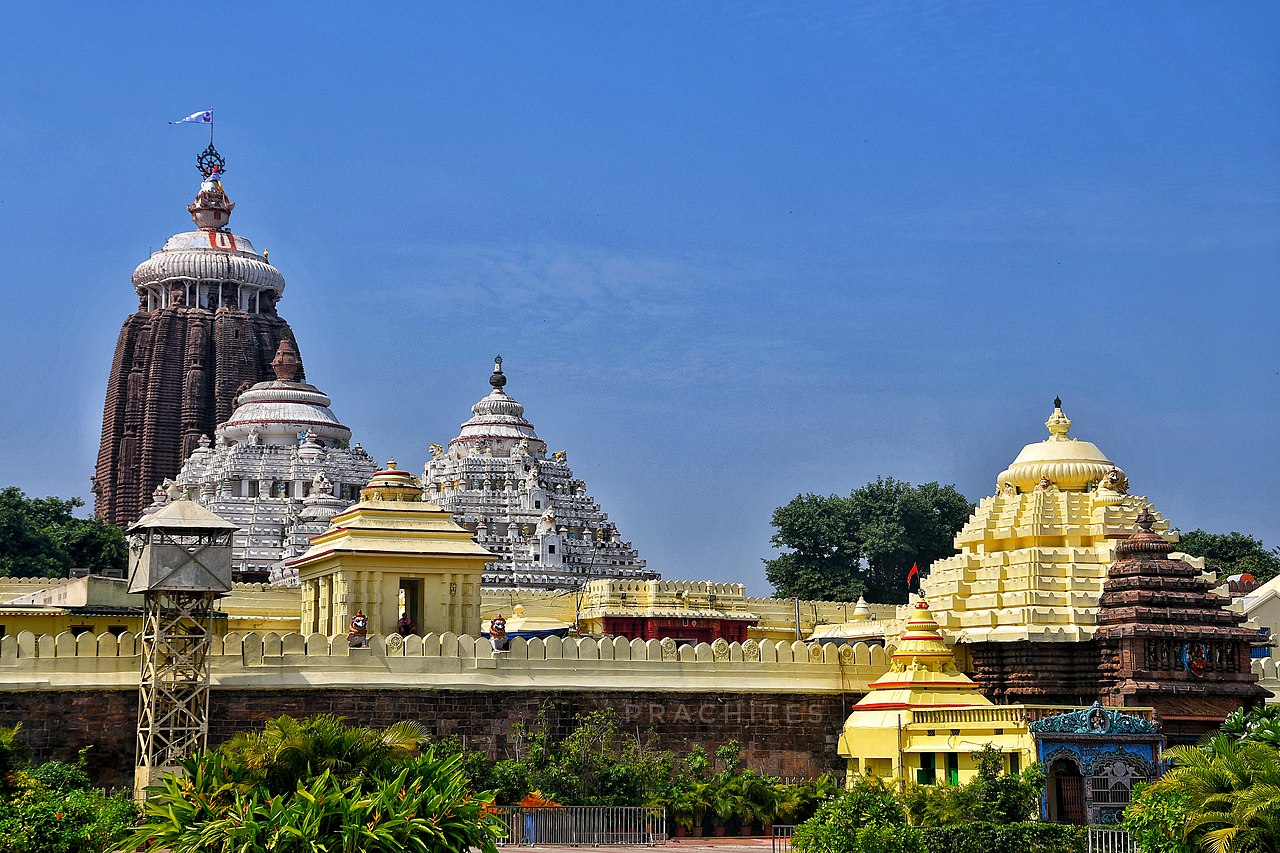
Yadav pointed to the ongoing controversies surrounding the management and financial integrity of the Ram Temple project in Ayodhya. He alleged that the temple site has been mired in instances of 'theft' and financial mismanagement, which has disillusioned the electorate. According to the former Uttar Pradesh Chief Minister, the BJP utilized the temple as a central pillar of their political campaign, but the lack of transparency and reported irregularities have tarnished the party's image. He suggested that the voters are shifting their focus toward tangible developmental issues rather than emotive religious agendas that have failed to improve their quality of life.
Economic Discontent and Fuel Prices
Beyond religious politics, Yadav launched a sharp attack on the Union government's management of the economy, specifically regarding fuel pricing. He accused the BJP of deliberately withholding the benefits of falling global crude oil prices from the common citizen. Instead, he claimed, the government is facilitating 'windfall gains' for major oil corporations, thereby exacerbating the economic burden on households already struggling with inflation.
'The BJP is not cutting fuel prices despite a significant decline in international crude oil costs,' Yadav stated. 'This is a clear indicator that the party is no longer interested in the welfare of the poor but is instead focusing entirely on the interests of private oil companies.' This accusation is part of a broader narrative that the SP chief is building to frame the BJP as a party that prioritizes corporate entities over the agricultural and working-class segments of India.
Governance and Tree Plantation Drives
In addition to economic and religious critiques, Yadav also targeted the Uttar Pradesh state government's recent initiatives, including its large-scale tree plantation drives. He dismissed these efforts as superficial maneuvers designed to distract from the state's crumbling infrastructure and lack of employment opportunities. Yadav claimed that such 'green initiatives' lack substance and are often disconnected from the ground realities of rural development and sustainable land management.
Implications for Future Elections
Political analysts suggest that Yadav's multi-pronged attack is a strategic attempt to reclaim the electoral narrative before the upcoming state and national cycles. By linking the perceived failure of 'politics of religion' with the 'politics of money,' Yadav is attempting to build a coalition based on economic survival. The SP leader's strategy appears to be rooted in the belief that the electorate is now prioritizing 'bread and butter' concerns over the polarizing ideological debates that have dominated the national discourse for years. Whether this shift in rhetoric will translate into ballot box success remains to be seen, but it marks a decisive turn in the opposition's approach to dismantling the BJP's dominance in the Hindi heartland.
How do you feel about this story?
Discussion
No comments yet. Be the first to share your thoughts.
Join the discussion
Sign in to share your thoughts on this story.