BNN Summary
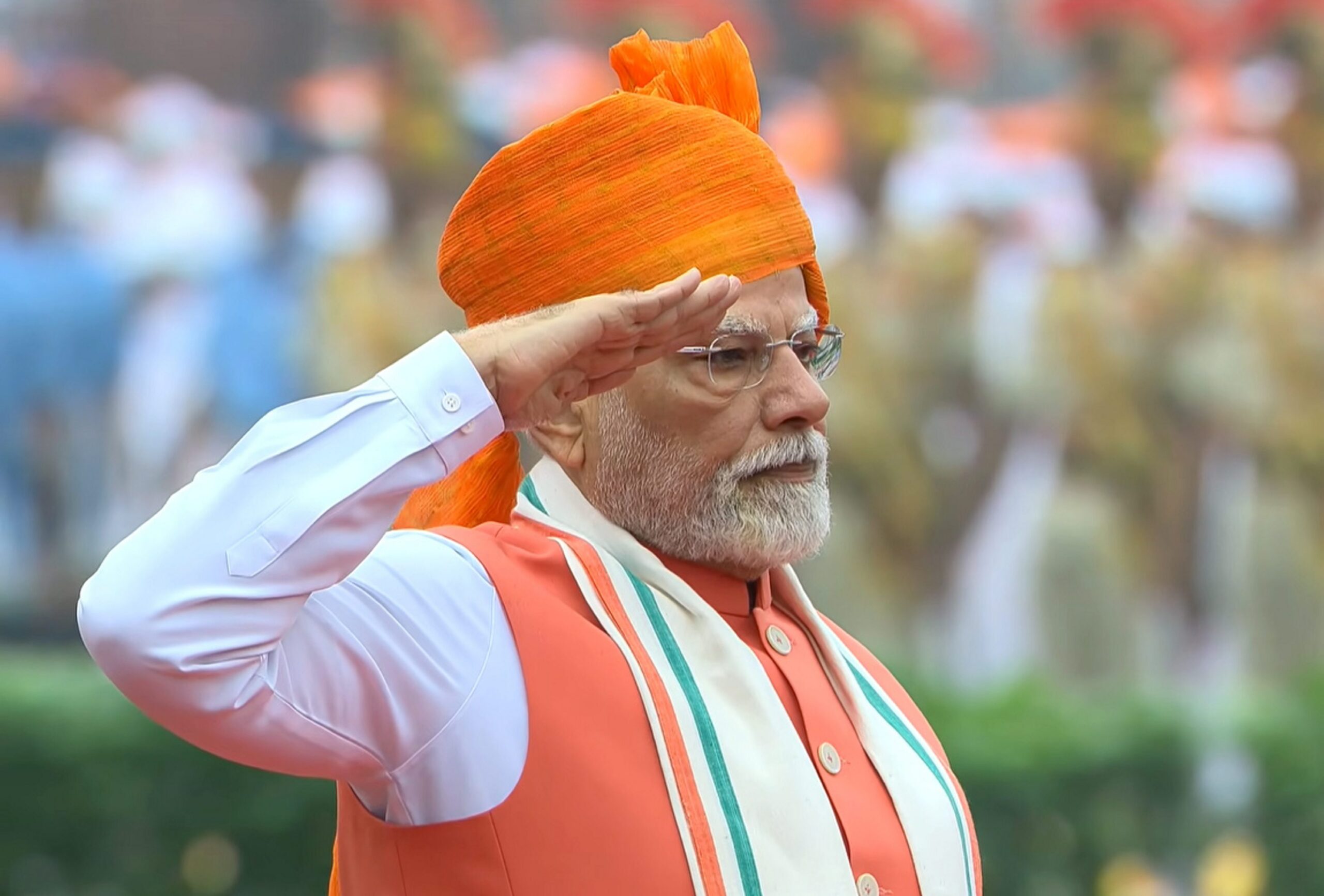
Prime Minister Narendra Modi arrives in Australia for a high-profile visit, balancing immense support from the Indian diaspora with pointed protests regarding human rights and geopolitical concerns.
In-Depth Analysis
Indian Prime Minister Narendra Modi has arrived in Australia, marking a significant moment in the diplomatic relations between Canberra and New Delhi. The visit, characterized by both enthusiastic celebrations and organized dissent, highlights the complex interplay between strategic economic cooperation and the moral imperatives of democratic nations.
A Diplomatic Balancing Act
For the Australian government, the visit represents a crucial opportunity to deepen ties with a growing regional powerhouse. Discussions are slated to span a wide range of topics, including trade agreements, investment frameworks, and shared geopolitical objectives in the Indo-Pacific region. As both nations seek to navigate an increasingly turbulent international landscape, the strengthening of the India-Australia partnership is seen as a strategic necessity.
The 'Rock Star' Welcome
In major cities, the atmosphere among the Indian expatriate community is electric. Stadiums have been booked to capacity, with thousands of supporters gathering to catch a glimpse of the Prime Minister. Supporters often describe these events as celebrations of India's rapid economic growth and cultural resurgence. For many Indian Australians, Modi's visit serves as a bridge to their heritage, fostering a sense of pride that transcends national borders.
Voices of Dissent
However, the trip is not without its detractors. Human rights advocates and various community organizations have organized protests to coincide with the Prime Minister's itinerary. These groups have raised concerns regarding the treatment of minority groups, freedom of the press, and the status of civil society organizations within India. Critics argue that while trade and security are paramount, Australia has a responsibility to raise these issues directly with the Indian leadership rather than prioritizing economic interests over fundamental human rights.
The Broader Geopolitical Context
Beyond the demonstrations, the visit takes place against the backdrop of significant shifts in global power dynamics. The influence of China in the Pacific continues to loom large, prompting Australia to seek more robust alliances with democratic partners in Asia. Some political analysts suggest that the emphasis on this visit is a tactical move to bolster regional stability.
Economic Implications
While geopolitics dominate the headlines, the economic dimension remains a cornerstone of the conversation. With households facing a 'dreary' economic outlook, as noted by recent financial reports, any progress on trade deals could provide a much-needed boost to local industries. The integration of technology sectors and the potential for increased bilateral investment could serve as a buffer against broader global economic volatility.
Ultimately, Prime Minister Modi's visit is a reflection of the multifaceted nature of modern diplomacy. It requires a delicate balance between welcoming a key strategic ally and addressing the legitimate concerns of various advocacy groups. Whether this trip will lead to tangible policy shifts or remain largely symbolic remains to be seen, but the intensity of the public response ensures it will be a defining event in the current Australian political calendar.
How do you feel about this story?
Discussion
No comments yet. Be the first to share your thoughts.
Join the discussion
Sign in to share your thoughts on this story.