Image: Wikipedia
BNN Summary
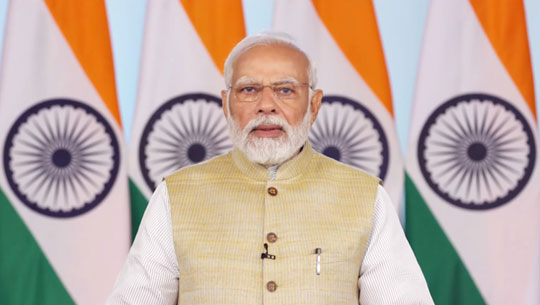
External Affairs Minister S. Jaishankar is set to launch India's formal bid for a non-permanent seat on the United Nations Security Council for the 2028-29 term, signaling New Delhi's proactive efforts to reshape global governance amid intensifying geopolitical instability.
In-Depth Analysis
External Affairs Minister S. Jaishankar is initiating a high-stakes diplomatic campaign to secure a non-permanent seat for India on the United Nations Security Council (UNSC) for the 2028-29 term. The announcement comes at a juncture where the international order is facing significant stress, with regional conflicts and systemic rivalries challenging the effectiveness of the world body.
A Push for Global Representation
India has long argued that the current structure of the United Nations, particularly the permanent membership of the Security Council, reflects the geopolitical realities of 1945 rather than the contemporary landscape of the 21st century. By seeking a non-permanent seat, New Delhi aims to maintain its voice within the top decision-making organ of the UN while simultaneously pushing for more comprehensive reforms, including permanent membership for itself and other emerging powers.
Navigating Complex Geopolitical Tensions
As Jaishankar prepares to engage with member states, the environment in New York and global capitals is increasingly polarized. The ongoing conflicts in Eastern Europe and the Middle East have highlighted the limitations of the UNSC, often resulting in gridlock when permanent members hold conflicting interests. India has consistently positioned itself as a 'bridge builder,' a nation capable of engaging with the Global South while maintaining strategic partnerships with major powers such as the United States, Russia, and European nations.
This campaign will require meticulous diplomatic maneuvering. New Delhi must navigate the sensitivities of various regional blocs, ensuring that its candidacy gains broad-based support across different continents. The Ministry of External Affairs is expected to emphasize India's track record of upholding international law, its massive contribution to UN peacekeeping operations, and its growing role as a reliable partner in addressing climate change, digital transformation, and maritime security.
Strategic Priorities
During his outreach, Jaishankar is expected to highlight several key themes:
- Multilateral Reform: Strengthening the UN to make it more representative and effective.
- Counter-Terrorism: Pushing for a more cohesive global response to transnational terrorism and the misuse of emerging technologies.
- Economic Resilience: Championing the interests of developing nations that are disproportionately affected by global supply chain disruptions and food insecurity.
- Sustainability: Leading initiatives focused on 'Global South' development goals and sustainable energy transitions.
The Path Ahead
While the election for the 2028-29 term remains a few years away, early campaigning is essential to build consensus. India's ability to articulate a vision that transcends national interest will be pivotal. Diplomats suggest that New Delhi will leverage its 'Vishwa Mitra' (Friend of the World) image to persuade member states that an Indian presence on the Council is essential for maintaining global peace and stability. The campaign serves not just as a bid for a temporary seat, but as a broader strategic statement about India's arrival as a major pillar in the global architecture.
How do you feel about this story?
Discussion
No comments yet. Be the first to share your thoughts.
Join the discussion
Sign in to share your thoughts on this story.