BNN Summary
As Shiv Sena celebrates its 60th anniversary, the party faces existential challenges following a historic split. This report examines the ideological shifts, succession battles, and the uphill struggle for Uddhav Thackeray to retain the party's relevance in Maharashtra's volatile political landscape.
In-Depth Analysis
The Shiv Sena, an organization that once defined the heartbeat of Mumbai politics, recently reached its 60-year milestone. However, the diamond jubilee celebrations were marked not by jubilation, but by the somber reality of a fractured house. The internal upheaval that began in 2022, leading to the collapse of the Maha Vikas Aghadi government, has left the party in a state of flux, questioning its core identity, leadership, and long-term electoral viability.
A Legacy Under Pressure
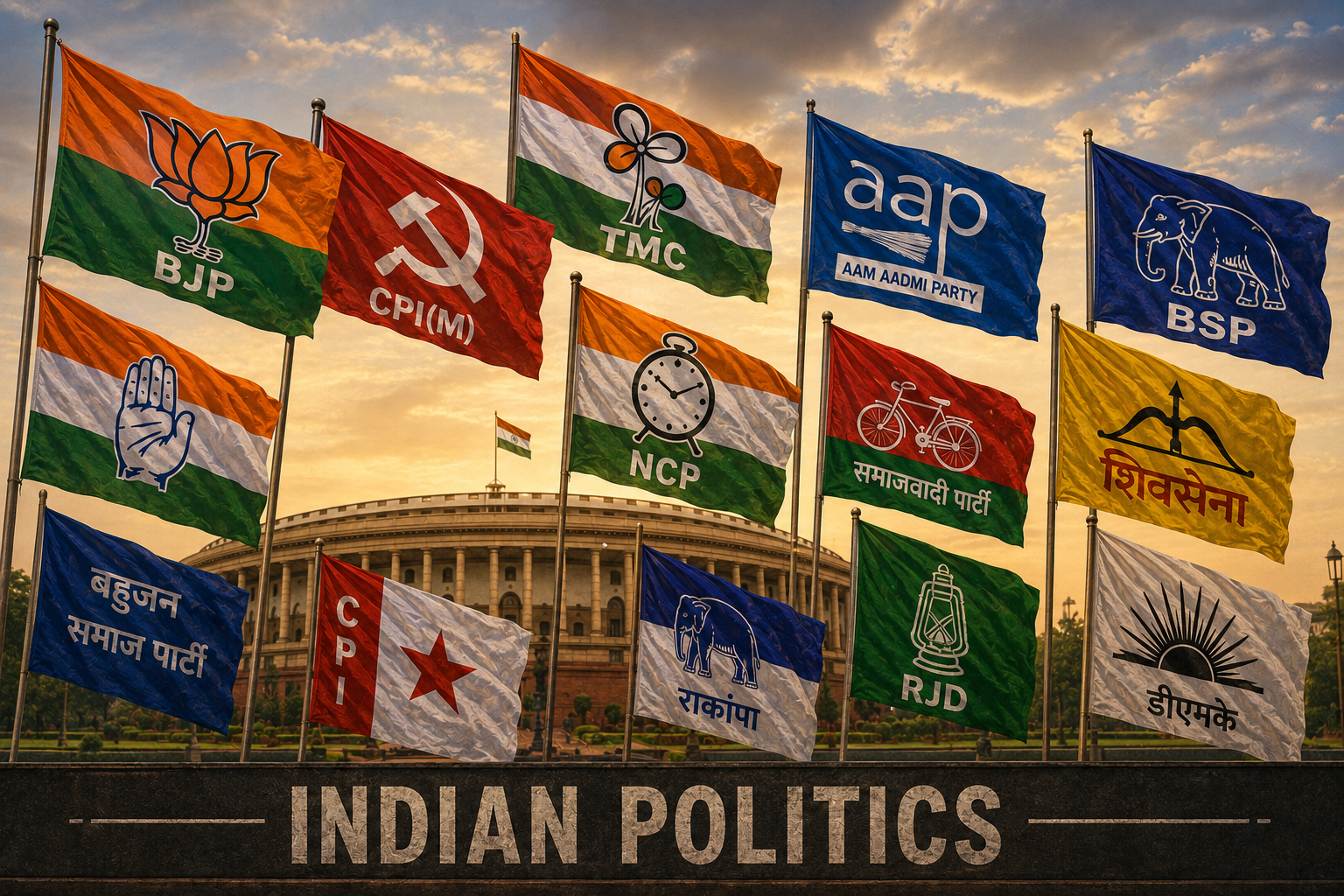
Founded in 1966 by Balasaheb Thackeray, the Shiv Sena was built on the foundation of 'sons-of-the-soil' ideology and aggressive Hindutva. For decades, the party acted as the undisputed arbiter of power in Maharashtra. However, the recent schism, spearheaded by Eknath Shinde, has challenged the very essence of the Thackeray family's command over the organization. As the two factions continue their legal and political tug-of-war over the party's symbol and name, the broader question remains: what does it mean to be a Shiv Sainik in the post-Balasaheb era?
Ideological Drift and Political Pragmatism
Uddhav Thackeray, the son of the founder, steered the party toward a more secular-liberal coalition during his tenure as Chief Minister. Critics argue that this drift from the original 'Hardline Hindutva' stance alienated the traditional grassroots base, creating a vacuum that the Bharatiya Janata Party (BJP) and the Eknath Shinde faction were eager to fill. The challenge for Uddhav is to reconcile the party's regional heritage with the shifting political demographics of a modernizing Maharashtra.
Succession and Survival
The current struggle is as much about the future as it is about the past. With Aaditya Thackeray emerging as the new face of the party, the transition represents a generational shift that has not been universally accepted by the older cadre. The factional warfare has drained resources and focus, forcing the party to pivot toward rebuilding its organizational structure from the ground up.
The Road Ahead
The upcoming state elections will serve as the ultimate litmus test for the Thackeray faction. If they fail to regain lost ground, the party risks becoming a regional entity of diminished influence, much like many other dynastic parties that have faded into the shadows of larger national movements. To survive, the party must address several critical fronts:
- Reclaiming the Narrative: Re-establishing the connection between the leadership and the lower-tier party workers who feel abandoned by the split.
- Consolidating the Base: Balancing the legacy of the past with the need for a contemporary economic policy that appeals to urban youth.
- Legal Resolution: Navigating the complex judicial battles that continue to cloud the legitimacy of leadership claims.
As the political landscape of India becomes increasingly competitive, the next few years will dictate whether the Shiv Sena remains a powerful political force or a historical artifact of 20th-century Maharashtra politics. The resilience of the party's brand is at its breaking point, and the outcome of this struggle will be studied by political scientists for decades to come as a case study in the perils of dynastic succession and ideological dilution.
How do you feel about this story?
Discussion
No comments yet. Be the first to share your thoughts.
Join the discussion
Sign in to share your thoughts on this story.