BNN Summary
The upcoming Monsoon session of the Indian Parliament is slated to begin on July 20. Spanning three weeks, the session will prioritize legislative business and address critical political developments following recent electoral outcomes, alongside discussions on government coordination and policy implementation.
In-Depth Analysis
The Indian Parliament is preparing for its highly anticipated Monsoon session, which is currently scheduled to commence on July 20. According to parliamentary procedures and legislative sources, the session is expected to span approximately three weeks, providing a condensed but busy window for lawmakers to debate, deliberate, and pass crucial legislation. This session comes at a pivotal moment in the nation's political calendar, following recent electoral developments that have shifted the dynamics within both the Houses.
Legislative Priorities
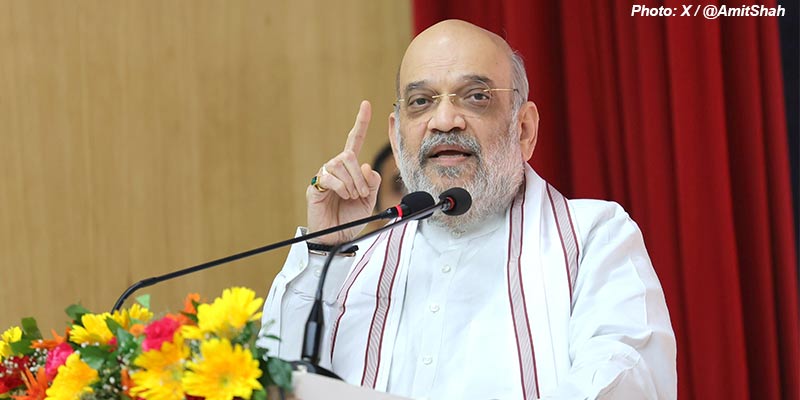
During the upcoming session, the government is expected to prioritize a range of bills that were previously stalled or held back for detailed review. Parliamentary affairs officials have indicated that the focus will remain on economic reforms and social welfare programs. The session serves as an essential venue for the current administration to push forward its policy agenda, particularly in the context of recent discussions led by Prime Minister Narendra Modi, who has emphasized a 'whole-of-government' approach. This strategy aims to bridge the gap between various ministries, ensuring that government schemes are delivered with maximum efficiency and minimal bureaucratic friction.
The Political Landscape
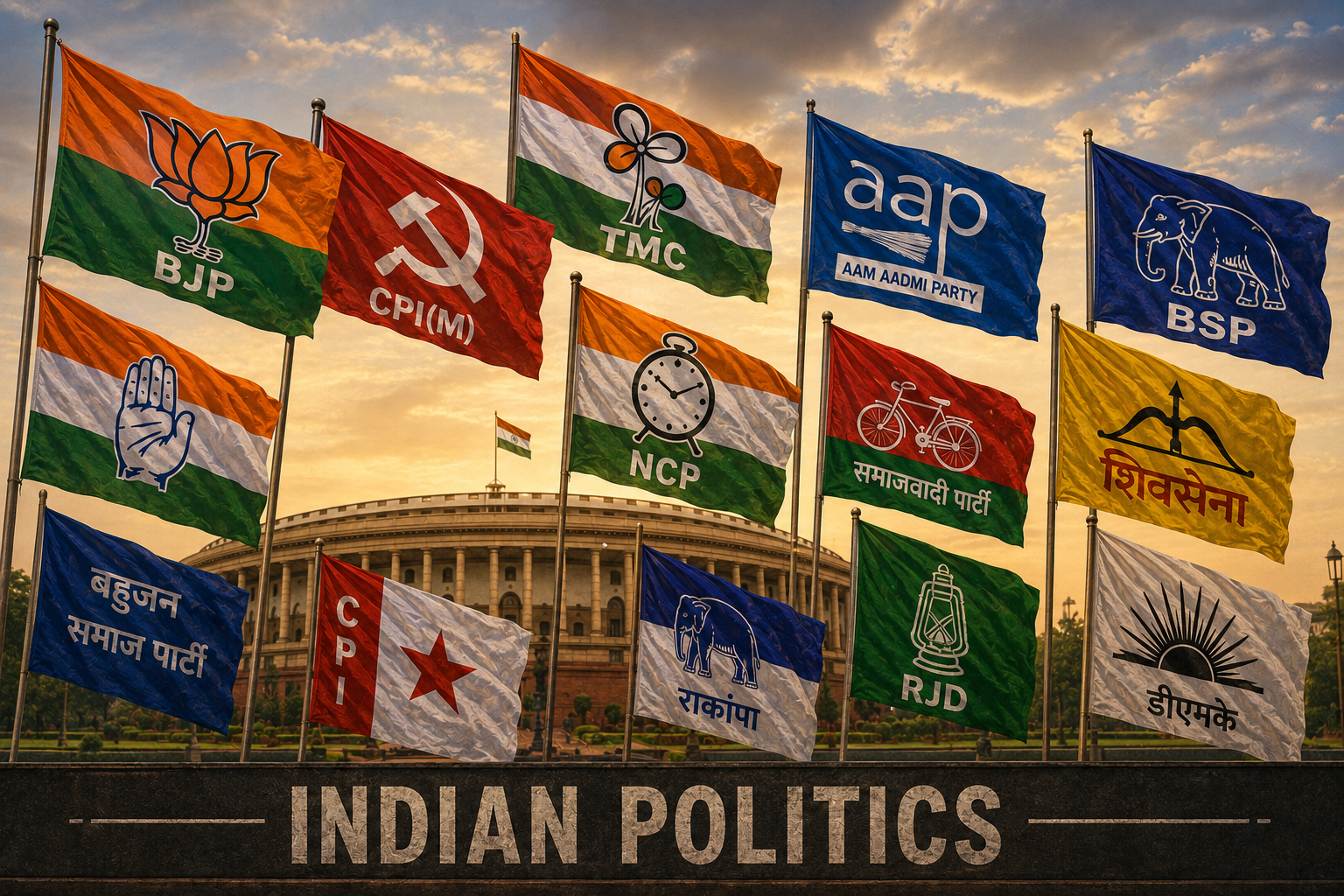
Political observers are keenly watching the session to gauge the strength and unity of the National Democratic Alliance (NDA) following its recent electoral performances. With a refreshed mandate, the ruling coalition is expected to use this parliamentary period to solidify its position and address opposition concerns. However, the opposition parties are also preparing to challenge the government on various fronts, including recent law-and-order issues. High-profile cases, such as the ongoing legal developments in the Ankita Bhandari murder case, have stirred public sentiment and are likely to be raised as points of concern regarding state administration and judicial processes.
Administrative Oversight
In preparation for the session, top government officials have been engaged in extensive review meetings. Prime Minister Modi recently held a comprehensive, four-hour-long session with top-tier bureaucrats to streamline governance. The emphasis on coordination is designed to ensure that when the Parliament meets, the government is prepared to address systemic challenges head-on. The ministers have been instructed to focus on the saturation of schemes, ensuring that every intended beneficiary is reached, and to maintain a high level of accountability in their respective departments.
Procedural Expectations
While the exact schedule of the session is still subject to formal notification by the Cabinet Committee on Parliamentary Affairs (CCPA), the anticipation of a July 20 start date has already set the tone for the upcoming weeks. The session is expected to be characterized by intense debates on national security, economic inflation, and infrastructure development. The three-week duration suggests a rigorous schedule, likely involving extended sittings to ensure that the legislative agenda is completed. As the nation watches, the Parliament will act as the primary theater for addressing the country's most pressing concerns, ranging from grassroots governance to high-level diplomatic and fiscal policies.
How do you feel about this story?
Discussion
No comments yet. Be the first to share your thoughts.
Join the discussion
Sign in to share your thoughts on this story.