Image: Wikipedia
BNN Summary
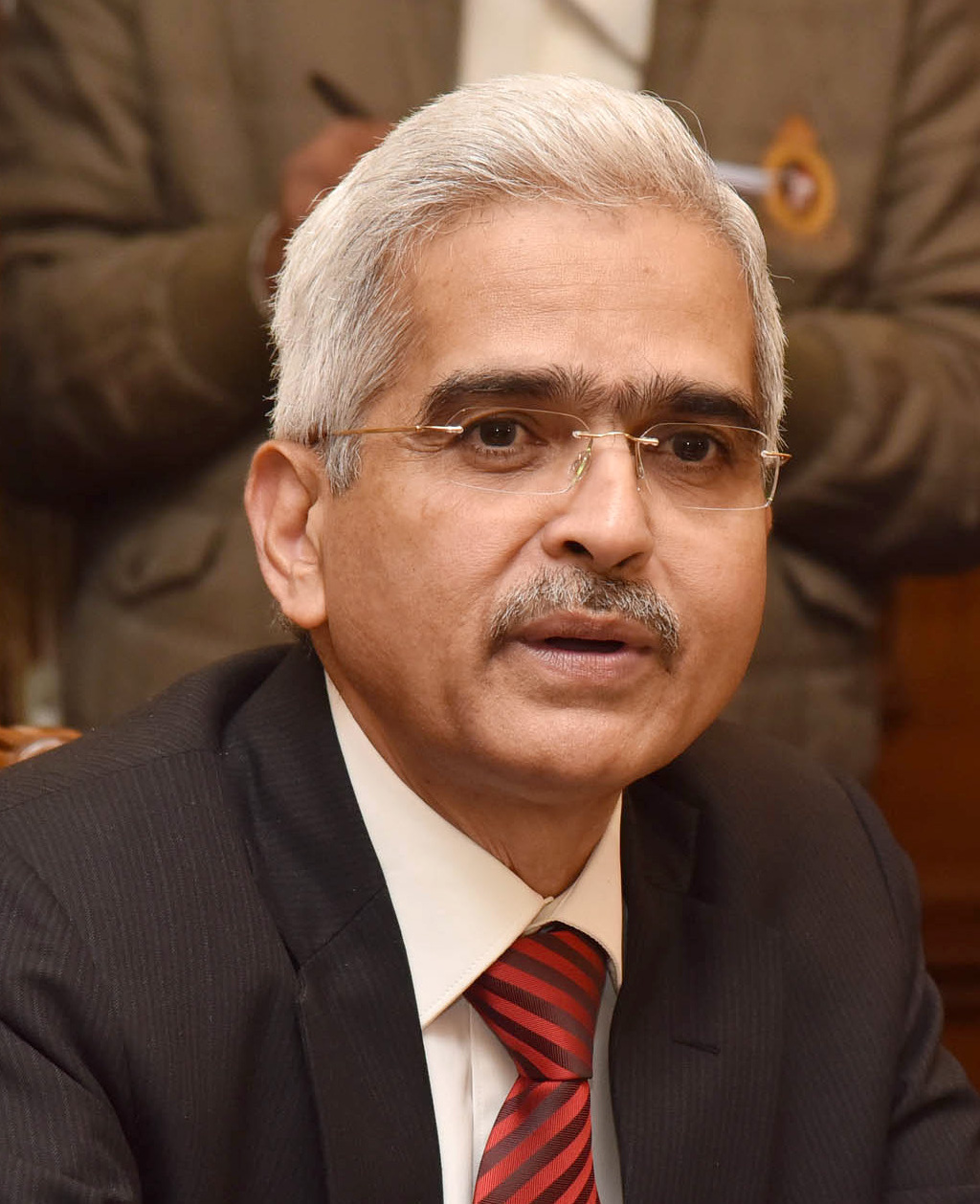
Reserve Bank of India Governor Shaktikanta Das has emphasized the central bank's commitment to controlling inflation while fostering sustainable economic growth. Under his leadership, the RBI has successfully steered India through global financial headwinds, implemented key reforms to strengthen the domestic banking sector, and pioneered digital innovations like the e-Rupee, maintaining India's position as a highly resilient major economy.
In-Depth Analysis
Navigating Global Economic Headwinds
Reserve Bank of India (RBI) Governor Shaktikanta Das has emerged as a pivotal figure in anchoring India's macroeconomic stability during one of the most volatile periods in modern global financial history. Under his leadership, the central bank has adopted a proactive and calibrated approach to monetary policy, navigating challenges ranging from the fallout of the COVID-19 pandemic to geopolitical conflicts and aggressive global monetary tightening. Das has consistently emphasized that maintaining financial stability and keeping inflation within the target band of 4% (with a margin of +/- 2%) remain the top priorities for the central bank, even as it strives to support India's robust economic growth trajectory.
Inflation Control and Monetary Strategy
A critical element of Governor Das's tenure has been the strategic calibration of the repo rate by the Monetary Policy Committee (MPC). Confronted with supply-side shocks and rising commodity prices, the RBI implemented a series of rate hikes to curb inflationary pressures, maintaining a stance focused on the 'withdrawal of accommodation'. Das has repeatedly asserted that the battle against inflation is not yet over, urging vigilance against food price shocks and climate-related uncertainties. Through clear communication and decisive policy actions, the RBI has managed to bring retail inflation down from its peak levels, aligning it closer to the central bank's medium-term target without stifling economic momentum.
Strengthening the Banking Sector
Beyond monetary policy, Shaktikanta Das has spearheaded significant regulatory reforms aimed at strengthening the Indian banking and financial system. Under his supervision, Indian banks have witnessed a remarkable turnaround, characterized by multi-year low Non-Performing Asset (NPA) ratios and robust capital adequacy buffers. Das has placed immense emphasis on enhancing corporate governance standards within commercial banks, Non-Banking Financial Companies (NBFCs), and cooperative banks. He has cautioned financial institutions against aggressive growth strategies that might compromise risk management frameworks, advocating for stress-testing and the proactive build-up of capital buffers to withstand potential external shocks.
Pioneering Digital Financial Innovation
Under Shaktikanta Das's stewardship, India has cemented its status as a global leader in digital payments. The Unified Payments Interface (UPI) has scaled unprecedented heights, expanding its footprint internationally to countries like Singapore, the UAE, and France. Furthermore, the RBI has successfully launched pilot projects for the Central Bank Digital Currency (CBDC), known as the digital rupee (e-Rupee), in both wholesale and retail segments. Das has championed these innovations as tools to lower the cost of physical cash management, boost financial inclusion, and streamline cross-border remittances.
Recognition and Future Outlook
Governor Das's exemplary leadership has garnered international acclaim, including being honored as the 'Governor of the Year' at the prestigious Central Banking Awards. As India continues to project strong GDP growth rates exceeding 6.5% to 7% in a sluggish global economy, the steady stewardship of Shaktikanta Das remains a cornerstone of investor confidence. The RBI remains committed to a balanced policy mix, ensuring that India's financial system remains resilient, modern, and capable of supporting the nation's long-term developmental aspirations.
How do you feel about this story?
Discussion
No comments yet. Be the first to share your thoughts.
Join the discussion
Sign in to share your thoughts on this story.