Image: Wikipedia
BNN Summary
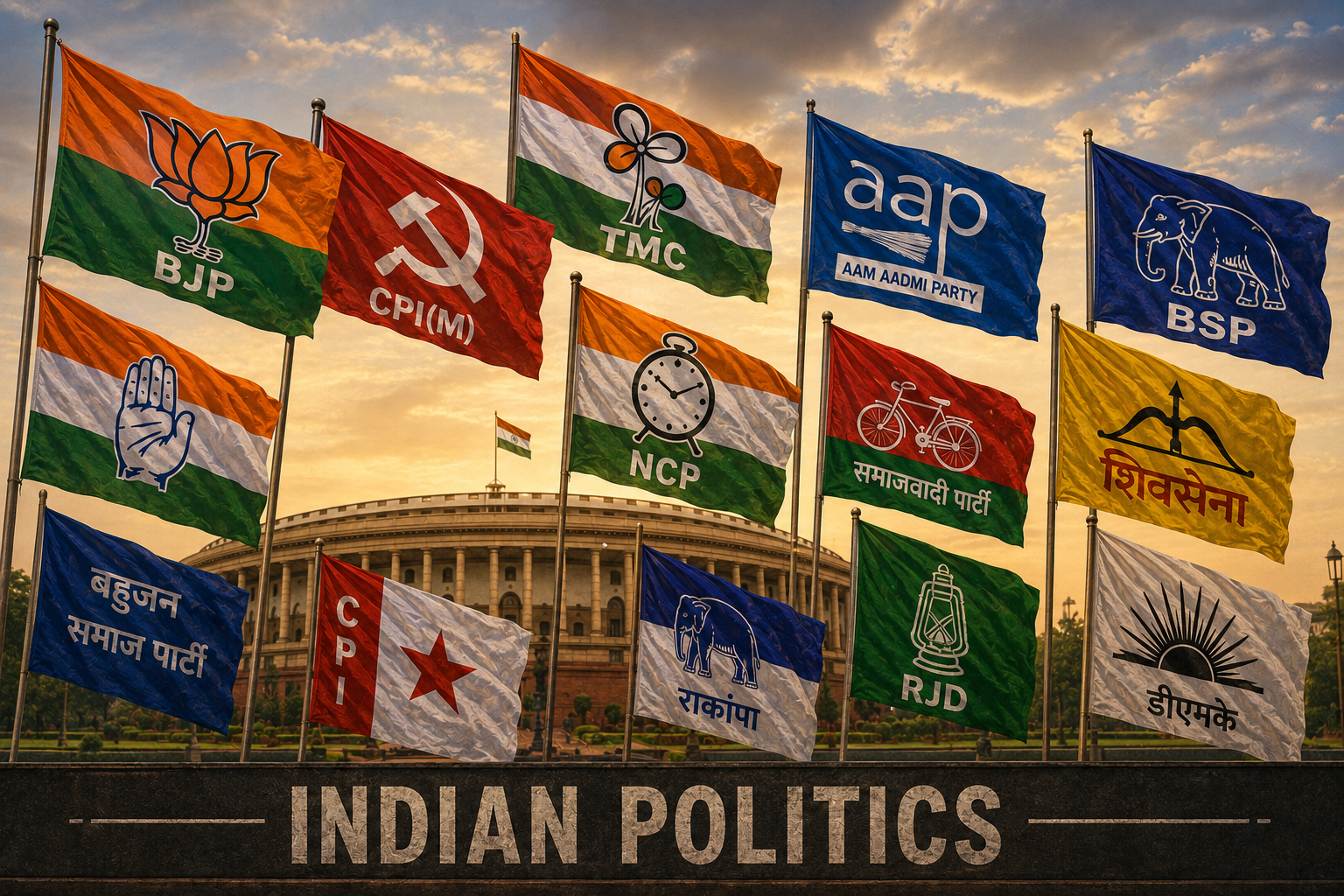
In a significant leadership transition, the Congress party has appointed three-term MP B. Manickam Tagore as the new chief of the Tamil Nadu Congress Committee. This strategic overhaul signals a potential recalibration of the party's political alliances, moving away from its traditional dependency on the DMK toward a more independent path, with early indications of warming relations with Vijay's newly formed Tamilaga Vettri Kazhagam.
In-Depth Analysis
In a decisive move to revitalize its organizational framework ahead of the upcoming political cycle, the All India Congress Committee has appointed three-term Virudhunagar Lok Sabha Member of Parliament, B. Manickam Tagore, as the new president of the Tamil Nadu Congress Committee (TNCC). The 51-year-old leader replaces K. Selvaperunthagai, marking a transition that observers believe carries deep implications for the future of Dravidian politics and state-level coalition dynamics.
A Shift in Political Alignment
For years, the Tamil Nadu Congress has operated as a junior partner within the Secular Progressive Alliance, primarily led by the Dravida Munnetra Kazhagam (DMK). However, the internal sentiment within the state unit has grown increasingly frustrated with the perceived marginalization of Congress leaders within this framework. Manickam Tagore is widely recognized within party circles as a leader who advocates for a more assertive identity for the grand old party, distinct from the shadow of the DMK.
Analysts suggest that the elevation of Tagore is not merely a routine administrative shuffle but a strategic signal. His appointment coincides with growing curiosity surrounding the political trajectory of the Tamilaga Vettri Kazhagam (TVK), the party launched by actor-turned-politician Vijay. Unlike his predecessor, who was viewed as having a deep institutional affinity for the DMK, Tagore is expected to steer the party toward a more flexible stance, potentially creating space for a tactical rapprochement with emerging political forces like the TVK.
The Challenge Ahead
Tagore faces a daunting task. The Tamil Nadu Congress has struggled to maintain its electoral relevance, often tethered to the performance and seat-sharing whims of its larger allies. By placing a seasoned parliamentarian known for his national-level connectivity and articulate communication style at the helm, the central leadership hopes to achieve three key objectives:
- Reclaiming Ground: Strengthening the party's grassroots presence in districts where its influence has waned.
- Policy Assertion: Creating a unique 'Congress identity' that resonates with younger voters who are currently disillusioned with the two dominant Dravidian parties.
- Strategic Flexibility: Negotiating future electoral pacts from a position of relative independence.
Internal Dynamics and Leadership Transition
While the party leadership formally acknowledged and appreciated the contributions of the outgoing president, K. Selvaperunthagai, the change in guard has been welcomed by a segment of the cadres that felt the state unit needed a more aggressive campaigner. Tagore, who has been a vocal critic of the ruling administration in the state on several public interest issues, is expected to bring a more confrontational approach to the legislative and public outreach domains.
The timing of this appointment is critical. With the 2026 assembly elections appearing on the horizon, the Congress is attempting to shed its image as a 'caboose' party. Whether Tagore can successfully translate this change in leadership into tangible electoral dividends remains to be seen. However, the move has undeniably injected a sense of urgency into the Tamil Nadu political landscape, forcing observers to reconsider the stability of the long-standing DMK-Congress partnership.
How do you feel about this story?
Discussion
No comments yet. Be the first to share your thoughts.
Join the discussion
Sign in to share your thoughts on this story.