BNN Summary
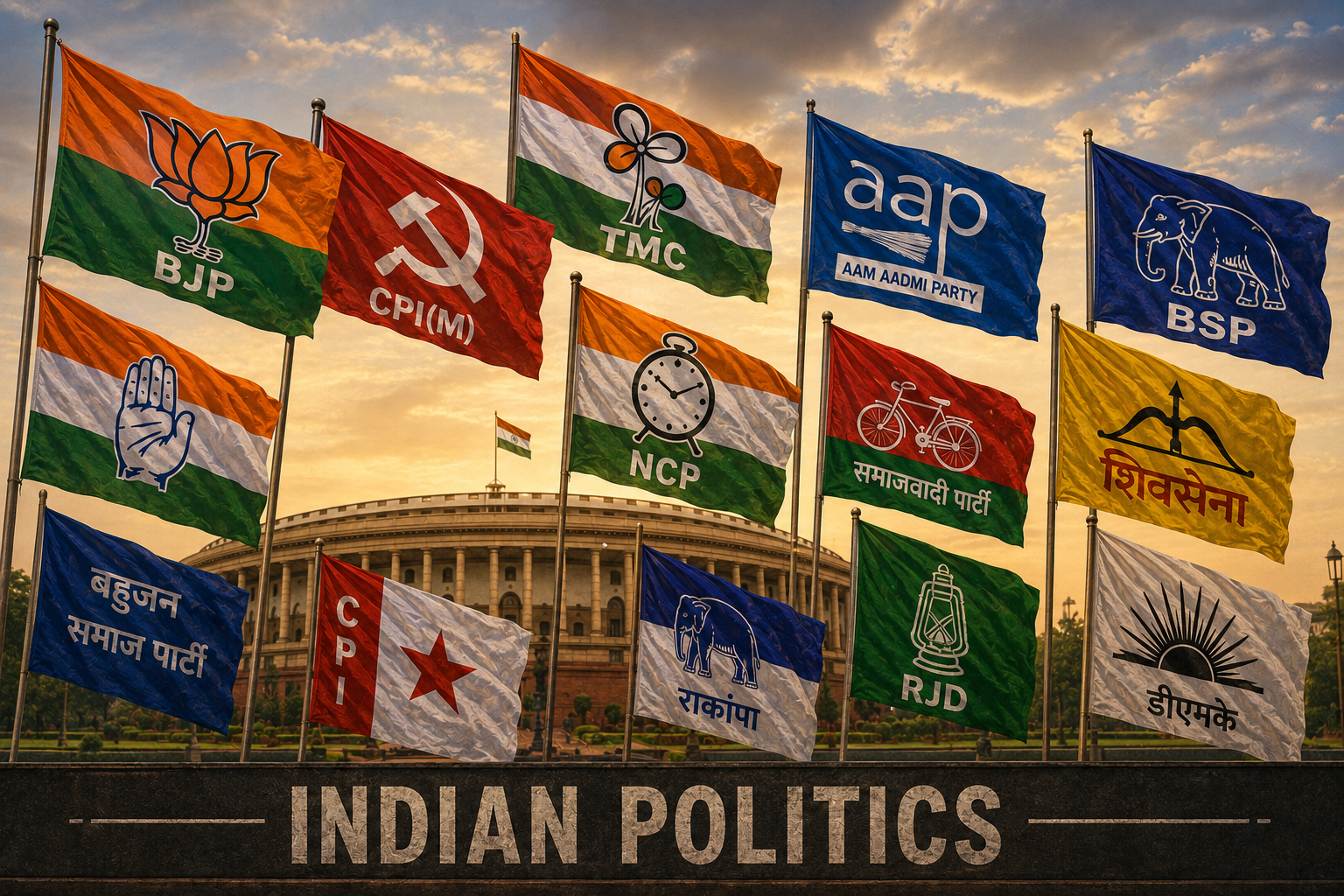
The Bharatiya Janata Party has launched a sharp critique against Congress leader Sonia Gandhi following her recent op-ed regarding India's stance on the Gaza conflict, accusing the opposition of prioritizing vote-bank politics over national interest.
In-Depth Analysis
Asignificant political controversy has erupted in New Delhi following a published opinion piece by Congress Parliamentary Party Chairperson Sonia Gandhi. In her article, Gandhi criticized the current government's policy regarding the ongoing conflict in Gaza, suggesting that India has abandoned its historical principles and is prioritizing strategic alignments at the cost of its global voice for peace and justice. The op-ed has drawn swift and aggressive rebukes from the Bharatiya Janata Party (BJP), which has characterized the critique as a calculated move to engage in domestic vote-bank politics rather than a genuine concern for international affairs.
The Core of the Dispute
Sonia Gandhi’s primary contention centers on what she describes as a 'deafening silence' from the Indian administration regarding the humanitarian crisis in Gaza. She argued that India has historically stood with the oppressed and maintained a balanced approach toward the Middle East. According to Gandhi, by tilting heavily toward specific strategic partners, the government is eroding India's moral standing on the global stage. She urged the government to reaffirm its commitment to humanitarian values and the rights of civilian populations caught in the crossfire.
The BJP Response
BJP national spokesperson Shehzad Poonawalla led the counter-offensive, asserting that the Congress party is once again using foreign policy issues to pander to specific domestic constituencies. Poonawalla emphasized that the government has consistently maintained a balanced and pragmatic approach that prioritizes India’s national security and economic interests. He stated, 'The Congress party fails to understand the complexities of modern geopolitics. Their habit of questioning the government on sensitive international issues is merely an attempt to secure a specific vote bank.'
Furthermore, the BJP directed the conversation toward the treatment of minorities in neighboring regions, specifically asking why the Congress leadership has remained notably quiet regarding the plight of Hindus in Dhaka. The BJP argued that if the Congress is truly concerned about human rights, it should demonstrate consistency by condemning the violence faced by Hindu communities in Bangladesh. This 'whataboutism' has become a central feature of the current debate, with the BJP alleging that the Congress adopts selective outrage depending on the identity of the victims and the geopolitical setting.
Broader Political Implications
This exchange underscores a deepening divide between the ruling party and the opposition regarding the direction of India's foreign policy. While the BJP promotes a narrative of a 'rising, pragmatic India' that focuses on national interest and secure borders, the Congress maintains that this approach has come at the expense of India’s soft power and historical diplomatic credibility.
Political analysts suggest that this debate is unlikely to resolve soon, as both parties seek to define their ideological boundaries ahead of upcoming legislative sessions. The BJP is keen to project the Congress as 'anti-national' or 'politically opportunistic,' while the Congress aims to position itself as the conscience of the nation, defending traditional foreign policy values. As the rhetoric intensifies, the public is left to navigate conflicting narratives about India’s true role on the world stage and where its responsibilities lie in an increasingly volatile global environment.
How do you feel about this story?
Discussion
No comments yet. Be the first to share your thoughts.
Join the discussion
Sign in to share your thoughts on this story.