Image: Wikimedia
BNN Summary
Political leaders commemorate the anniversary of the 1975 Emergency, sparking intense debate between the BJP and Congress over the preservation of democratic values and historical accountability in India.
In-Depth Analysis
The anniversary of the declaration of the Emergency in India on June 25, 1975, continues to serve as a pivotal moment for political discourse across the nation. Recently, members of the Bharatiya Janata Party (BJP) observed the occasion as a 'Black Day', organizing various programs to honor the 'Loktantra Senanis'—the individuals who resisted the suspension of civil liberties during that turbulent period. Senior leaders emphasized that the Emergency represented a direct assault on the fundamental rights of citizens and the very core of the Indian Constitution.
Historical Context and BJP Perspectives
Leaders like Rajiv Bindal have vocally criticized the Congress party, accusing them of bypassing the Constitution to maintain power. The narrative pushed by the BJP suggests that the 21-month period was a systematic effort to dismantle democratic institutions, suppress the press, and silence political opposition. Throughout various districts, party workers held commemorative events, highlighting what they term as the 'atrocities' committed under the regime of the time. The focus remains on educating the younger generation, with supporters pointing to the inclusion of details regarding the Emergency in NCERT textbooks as a necessary step to ensure that history is not forgotten or sanitized.
The Political Counter-Narrative
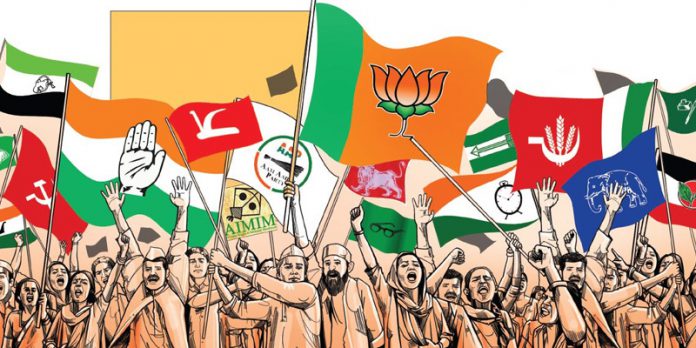
Conversely, the Congress party and its representatives, including figures like Rakesh Rathore, have dismissed these commemorations as mere political theatrics. Critics argue that the ruling party is using historical debates to divert public attention from contemporary issues. These include concerns regarding the handling of religious trusts, internal party controversies within other political factions, and accusations regarding the alleged intent to alter reservation policies. According to opposition leaders, constant reminders of the 1975 event are a strategic distraction from the current economic and social challenges facing the common citizen.
The Broader Debate on Democracy
At the heart of the disagreement lies a fundamental clash in political messaging. The BJP frames the legacy of 1975 as a cautionary tale about the dangers of authoritarianism within the Congress party. By honoring those who fought against the suspension of rights, they aim to solidify their identity as the protectors of democratic institutional integrity.
Meanwhile, the opposition maintains that while the Emergency is an undeniable part of history, its persistent weaponization in modern political discourse serves little purpose other than polarization. The ongoing debate highlights the fragility of democratic memory in India and the importance of constitutional checks and balances. Whether the focus is on historical introspection or contemporary governance, the narrative surrounding the 'Black Day' remains one of the most polarizing topics in the Indian political calendar, proving that the shadows of the mid-seventies still influence the political alignment and rhetoric of the present day.
How do you feel about this story?
Discussion
No comments yet. Be the first to share your thoughts.
Join the discussion
Sign in to share your thoughts on this story.