BNN Summary
The Indian National Developmental Inclusive Alliance (INDIA) is grappling with significant internal disunity, casting a shadow over its future and electoral prospects. A perceived lack of cohesion within the Congress party, particularly without the unifying influence of key figures, is exacerbating tensions among alliance partners. This escalating rift threatens the opposition's collective ability to present a formidable challenge in upcoming elections, raising critical questions about its sustainability and strategic effectiveness.
In-Depth Analysis
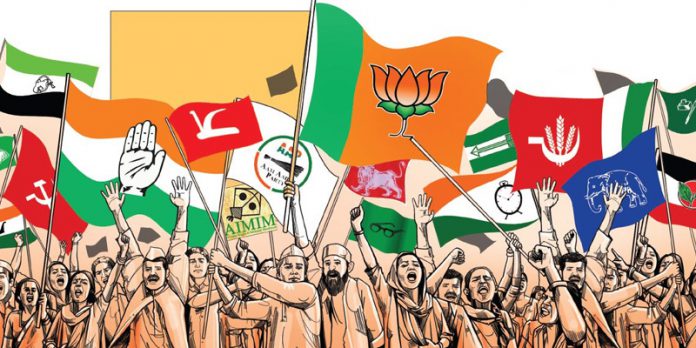
The Indian National Developmental Inclusive Alliance (INDIA), formed with the ambitious goal of consolidating opposition forces against the ruling dispensation, finds itself at a critical juncture as internal fissures increasingly come to light. The alliance, comprising a diverse spectrum of regional and national parties, is reportedly struggling with a disturbing lack of unity, primarily stemming from perceived inconsistencies and assertiveness from the Indian National Congress, its largest constituent. This internal discord raises significant questions about the alliance's ability to maintain a united front and effectively challenge the incumbent government in forthcoming electoral battles.
Observers note a palpable sense of unease among several INDIA bloc members regarding the Congress party's approach to alliance dynamics. The absence of a consistently reassuring and mediating presence, particularly from veteran leaders like Sonia Gandhi, is frequently cited as a contributing factor to the current friction. Sonia Gandhi's historical role has often been one of a consensus-builder, adept at navigating complex inter-party relationships and assuaging the concerns of smaller allies. Without this seasoned hand, the Congress's interactions with its partners are reportedly less nuanced, leading to misunderstandings and heightened tensions. This leadership vacuum, or at least a perceived one, complicates critical discussions, especially concerning sensitive issues like seat-sharing agreements and leadership roles within the alliance.
The challenges are multifaceted, encompassing ideological differences, regional aspirations, and strategic disagreements. Many regional parties, while acknowledging the necessity of a united opposition, are equally protective of their own electoral bases and political autonomies. They often view the Congress's national ambitions with a degree of apprehension, fearing that a dominant Congress might overshadow their regional influence. Seat-sharing negotiations, a perennial stumbling block in multi-party alliances, have proven particularly thorny. Each party seeks to maximize its share of winnable constituencies, leading to protracted discussions and often, public spats that undermine the alliance's image of solidarity. The inability to swiftly and amicably resolve these distribution issues projects an image of disarray, which the opposition can ill afford.
Furthermore, the question of a united leadership face for the INDIA alliance remains largely unanswered, contributing to the general uncertainty. While the alliance's strength is touted to be its collective leadership, the lack of a clear, universally accepted convenor or prime ministerial candidate creates an opportunity for internal power struggles and conflicting narratives. This ambiguity provides fodder for critics and leaves voters unclear about the alternative vision the INDIA bloc offers. Historically, successful coalition governments in India have often benefited from a strong, unifying figure, even if that figure emerged later in the political cycle.
The implications of this deepening rift are profound. A fragmented opposition plays directly into the hands of the ruling party, which often thrives on exploiting divisions among its rivals. If the INDIA alliance fails to iron out its differences and present a cohesive electoral strategy, its primary objective—to offer a credible and unified alternative—will be severely jeopardized. The upcoming elections demand an extraordinary level of cooperation and strategic alignment, not just in rhetoric but in practical execution, including joint campaigns, shared messaging, and seamless coordination on the ground. Without addressing these internal challenges decisively, the future of the INDIA alliance appears increasingly precarious, raising doubts among its supporters and providing little assurance to the electorate that it can indeed deliver on its promise of a stronger, united opposition.
How do you feel about this story?