BNN Summary
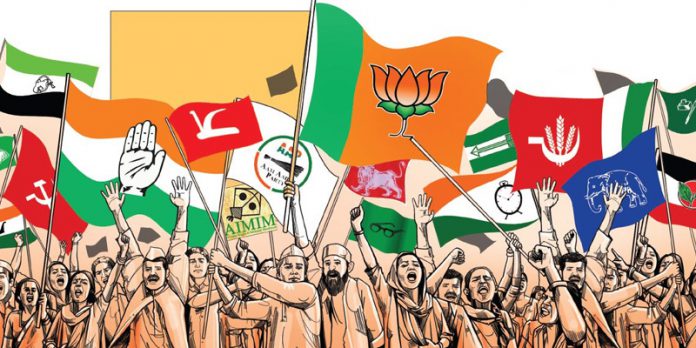
The Indian National Developmental Inclusive Alliance (INDIA) bloc is demonstrating a revitalized approach to opposition politics, marked by proactive communication and strategic cohesion. Recent actions, such as Congress leader Rahul Gandhi's public release of his speeches, signal a deliberate effort to enhance transparency and directly engage the electorate. This renewed vigor underscores the bloc's commitment to challenging the ruling establishment and presenting a united, alternative vision for India's democratic future amidst complex political and socio-economic challenges.
In-Depth Analysis
The Indian National Developmental Inclusive Alliance (INDIA) bloc appears to be recalibrating its strategies, signaling a determined effort towards both resistance against the incumbent government and an internal renewal designed to strengthen its collective might. A notable instance of this evolving approach is Congress leader Rahul Gandhi's unprecedented decision to publicly release speeches delivered at internal meetings. This move, perhaps a first for a Leader of the Opposition in the Lok Sabha, signifies a departure from traditional political communication, aiming for greater transparency and direct public engagement. It underscores a strategic pivot towards controlling the narrative and communicating the bloc's positions unvarnished to a wider audience, bypassing conventional media filters and fostering a direct connection with the populace.
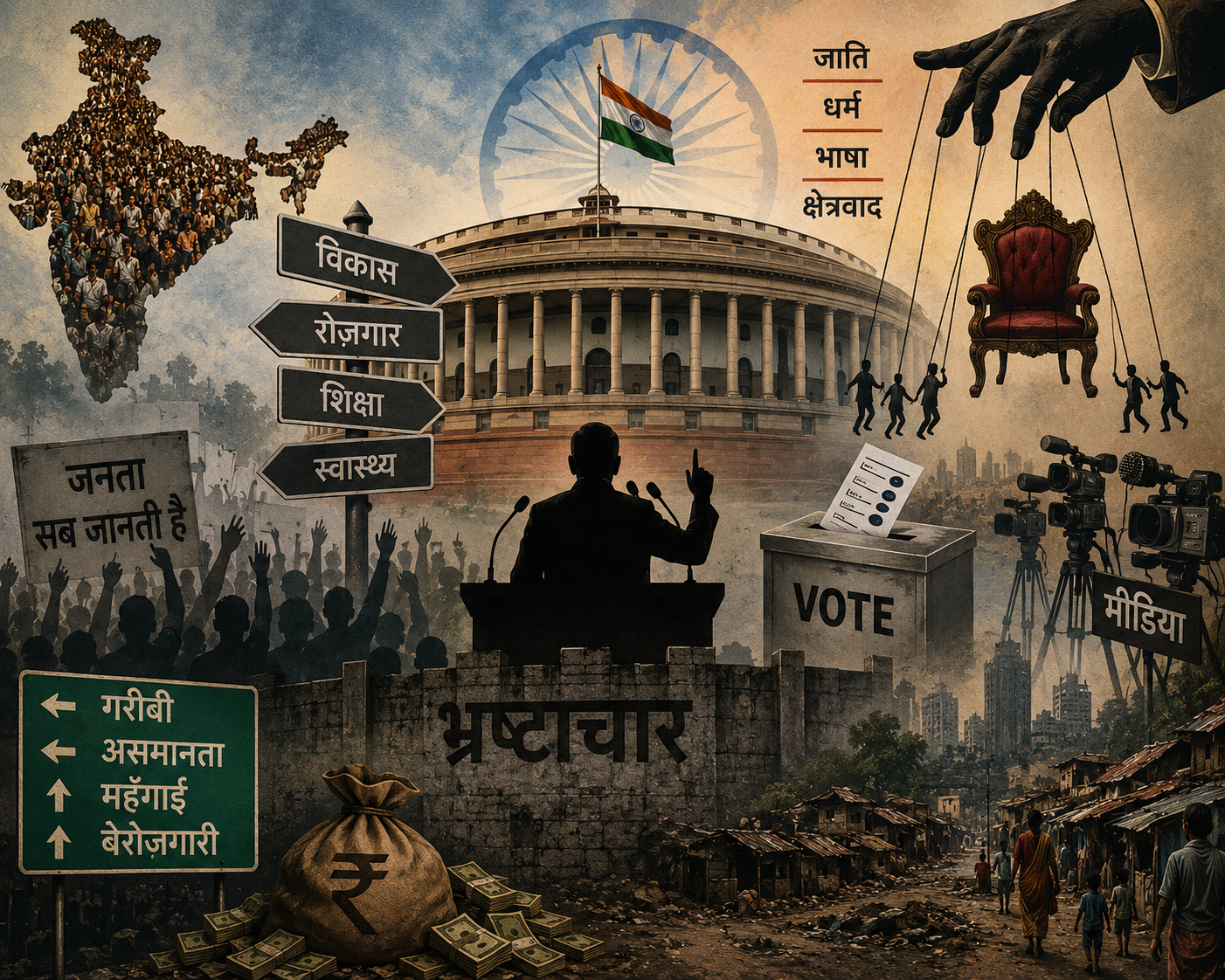
At the core of the INDIA bloc's mandate is its commitment to resistance. This resistance is multifaceted, targeting what the alliance perceives as critical threats to India's democratic fabric and societal harmony. It includes a strong opposition to policies believed to undermine federalism, such as the perceived centralization of power and the erosion of states' financial autonomy. Furthermore, the bloc vociferously challenges economic disparities, citing concerns over rising unemployment, persistent inflation impacting everyday citizens, and widening income gaps. Social polarization, often fueled by divisive rhetoric, and issues concerning the protection of minority rights and constitutional values also form significant planks of the bloc's resistive stance. This resistance is not merely confrontational; it aims to articulate alternative policy frameworks and solutions that prioritize inclusive growth, social justice, and the strengthening of democratic institutions.
The imperative for renewal within the INDIA bloc is equally pronounced. Following various electoral cycles and the lessons learned from previous political alignments, the constituent parties are engaged in efforts to overcome historical differences and forge a more cohesive unit. This renewal involves intricate discussions on strengthening the alliance's organizational structure, enhancing coordination mechanisms, and developing a unified narrative. Key to this internal restructuring is the pursuit of a common minimum program or a shared vision that can be effectively presented to the electorate as a credible alternative to the ruling establishment. The strategic communication shifts, exemplified by Gandhi's initiative, are integral to this renewal, aimed at projecting a united front, countering opposing narratives, and directly reaching voters. Emphasis is also being placed on leveraging regional strengths of individual parties while maintaining a national outlook, recognizing the diverse political landscape of India.
However, the path ahead for the INDIA bloc is fraught with challenges, even as it presents significant opportunities. One of the most persistent hurdles remains the resolution of leadership questions, particularly in projecting a cohesive leadership structure that can inspire confidence across all allied parties and the wider public. The perennial issue of seat-sharing in elections, especially in states where alliance partners have historically been direct rivals, demands delicate negotiations and compromises. Ideological divergences among parties, ranging from left-of-center to regionalist platforms, necessitate careful balancing to maintain unity without diluting core principles. Furthermore, competing with the formidable financial and organizational might of the ruling party requires innovative strategies for resource mobilization and grassroots campaigning. The bloc must also navigate public perception, countering narratives that might portray it as an opportunistic coalition rather than a principled alternative.
Despite these challenges, opportunities abound. Any potential anti-incumbency sentiment arising from public dissatisfaction with the incumbent government could be effectively capitalized upon. The bloc can also mobilize support around critical issues that resonate widely, such as economic distress, calls for social justice, and environmental concerns. Engaging younger demographics and first-time voters with a forward-looking agenda that addresses their aspirations is another vital avenue. Moreover, advocating for stronger federalism and greater state autonomy aligns with the interests of many regional parties, providing a unifying platform. Ultimately, the continued efforts of the INDIA bloc, despite its internal hurdles, are crucial for the health of India's parliamentary democracy. A robust and united opposition is vital for maintaining checks and balances, fostering meaningful debate, and ensuring accountability in governance, thereby significantly shaping India's political trajectory in the years to come.
How do you feel about this story?