Image: Wikipedia
BNN Summary
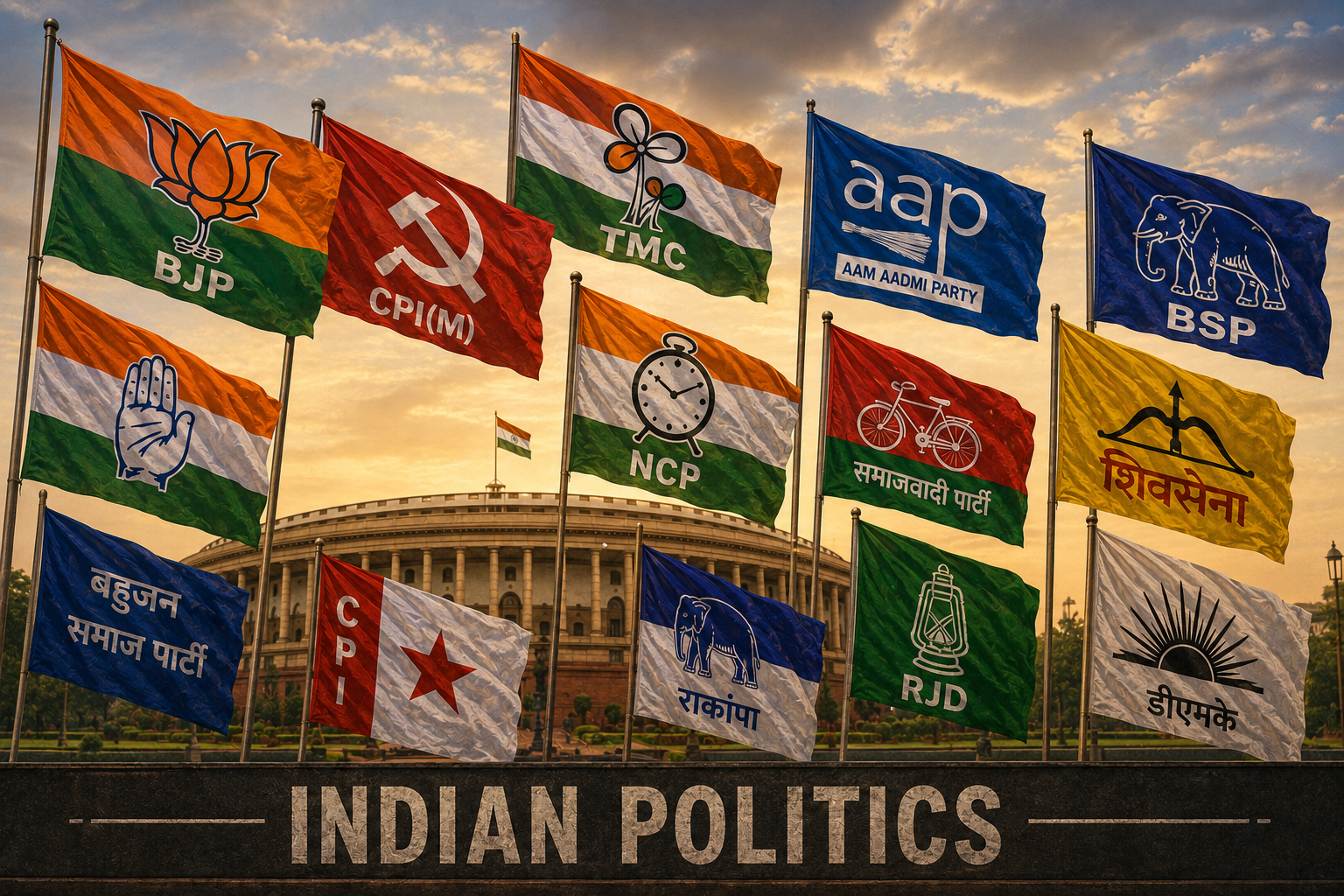
Twenty Trinamool Congress (TMC) rebel Members of Parliament have informed Lok Sabha Speaker Om Birla of their intent to merge with an undisclosed, relatively unknown party, aiming to secure separate seating. This move has triggered a major political confrontation, with TMC leader Abhishek Banerjee asserting to the Speaker that the legislative party's identity is intrinsically linked to the political party, thus challenging the rebels' claim to a separate existence and complicating the parliamentary landscape. The development signals a significant internal crisis for the Trinamool Congress.
In-Depth Analysis
Asignificant political drama is unfolding in the Indian Parliament as twenty rebel Members of Parliament (MPs) from the Trinamool Congress (TMC) have formally notified Lok Sabha Speaker Om Birla of their intention to merge with a relatively unknown political entity. This audacious move, communicated to the Speaker on Sunday, is accompanied by a request for separate seating arrangements within the Lok Sabha chamber, signaling a clear defiance of their parent party.
The rebels' strategy, reportedly exploring a 'Tripura route' for this merger, aims to potentially align with an ally of the ruling National Democratic Alliance (NDA), though the specific party remains unnamed in public disclosures. This action by a substantial bloc of TMC MPs—twenty strong—represents a profound internal challenge to the Trinamool Congress, potentially altering its strength and influence in the lower house of Parliament.
In response to this development, Trinamool Congress leader Abhishek Banerjee has proactively engaged with Speaker Birla, articulating a firm stance against the rebels' claims. In a letter to the Speaker, Banerjee emphasized that the existence of a legislative party in the Lok Sabha is inextricably linked to and derived from its political party. He argued forcefully that under established parliamentary conventions and constitutional provisions, there can only be one recognized legislative party representing a single political party. This assertion directly counters the rebel MPs' attempt to establish a separate identity or facilitate a merger that might bypass or dilute the Trinamool Congress's official recognition.
The legal and constitutional implications of the rebel MPs' move are substantial, particularly concerning the Tenth Schedule of the Indian Constitution, commonly known as the Anti-defection Law. This law dictates the conditions under which an MP can be disqualified for defection. A key provision within this schedule allows for the merger of legislative parties, but it typically requires at least two-thirds of the members of a legislative party to agree to merge with another political party. The rebel MPs' notification to the Speaker will necessitate a thorough examination of whether their actions meet these stringent criteria or if they constitute a split that could lead to disqualification.
Speaker Om Birla's role in this unfolding scenario is pivotal. He is now tasked with evaluating the legality and constitutional validity of the rebel MPs' notification and their request for separate seating. This will likely involve careful deliberation, potentially seeking legal opinions, and hearing arguments from both the rebel faction and the official Trinamool Congress party. The Speaker's decision will not only determine the fate of these twenty MPs but could also set significant precedents for party splits and mergers in the Indian parliamentary system.
The political ramifications for the Trinamool Congress are immense. Losing twenty MPs would significantly diminish its presence and voice in the Lok Sabha, impacting its ability to effectively challenge the government and pursue its legislative agenda. Such a large-scale defection or merger also highlights internal discontent and could lead to further political instability within the party, especially in its home state of West Bengal. For the ruling NDA, if the merger materializes with an allied party, it could marginally bolster their numbers and perceived strength in Parliament, even if the new entity remains 'unknown' to a broader audience.
This episode underscores the delicate balance of power within India's parliamentary democracy and the constant interplay between party discipline, individual MP autonomy, and constitutional safeguards against defection. The coming days will be crucial as all eyes turn to the Lok Sabha Speaker's office for a decision that will undoubtedly have far-reaching political consequences. The Trinamool Congress, under scrutiny and facing internal revolt, finds itself at a critical juncture, navigating a complex legal and political battle to preserve its integrity and parliamentary standing.
How do you feel about this story?
Discussion
No comments yet. Be the first to share your thoughts.
Join the discussion
Sign in to share your thoughts on this story.