BNN Summary
The future trajectory of India's opposition alliance, the INDIA bloc, hinges critically on its ability to foster internal unity, invigorate grassroots movements, and mount a determined defense of India's constitutional democracy. Facing formidable challenges, the bloc aims to present a cohesive alternative vision by addressing socio-economic disparities and strengthening democratic institutions, ultimately seeking to reshape the nation's political landscape.
In-Depth Analysis
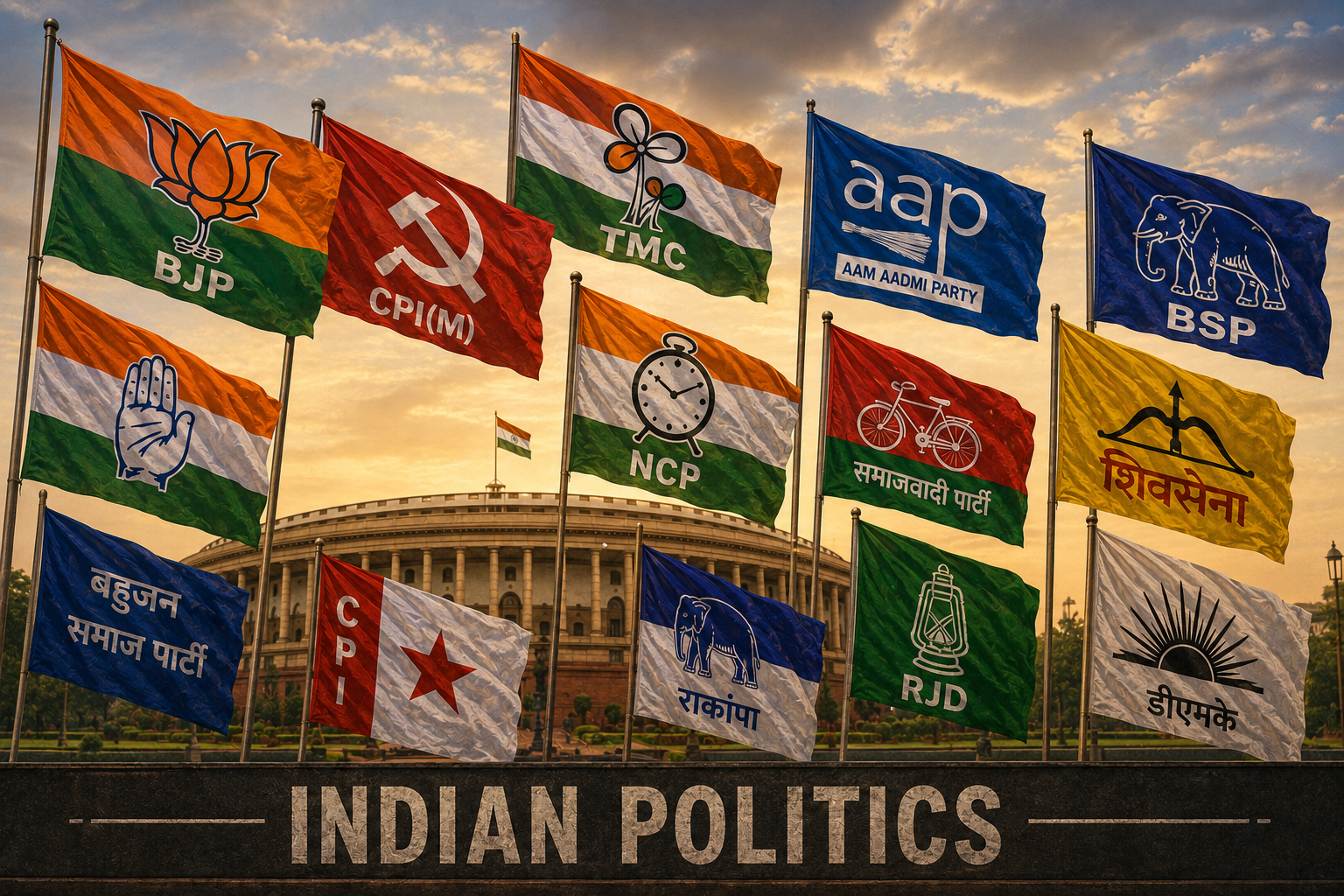
The Indian National Developmental Inclusive Alliance (INDIA) bloc, a significant coalition of opposition parties, finds itself at a pivotal juncture in India's political narrative. Formed with the express aim of presenting a united front against the incumbent government, the bloc's sustained relevance and future success are intrinsically linked to three core pillars: unwavering unity among its diverse constituents, robust engagement through grassroots struggles, and a renewed, emphatic commitment to safeguarding India's constitutional democracy. The journey ahead demands not just electoral strategy but a fundamental reimagining of its purpose and operational framework.
Achieving and maintaining internal unity within the INDIA bloc remains arguably its most formidable challenge and its greatest imperative. Comprising a multitude of regional and national parties, each with distinct ideological leanings, electoral priorities, and regional strongholds, the bloc has frequently grappled with issues of cohesion. Past experiences of coalition politics in India have underscored that while alliances can be potent, their fragility often lies in their inability to reconcile divergent interests, particularly during critical moments such as seat-sharing negotiations for general and state elections. For the INDIA bloc to evolve from a collection of parties into a truly integrated political force, it must devise robust mechanisms for consensus-building, conflict resolution, and equitable power-sharing. This requires extraordinary political will and a spirit of compromise from all member parties, prioritizing the broader collective objective over individual party aspirations or regional dominance.
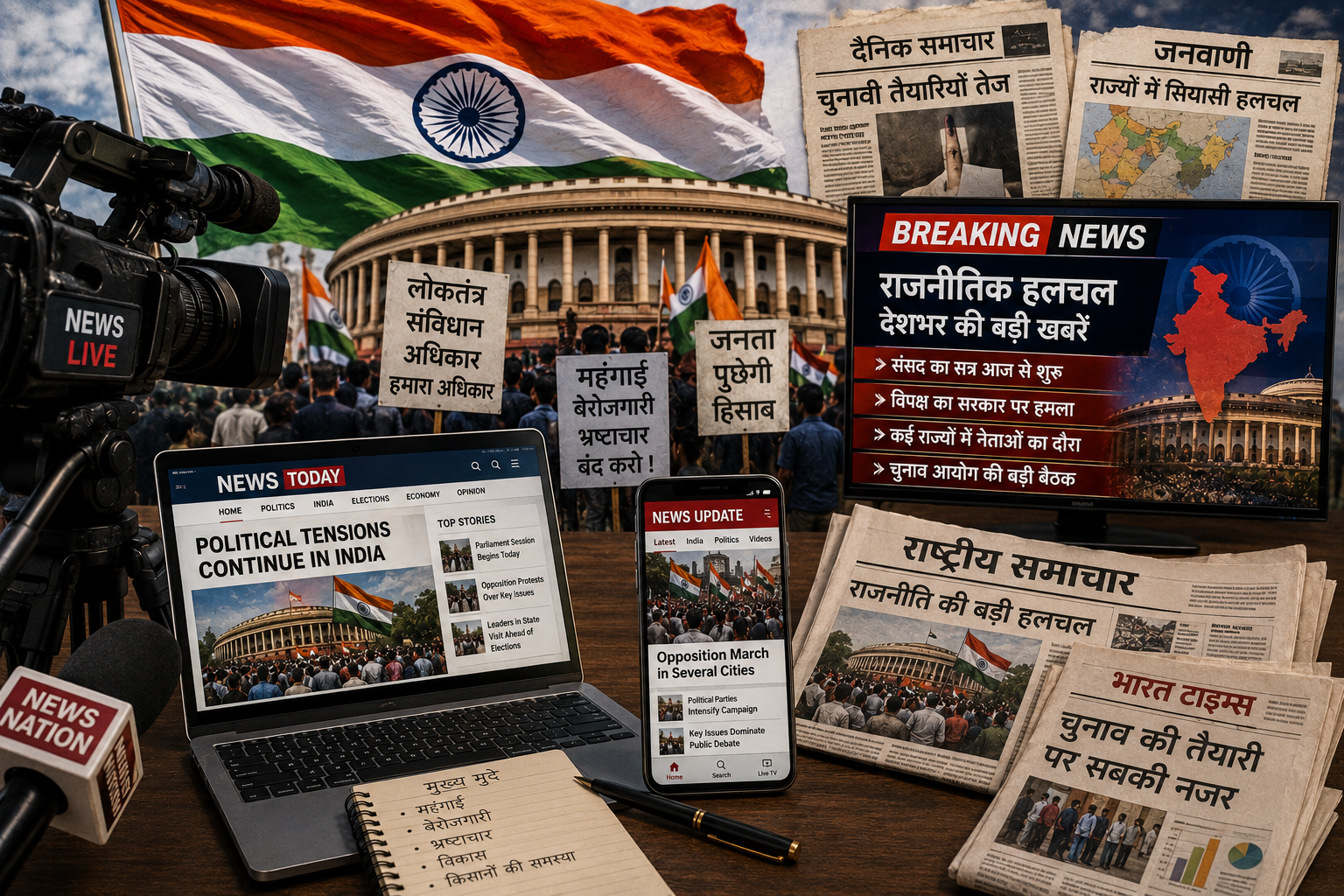
Beyond parliamentary maneuvers and electoral calculations, the future of the INDIA bloc is inextricably tied to its ability to mobilize and energize citizens through sustained grassroots struggles. A significant criticism leveled against many opposition entities is their perceived disconnect from the everyday realities and grievances of the common populace. To effectively counter this, the INDIA bloc must move beyond urban-centric debates and engage directly with communities at the village and district levels. This involves championing issues that resonate deeply with citizens, such as economic inequality, unemployment, agrarian distress, social justice, and the delivery of essential services. By actively participating in and leading local movements, addressing specific community concerns, and providing platforms for public discourse, the bloc can rebuild trust and cultivate a broad base of support that transcends traditional party lines. Such grassroots engagement is not merely about garnering votes; it is about establishing a credible presence and demonstrating a tangible commitment to public welfare.
Central to the INDIA bloc's self-proclaimed mission is the protection of India's constitutional democracy. This aspect forms the ideological bedrock upon which the alliance seeks to differentiate itself and rally public support. The bloc's constituents frequently articulate concerns regarding the perceived weakening of democratic institutions, the erosion of federal principles, challenges to freedom of speech, and threats to the secular fabric of the nation. To effectively champion these values, the INDIA bloc must not only voice these concerns but also offer concrete proposals and demonstrate a clear alternative vision for governance that respects institutional autonomy and upholds fundamental rights. This involves advocating for reforms, fostering public awareness about constitutional principles, and actively resisting any measures perceived to undermine the democratic framework. Their commitment must extend to ensuring transparency, accountability, and the equitable application of the law, thereby reinforcing faith in the democratic process.
In essence, the 'reimagining' of the INDIA bloc is not merely a strategic rebranding; it is a profound call for introspection and transformation. It requires the alliance to transcend its current limitations and emerge as a unified, action-oriented force deeply rooted in the aspirations of the Indian people and firmly committed to the nation's constitutional ethos. The path is fraught with significant challenges, including overcoming internal ideological contradictions, navigating the formidable organizational and financial might of its political adversaries, and effectively communicating a coherent message to a diverse electorate. However, by steadfastly adhering to the principles of unity, fostering robust grassroots engagement, and unequivocally upholding constitutional democracy, the INDIA bloc seeks to not only resist the prevailing political narrative but also to offer a compelling vision for India's renewal, potentially reshaping the country's political future.
How do you feel about this story?
Discussion
No comments yet. Be the first to share your thoughts.
Join the discussion
Sign in to share your thoughts on this story.