BNN Summary
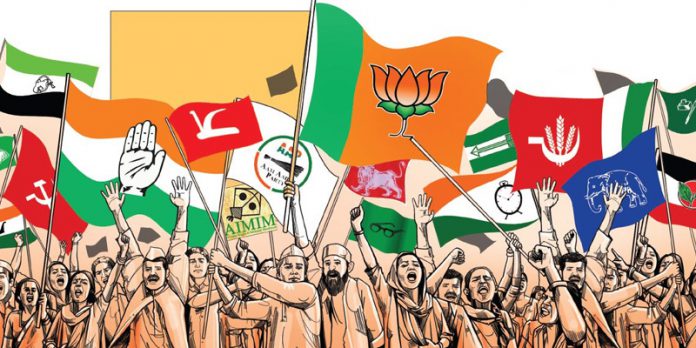
Senior Congress leader Jairam Ramesh has launched a scathing attack on Union Home Minister Amit Shah, accusing him of actively attempting to dismantle and weaken the Opposition. Ramesh alleges that Shah is employing 'mind-boggling' incentives and political maneuvering to poach elected representatives from anti-BJP parties, thereby 'wrecking Indian democracy' to secure a two-thirds majority for the BJP-led NDA. These accusations follow a significant parliamentary setback for the government earlier this year regarding a delimitation bill.
In-Depth Analysis
The political landscape in India is currently marked by sharp accusations from the Congress party, whose senior leader, Jairam Ramesh, has explicitly targeted Union Home Minister Amit Shah. Ramesh claims that Shah is orchestrating a concerted and 'wholly cynical campaign' aimed at fragmenting and debilitating opposition parties, ultimately to 'wreck Indian democracy'. The Congress leader alleges that these efforts involve offering 'mind-boggling' incentives to opposition members, particularly those elected on strong anti-BJP platforms, to entice them to switch allegiance and join the Bharatiya Janata Party (BJP).
These serious allegations come in the wake of a perceived parliamentary defeat for the ruling National Democratic Alliance (NDA) on April 17, 2026. On this date, the government reportedly failed to secure the necessary two-thirds majority to pass a crucial Constitution Amendment Bill related to delimitation in the Lok Sabha. Ramesh asserted that Shah, whom he sarcastically referred to as a 'self-styled Chanakya', was 'humiliated' by this setback and is now desperately trying to 'engineer a two-third majority for his party in the Lok Sabha' ahead of the upcoming Monsoon Session of Parliament.
The Congress General Secretary in-charge of communications highlighted that such alleged political manoeuvring constitutes a direct attempt to compensate for this parliamentary 'humiliation'. He further stated that Shah's 'onslaught on the Opposition' is designed to undermine the democratic process by weakening the checks and balances inherent in a multi-party system. Ramesh's remarks were amplified amidst growing speculation about defections, particularly from the Trinamool Congress (TMC) and the Shiv Sena (UBT) in Maharashtra. Reports indicated that some dissident TMC MPs intended to meet the Lok Sabha Speaker to claim recognition as the 'real TMC', with one rebel MP claiming support from 19 Lok Sabha members. Similarly, Shiv Sena (UBT) leader Sanjay Raut alleged that 'an advance of Rs 15 crore' was being offered to facilitate defections among Maharashtra MPs, calling it 'shocking and disgusting'.
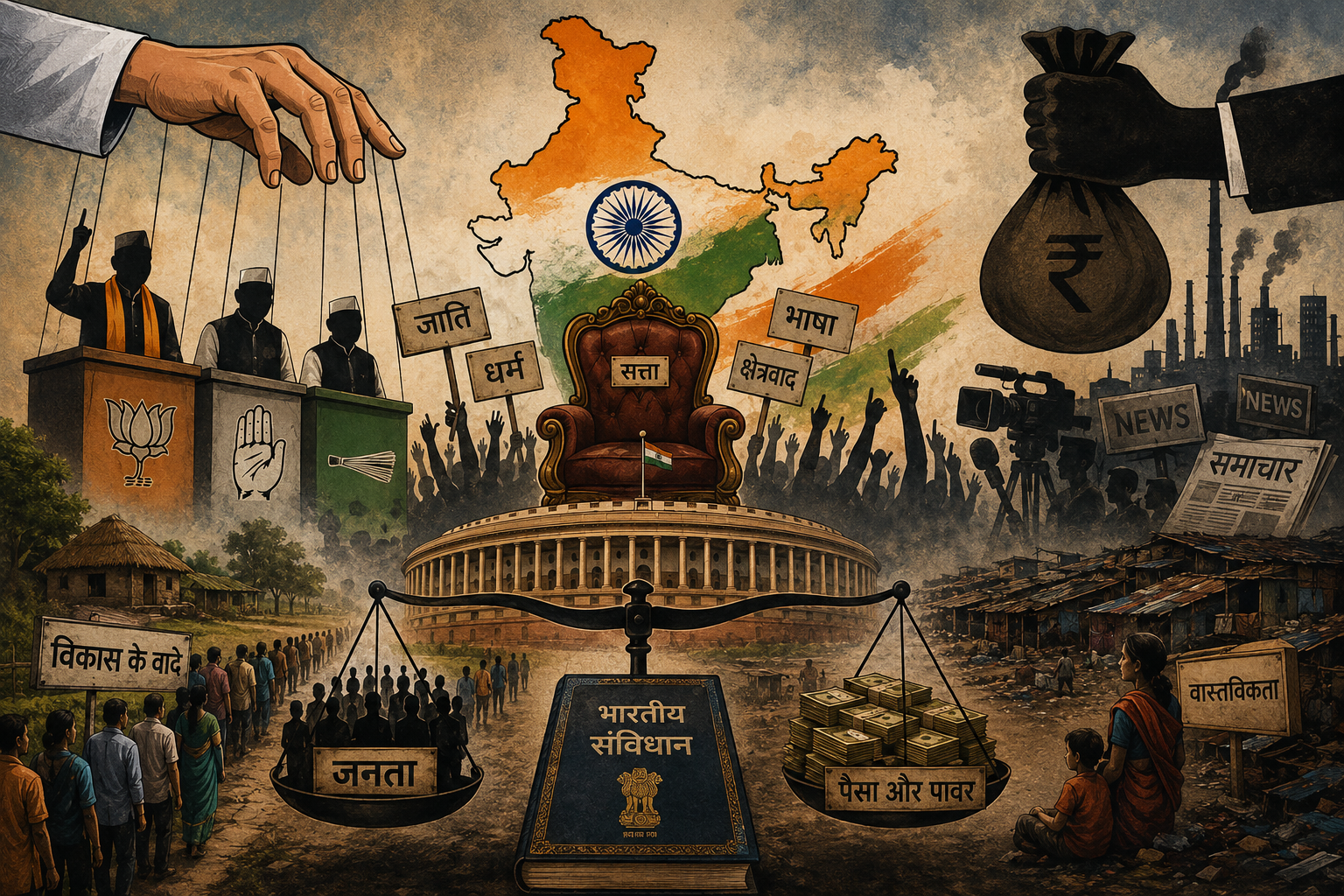
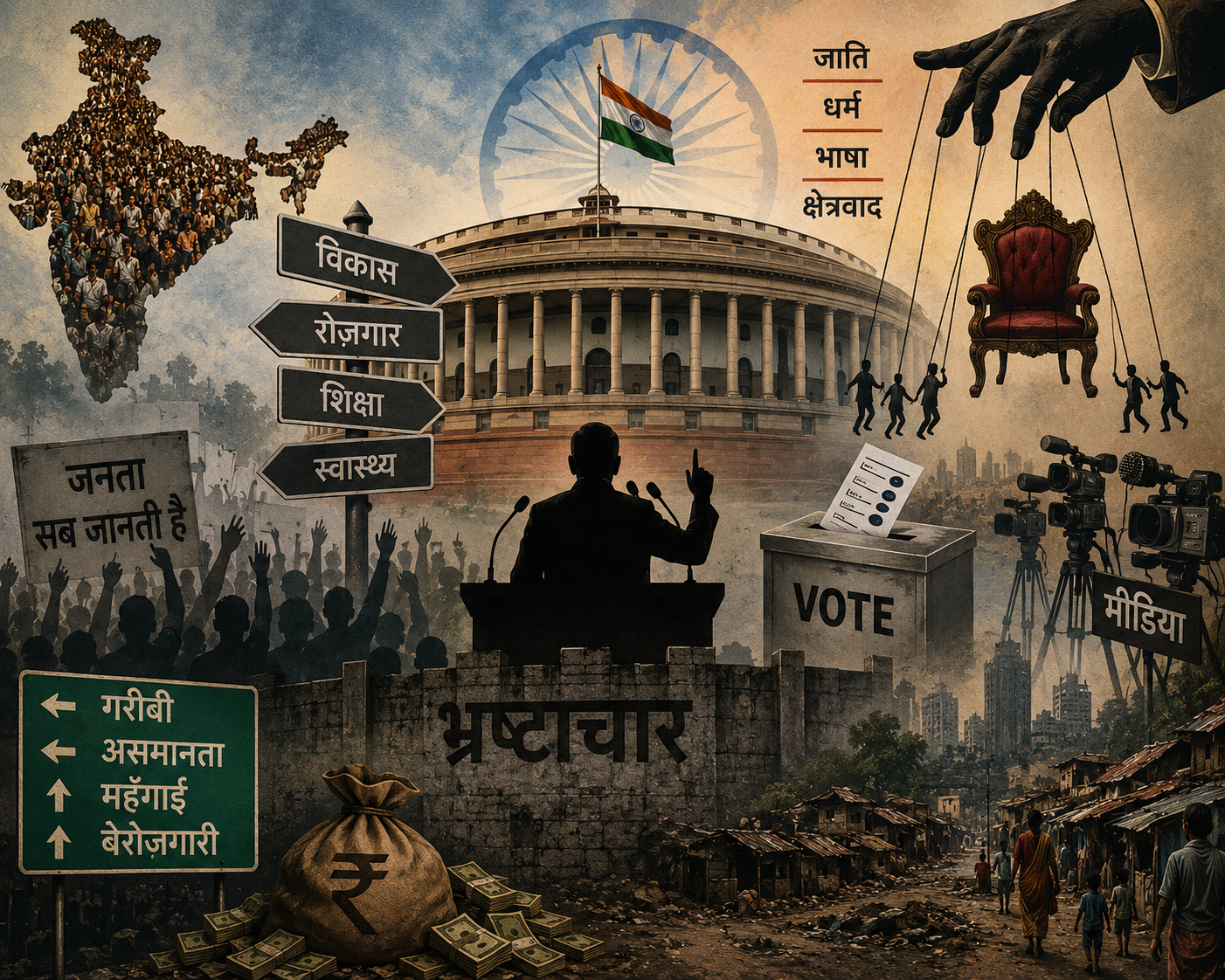
The broader implications of these accusations touch upon the foundational principles of Indian democracy. A strong and vigilant opposition is widely considered indispensable for a healthy democratic system. It ensures governmental accountability, transparency, and balanced governance by critically examining policies, expenditures, and legislative actions. A robust opposition also plays a vital role in providing alternative policies, fostering robust debate in Parliament, safeguarding minority interests, and acting as a crucial check on potential abuses of power.
Conversely, a weakened opposition can lead to several adverse consequences for a democracy. These include a decline in parliamentary effectiveness, where meaningful debates and discussions diminish, potentially leading to poor policymaking. It can also contribute to the rise of majoritarian rule, where the government's policies go largely unchecked, and governance becomes less democratic and more centralized. When the opposition is fragmented or suppressed, there is a risk of public issues being neglected, and a disconnect emerging between the government and the common people. Experts have noted that the weakening of democratic institutions, checks and balances, and the marginalization of parliamentary committees are indicators of democratic backsliding, often seen when one party becomes excessively dominant.
Jairam Ramesh's strong condemnation underscores the Congress party's view that Shah's alleged actions are not merely political maneuvering but a deliberate strategy to subvert democratic norms. Ramesh affirmed, 'The fight is on. His evil designs must not and will not succeed,' indicating a resolve among opposition parties to resist these alleged attempts to undermine democratic institutions and parliamentary processes. The Congress and other opposition parties contend that such actions, if true, represent a dangerous erosion of democratic traditions, making it imperative to safeguard the role and rights of the opposition for the smooth functioning of India's parliamentary democracy.
How do you feel about this story?
Discussion
No comments yet. Be the first to share your thoughts.
Join the discussion
Sign in to share your thoughts on this story.