BNN Summary
Leader of the Opposition Rahul Gandhi declared that the Congress party does not need the Indian State's neutrality to function, urging the INDIA bloc to unite in resistance against what he termed 'electoral autocracy'. Speaking at a recent alliance meeting, Gandhi emphasized that public anger is high and called for a shift from traditional politics to a sustained movement of resistance to counter the ruling BJP's perceived tightening grip on state institutions and ensure free and fair elections.
In-Depth Analysis
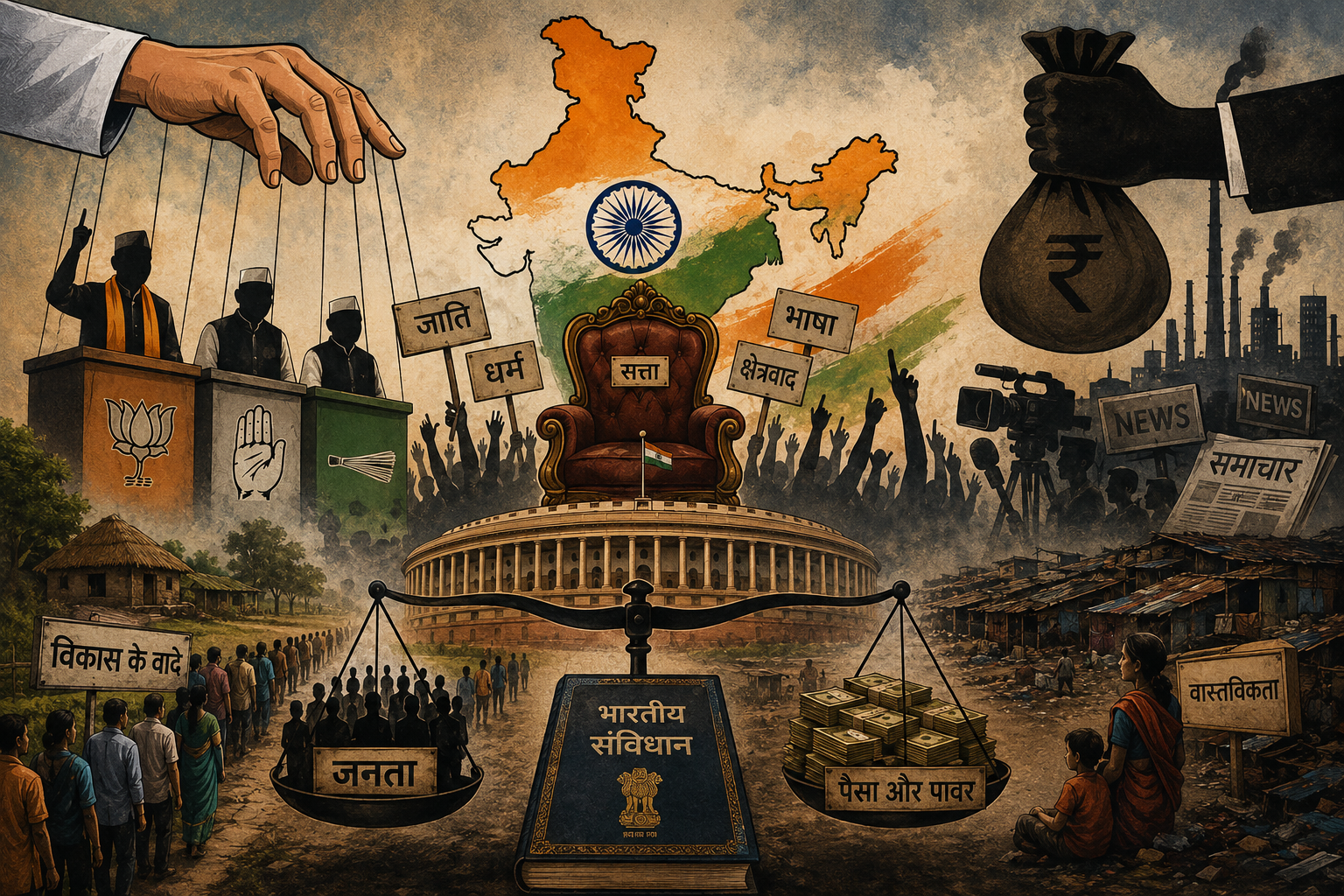
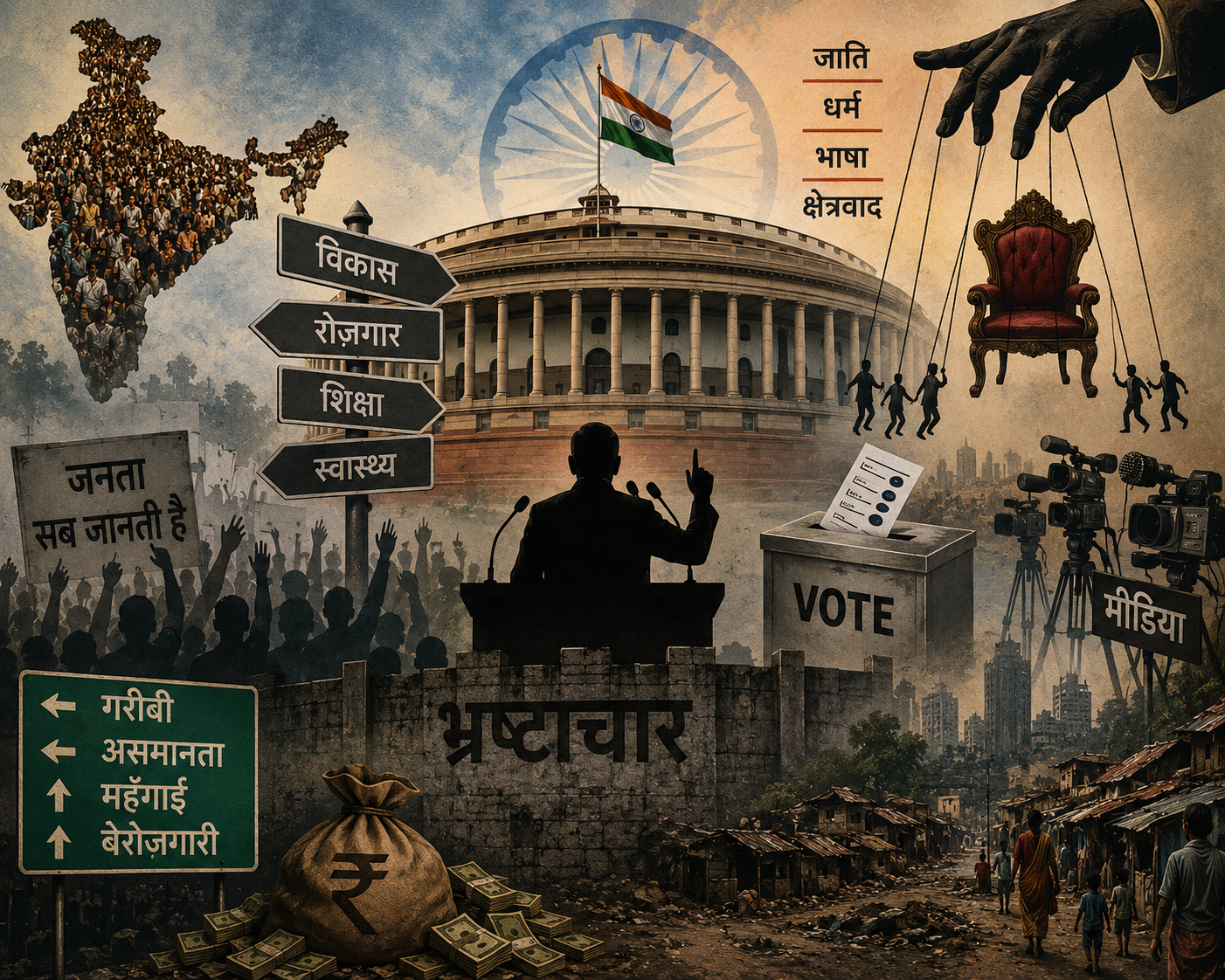
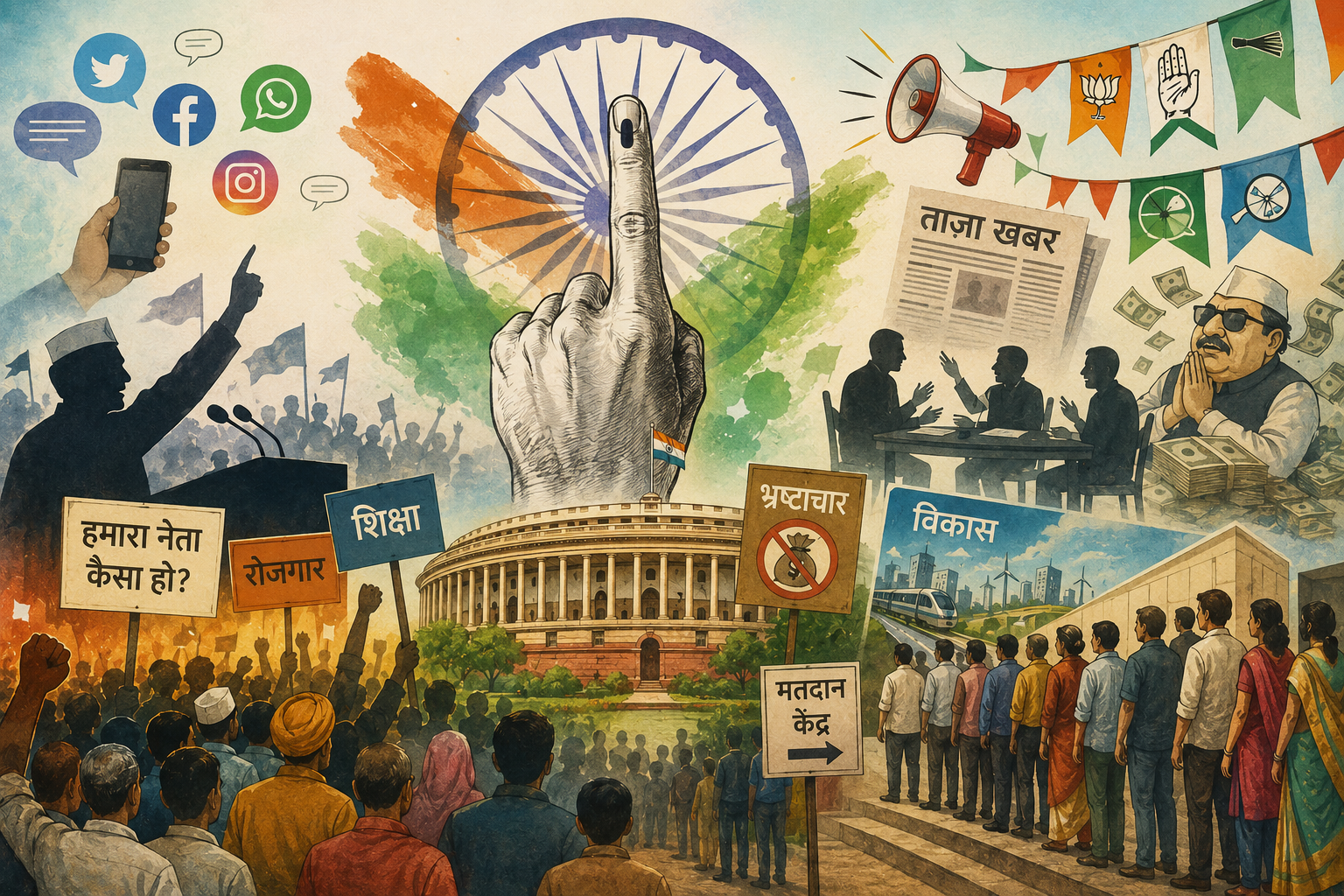
Leader of the Opposition (LoP) in the Lok Sabha, Rahul Gandhi, recently delivered a powerful address to the Indian National Developmental Inclusive Alliance (INDIA) bloc, asserting that the Congress party does not require the 'neutrality of the Indian State' to operate. His remarks, made during a closed-door meeting of the INDIA bloc on June 9 and later released to the public on June 12, 2026, underscored a strategic shift for the opposition: from conventional electoral politics to a broad-based 'resistance movement' against what he described as a creeping 'electoral autocracy'.
Gandhi framed the Congress as an inherent 'resistance movement' in light of the Bharatiya Janata Party (BJP) and the Rashtriya Swayamsevak Sangh (RSS) allegedly tightening their control over the Indian State's institutions. This, he argued, renders traditional political tools increasingly ineffective. 'If political parties can't function, what functions? Resistance functions. Resistance works. Wherever we resist, it works,' Gandhi stated, citing his 4,000-kilometer Bharat Jodo Yatra as evidence of the power of sustained public mobilization.
The Congress leader stressed that the challenge facing the INDIA bloc extends beyond merely winning the next election. He contended that there is 'so much anger among the people of India that the next election is already over,' but the core issue lies in 'the capture of the instruments of the Indian state by the RSS.' According to Gandhi, this capture prevents the possibility of a 'free and fair election to win,' highlighting concerns about democratic backsliding in India.
These concerns were further amplified by the Congress party's intensified attack on the BJP and the Election Commission of India (ECI) on Friday, June 12, 2026. The party alleged collusion in the recent Rajya Sabha elections, specifically pointing to the rejection of senior Congress leader Meenakshi Natarajan's nomination in Madhya Pradesh. The Congress described this as a deliberate attempt to enable the BJP to secure a third Upper House seat despite lacking the necessary legislative numbers. They called the BJP and EC 'partners in crime' and the incident 'seat chori,' or seat theft, arguing that Natarajan's nomination was rejected on 'flawed and unreasonable' logic, while a BJP-backed candidate received more lenient treatment in Jharkhand.
The party's press statement highlighted the contrast between Natarajan, described as 'coming from an ordinary family and representing the values of the Constitution,' and another candidate, characterized as 'a billionaire friend of the Prime Minister and a representative of corporate interests.' The Congress further criticized the ECI for its perceived inaction after a delegation presented its case on June 10, alleging that the poll body failed to intervene despite being aware of the controversy.
Gandhi urged the INDIA bloc allies to discard internal differences and foster unity, acknowledging criticism directed at the Congress but invoking the 'Shaiva tradition' of swallowing poison to maintain coalition cohesion. He emphasized that unity and a shared commitment to 'defending the idea of India' are paramount. He encouraged allies to adopt a mindset of mutual support, stating, 'The mindset must now be: we will not fight each other. We will not give the press a chance to attack us. We will resist.'
To combat the perceived erosion of democratic institutions, Gandhi outlined a strategy of active resistance, citing examples like addressing issues such as the Central Board of Secondary Education (CBSE), the National Eligibility cum Entrance Test (NEET), and environmental concerns like the Great Nicobar project. He concluded with an optimistic outlook, expressing confidence that despite challenges, the BJP would fall 'state after state, election after election, whether they cheat or don't cheat.' This call to action signifies a fundamental reorientation of the opposition's strategy, moving towards sustained public mobilization and direct challenges to government policies and institutions as the primary means of safeguarding democratic principles.
How do you feel about this story?