BNN Summary
Congress leader Rahul Gandhi has reportedly cautioned the I.N.D.I.A. bloc leaders against succumbing to the ruling BJP's narrative, asserting that elections are '100% being stolen'. His remarks underscored the critical need for enhanced unity among opposition parties to effectively challenge the government's influence and safeguard democratic principles. Gandhi's statement highlights ongoing concerns within the opposition regarding electoral fairness and the perceived dissemination of propaganda.
In-Depth Analysis
In a significant address to leaders of the I.N.D.I.A. (Indian National Developmental Inclusive Alliance) bloc, Congress stalwart Rahul Gandhi delivered a stark warning, urging them not to 'fall for BJP’s propaganda' and making a contentious claim that '100% elections are being stolen.' This assertive stance by Gandhi signals a determined effort by the principal opposition party to galvanize its allies and present a united front against the Bharatiya Janata Party (BJP) ahead of future electoral contests.
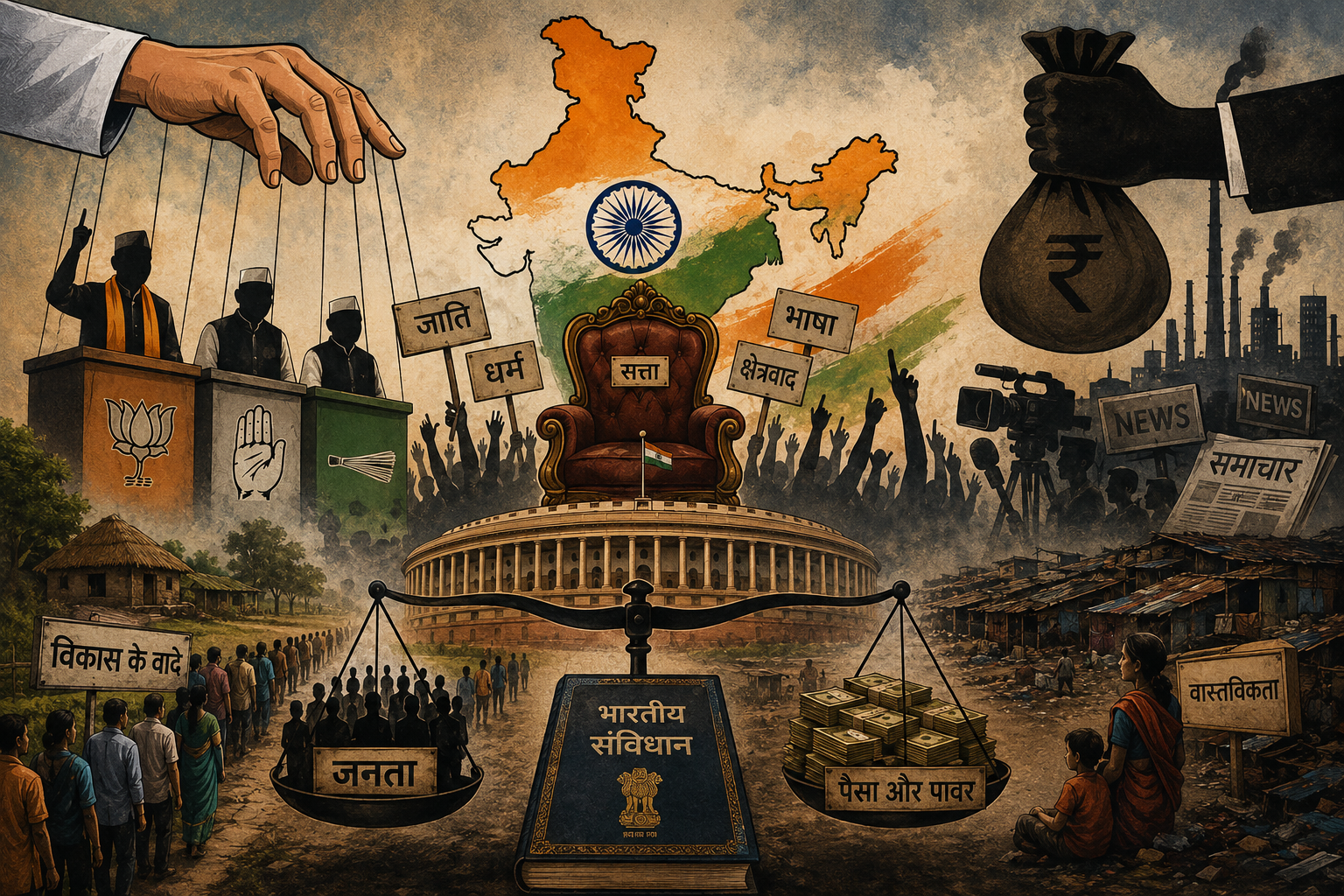
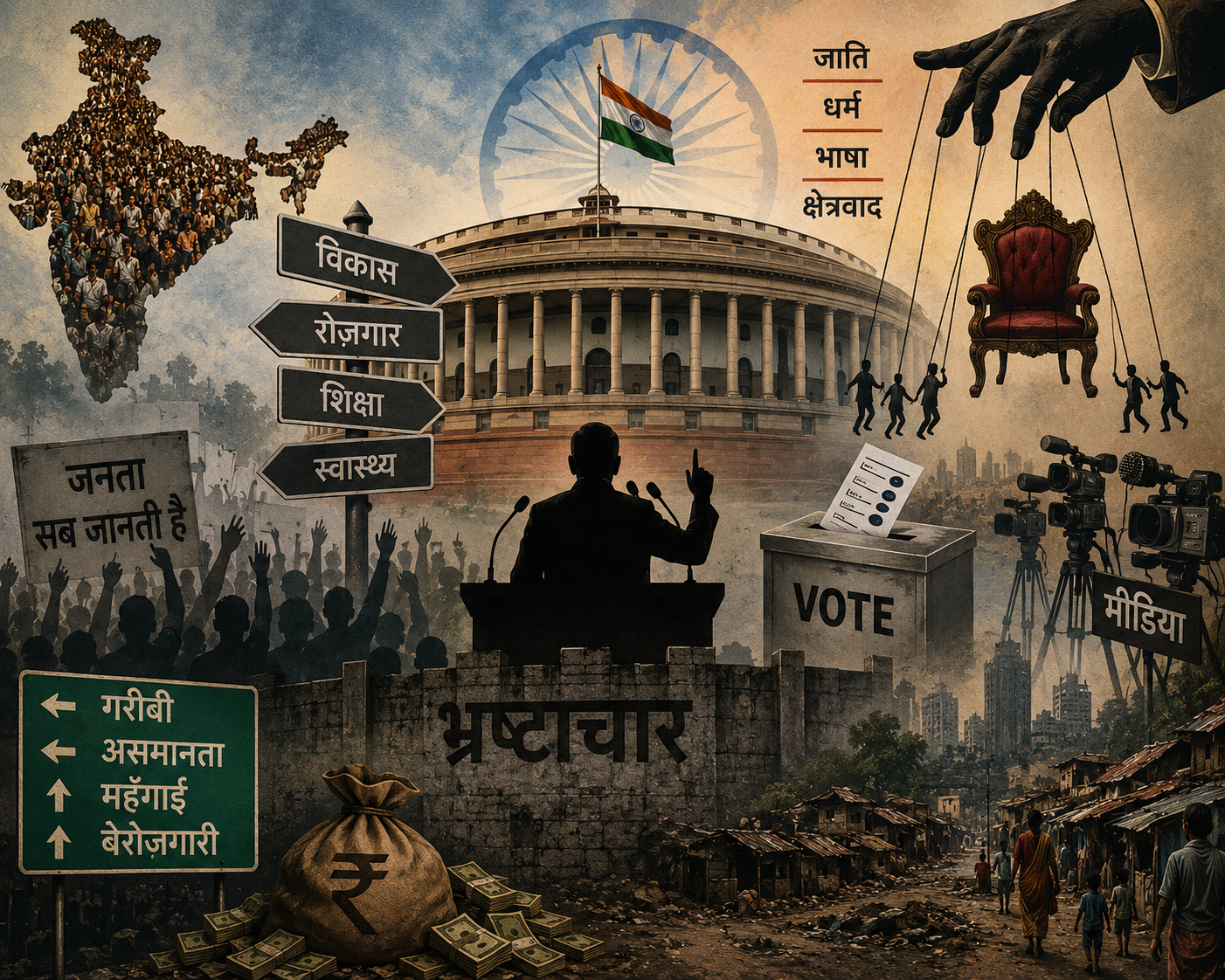
Gandhi's comments, reported from a meeting of the I.N.D.I.A. bloc, underscore deep-seated anxieties within the opposition regarding the integrity of India's electoral processes. While the specific context or evidence for the '100% elections are being stolen' claim was not detailed in the available report, such statements typically allude to concerns around electronic voting machines (EVMs), alleged misuse of state machinery, media bias, and campaign finance. These issues have periodically been raised by various opposition parties across India, fueling debates about electoral transparency and fairness. The Election Commission of India has consistently defended the integrity of EVMs and the electoral process.
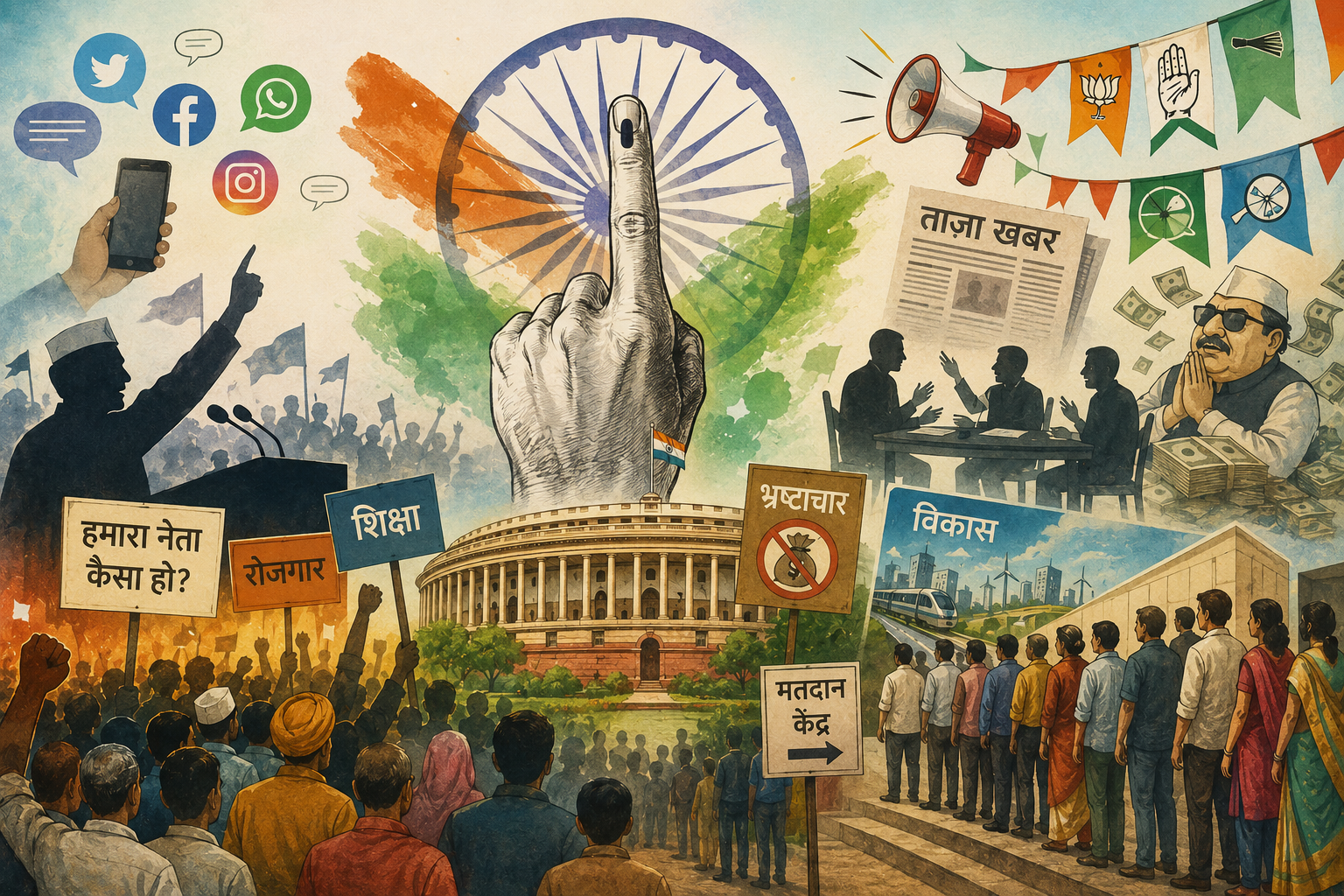
Beyond the direct accusation, Gandhi's core message to the alliance was a call for greater internal cohesion. The I.N.D.I.A. bloc, formed as a formidable coalition of diverse opposition parties, aims to collectively challenge the BJP's dominance in national politics. However, the alliance has faced its share of challenges, including internal disagreements, varying regional priorities, and the constant pressure of a well-resourced and electorally successful ruling party. Gandhi's emphasis on not falling for BJP's 'propaganda' suggests a recognition within the bloc that the narrative war is as crucial as the ground-level electoral battle. Political propaganda, in the Indian context, often involves extensive social media campaigns, leveraging mainstream media, and projecting a strong, unified image of the ruling dispensation while highlighting divisions or weaknesses within the opposition.
The implications of Gandhi's statements are multi-faceted. Firstly, they aim to boost the morale of the opposition ranks, reaffirming their shared skepticism towards the ruling party's narratives and electoral victories. Secondly, by explicitly mentioning 'stolen elections', the I.N.D.I.A. bloc might be attempting to lay the groundwork for a broader public discourse on electoral reforms and accountability. This strategy could also be interpreted as an effort to mobilize voters who may share similar concerns, thereby consolidating an anti-establishment sentiment.
Historically, allegations of electoral malpractices are not uncommon in democratic systems, and India is no exception. However, the gravity of a senior leader claiming '100% elections are being stolen' is significant. It places direct scrutiny on the institutions responsible for conducting elections and managing public information. The BJP, on its part, has consistently dismissed such allegations as sour grapes from a losing opposition, often highlighting the transparency and robustness of the Indian electoral system.
The I.N.D.I.A. bloc’s success hinges significantly on its ability to present a unified vision and strategy to the electorate. Gandhi’s exhortation for greater unity and vigilance against 'propaganda' is thus a critical directive for the alliance. It implies a need for stronger internal communication, coordinated public messaging, and perhaps a more robust mechanism to counter what they perceive as misinformation or biased narratives propagated by the ruling party and its affiliates. As India approaches future elections, the rhetoric surrounding electoral integrity and political narratives is set to intensify, making such calls for unity and strategic resistance from the opposition all the more crucial for shaping the political discourse.
How do you feel about this story?