BNN Summary
Prime Minister Narendra Modi recently received a standing ovation from the Union Cabinet and widespread praise from NDA leaders, who hailed his leadership at a key conclave. Celebrations, including 'pooja-aartis,' were held across the country by BJP members and supporters. This outpouring of support and international congratulatory messages came even as the Congress party launched a scathing attack, labeling Modi a 'millstone around India's neck' and accusing him of 'presiding over the murder of democracy.
In-Depth Analysis
New Delhi witnessed a striking display of political solidarity and contrasting sentiments as Prime Minister Narendra Modi's leadership garnered significant acclaim from within his government and alliance, while simultaneously facing fierce criticism from the opposition. The Union Cabinet meeting became a focal point for this support, where Prime Minister Modi received a rare and emphatic standing ovation from his ministers, a clear signal of robust internal endorsement for his governance and vision. This gesture followed a period of intense national activity and legislative deliberation, underscoring the unity within the government ranks.
Beyond the cabinet, congratulatory messages poured in from various world leaders, acknowledging India's growing stature on the global stage and Modi's role in its international engagements. These messages often highlighted India's diplomatic initiatives, economic growth, and its contributions to global issues, reinforcing the perception of a leader whose policies resonate beyond national borders.
Further cementing this narrative of strong leadership, the 12th anniversary conclave of the ruling National Democratic Alliance (NDA) served as a platform for allied leaders to unequivocally laud Prime Minister Modi. A light-hearted yet symbolic moment from this conclave involved Modi sharing 'jhalmuri,' a popular Indian street snack, with alliance leaders. This act, while informal, was widely interpreted as a message of humility, camaraderie, and unity, aiming to project an image of an approachable leader fostering strong bonds among his diverse political partners. Political observers suggested this gesture aimed to humanize the political process and highlight a collaborative spirit within the coalition. The discussions at the conclave typically reinforced the government's accomplishments, future strategic objectives, and the collective strength of the NDA under Modi's guidance, emphasizing a path of stability and progress.
Simultaneously, the nation observed widespread celebratory activities spearheaded by leaders and cadres of the Bharatiya Janata Party (BJP) and its allies. Across numerous states and cities, 'pooja-aartis' (prayer rituals) and other public ceremonies were organized. These events were frequently marked by large public gatherings, devotional songs, and overt expressions of support for the Prime Minister. These nationwide celebrations were framed as a reflection of public satisfaction with the government's performance and a collective offering of prayers for the nation's continued prosperity under Modi's stewardship. The visual impact of these events, extensively covered by media, contributed significantly to a narrative of popular endorsement and national cohesion around the incumbent leadership.
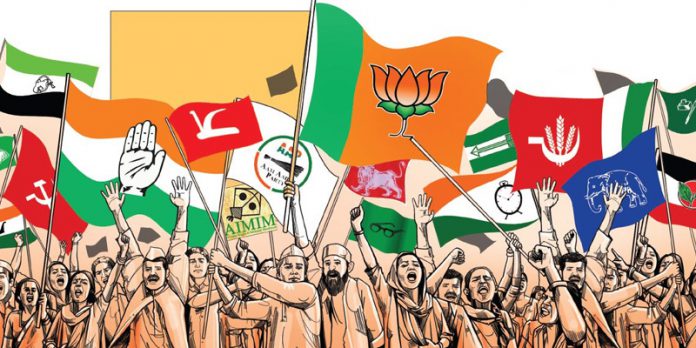
However, in stark opposition to this wave of praise and celebration, the principal opposition party, the Congress, launched a scathing attack on Prime Minister Modi. The Congress vehemently described him as a 'millstone around India's neck,' a powerful metaphor implying that his leadership is a burden hindering the nation's advancement. Furthermore, the party leveled severe accusations, stating that PM Modi was 'presiding over the murder of democracy,' a grave charge suggesting a profound erosion of democratic principles and institutions under his administration. These accusations were often accompanied by claims that the Prime Minister had passed a 'self-proclaimed and dubiously invented' leadership test, thereby challenging the legitimacy and substance of the praise he was receiving. The Congress's critique typically focused on issues such as alleged democratic backsliding, increasing economic disparities, social polarization, and what they perceived as an overly centralized style of governance. This strong opposition narrative highlighted the deep ideological and political chasm within the Indian political landscape, presenting a counter-perspective to the celebratory mood of the ruling alliance.
The contrasting narratives of widespread acclaim from the ruling coalition and the international community versus severe criticism from the opposition vividly underscore the intensely polarized political environment in India. While the NDA and its supporters emphasize achievements in governance, economic reforms, and India's enhanced global standing, the opposition consistently raises concerns about fundamental freedoms, institutional integrity, and socio-economic challenges. This dynamic sets the stage for ongoing political debates and electoral contests, where each side strives to shape public perception through divergent narratives of national progress and democratic health. The events of recent days thus provide a clear snapshot of India's vibrant, albeit contentious, democratic discourse, with significant implications for the nation's future trajectory.
How do you feel about this story?