BNN Summary
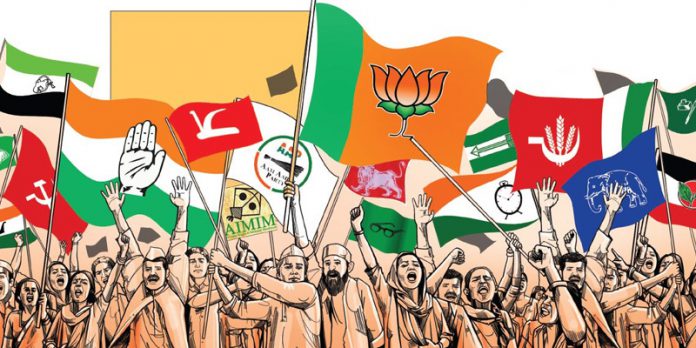
The Indian National Developmental Inclusive Alliance (INDIA) bloc convened a crucial meeting in New Delhi today to address growing internal dissent and 'cracks' within the coalition. The gathering at the Constitution Club aimed to forge a unified strategy and present a cohesive front, despite visible strains highlighted by absences and virtual participations. The meeting comes as the alliance faces sharp criticism from the BJP, which labeled it a 'corrupt dynastic coalition'.
In-Depth Analysis
New Delhi witnessed a pivotal gathering of the Indian National Developmental Inclusive Alliance (INDIA) bloc today at the Constitution Club, as the opposition coalition grappled with significant internal challenges. The high-stakes meeting was convened with the explicit goal of 'filling the cracks' that have emerged within the alliance, aiming to present a more unified and formidable front against the ruling Bharatiya Janata Party (BJP). The backdrop to this crucial meeting includes reported strains and recent electoral setbacks for key regional partners.
The alliance, formed with the ambitious objective of consolidating opposition votes ahead of upcoming national elections, has been facing considerable pressure. Reports indicate that 'absences and virtual participation expose strains within INDIA bloc', underscoring the difficulties in achieving complete consensus and physical attendance from all constituent parties. This visible lack of a fully cohesive presence at such a critical juncture signals the deep-seated issues that the bloc's leadership is striving to overcome.
The context of these internal stresses is further amplified by the performance of strong partners like the Trinamool Congress (TMC) and the Dravida Munnetra Kazhagam (DMK) in recent assembly polls. While the snippets do not detail the nature of these 'debacles', the reference in the title 'What's left for INDIA Bloc after strong partners TMC, DMK's debacle in assembly polls' suggests that these electoral outcomes have significantly contributed to the alliance's current predicament and the perceived weakening of its collective strength. Maintaining a 'unified approach' and a strong 'alliance face' remains paramount for the bloc's credibility and effectiveness.
Adding to the internal pressures, the INDIA bloc has been a constant target of criticism from the ruling BJP. On the very day of the meeting, senior BJP leader Boora Narsaiah Goud launched a scathing attack, lambasting the opposition front as a 'corrupt dynastic coalition'. Goud's remarks, made ahead of the meeting, specifically targeted Lok Sabha Leader of Opposition Rahul Gandhi, highlighting the BJP's strategy to delegitimize the alliance by focusing on perceived weaknesses and historical criticisms of dynastic politics. This external pressure further complicates the task for the INDIA bloc leaders as they seek to project an image of solidarity and purpose.
The meeting at the Constitution Club is therefore not merely a routine consultation but a critical exercise in coalition management and political strategy. The ability of the INDIA bloc to overcome these 'cracks' and strains will be a significant determinant of its viability and potential impact in the national political arena. Leaders are expected to discuss strategies for better coordination, seat-sharing arrangements, and a common minimum program that can resonate with the diverse electorate across India. The challenge lies in reconciling the individual political ambitions and regional priorities of its numerous constituents with the overarching goal of national opposition unity. The ongoing discussions are pivotal to demonstrating that the alliance can indeed forge a path forward despite its inherent complexities and the relentless criticism from its political adversaries.
Historically, coalition politics in India has often been fraught with challenges related to leadership, ideological differences, and power-sharing. The INDIA bloc's current predicament is reflective of these perennial issues, exacerbated by the strong electoral performance of the BJP in recent years. For the alliance to succeed, it must not only iron out its internal differences but also articulate a compelling alternative vision for governance that can counter the narrative put forth by the ruling party. The outcomes of such crucial meetings, while often behind closed doors, are closely watched by political analysts and the public alike, as they offer insights into the resilience and future trajectory of India's opposition landscape.
How do you feel about this story?