BNN Summary
The INDIA bloc is facing significant internal strife following its recent New Delhi meeting, drawing sharp criticism from the BJP. While Trinamool Congress (TMC) leader Mamata Banerjee signals strong commitment, the Dravida Munnetra Kazhagam (DMK) under M.K. Stalin appears to be charting an independent course. Further complicating matters, 20 TMC Members of Parliament have reportedly expressed interest in aligning with the BJP-led National Democratic Alliance, highlighting growing fissures within the opposition coalition.
In-Depth Analysis
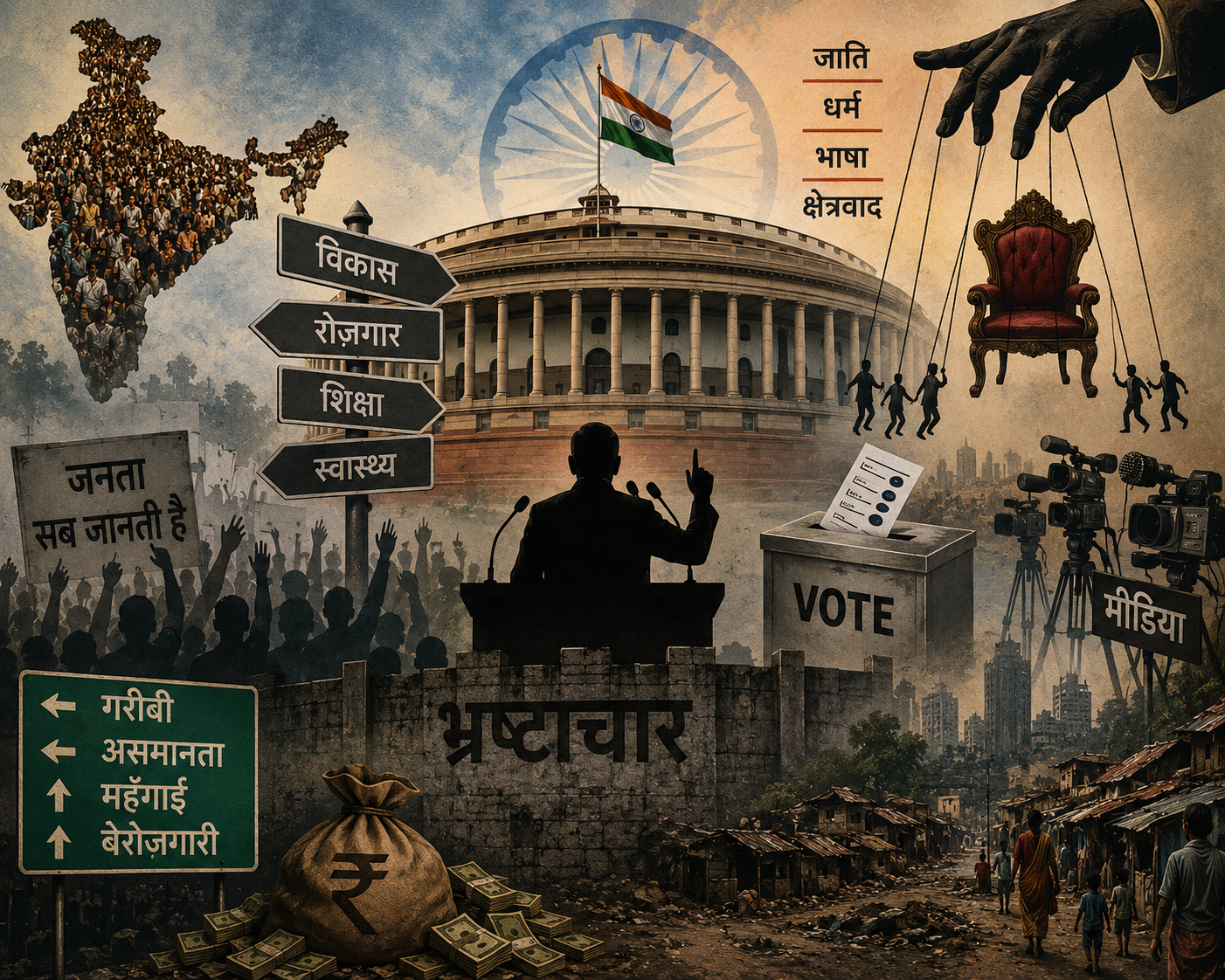
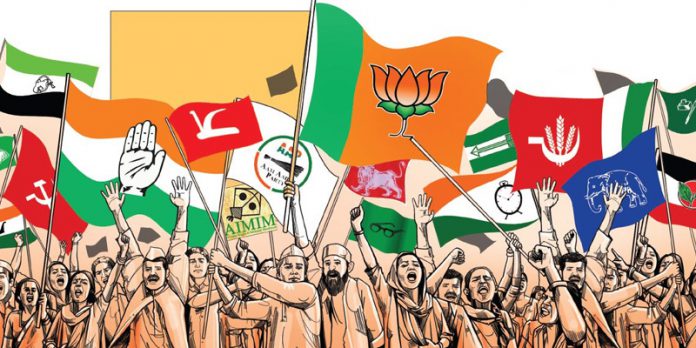
The INDIA bloc, a coalition of opposition parties aiming to challenge the ruling Bharatiya Janata Party (BJP), is currently navigating turbulent waters marked by internal disagreements and strategic divergences. A recent high-level meeting held at the Constitution Club in New Delhi on Monday served to underscore these challenges, prompting immediate and scathing criticism from the BJP, which derisively commented on the opposition alliance's seemingly diminishing numbers.
The BJP wasted no time in mocking the INDIA bloc, with one sardonic remark suggesting that 'meetings may soon be held in a car', implying a drastic reduction in the alliance's participant count and overall influence. This commentary highlights the ruling party's perception of the bloc's struggle to maintain a united front and project an image of cohesive strength against the well-entrenched National Democratic Alliance (NDA).
At the heart of the bloc's current predicament is the contrasting approaches of key regional leaders. West Bengal Chief Minister and Trinamool Congress (TMC) supremo Mamata Banerjee has outwardly projected a stance of being 'all in' with the INDIA bloc's objectives, signaling her party's commitment to the alliance's broader goals. However, this outward display of unity from a prominent member like the TMC is significantly undermined by a recent and alarming development within her own party. Reports indicate that at least 20 TMC Members of Parliament have submitted a letter to Lok Sabha Speaker Om Birla, explicitly expressing their desire to ally with the BJP-led NDA. This internal rebellion within the TMC casts a dark shadow over the party's ostensible dedication to the INDIA bloc and raises serious questions about the stability and loyalty of its constituent members. Such a move by a substantial number of MPs from a core alliance party represents a major blow to the INDIA bloc's credibility and its efforts to present a unified challenge to the BJP.
In stark contrast to Mamata Banerjee's declared 'all in' approach, Tamil Nadu Chief Minister M.K. Stalin, who leads the Dravida Munnetra Kazhagam (DMK), appears to be following an 'ekla chalo' or 'walk alone' path. While the specifics of this independent trajectory were not detailed in the immediate aftermath of the meeting, the phrase typically suggests a strategic decision by a party to prioritize its regional agenda and electoral calculations over full, unreserved integration into a national alliance's strategies. For a dominant regional party like the DMK, maintaining a distinct identity and focusing on state-specific issues can sometimes be seen as more beneficial, even while nominally being part of a larger national opposition front. This independent stance, coupled with the internal strife within the TMC, paints a picture of a bloc struggling with fundamental cohesion and a shared vision.
The implications of these internal divisions are profound for the INDIA bloc. The BJP's taunts are not merely rhetorical; they reflect a perceived vulnerability within the opposition. The defection of MPs, or even the expression of intent to defect, from a significant member party like the TMC directly weakens the bloc's numerical strength in Parliament and its overall negotiating power. Furthermore, divergent strategies among key leaders like Banerjee and Stalin complicate the formation of a unified campaign narrative and seat-sharing arrangements, which are crucial for any effective electoral alliance.
As the next general elections loom, the INDIA bloc faces an uphill battle. It must urgently address these internal fissures, foster a stronger sense of shared purpose, and present a more unified and coherent front to counter the BJP's narrative of a fragmented and ineffective opposition. The 'ekla chalo' approach by some, and the open rebellion by others, threaten to derail the bloc's ambitions before they can truly gather momentum, leaving them susceptible to further erosion and external pressure from the ruling party.
How do you feel about this story?