BNN Summary
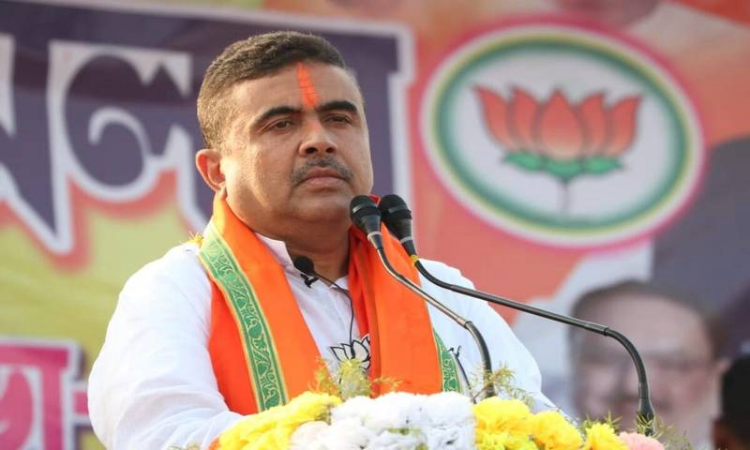
BJP leader Kota Srinivas Poojary has called upon party workers to actively highlight the alleged failures of the Congress government in Karnataka. He accused the state administration of stalled governance due to internal power-sharing issues and the misuse of funds allocated for SC/ST welfare. This comes as the Congress reportedly considers forming coordination committees to decentralize control and enhance administrative efficiency.
In-Depth Analysis
In a pointed directive aimed at galvanizing the opposition, senior Bharatiya Janata Party (BJP) leader Kota Srinivas Poojary has urged party cadres across Karnataka to vigorously expose what he terms the significant failures of the ruling Congress government to the public. Poojary's call to action signals an intensifying political battle in the state, with the BJP seeking to hold the Siddaramaiah-led administration accountable on multiple fronts.
Poojary, a prominent voice within the state's BJP unit, did not mince words in his criticisms. He specifically alleged that the Congress government's internal 'power-sharing' arrangements have led to a discernible 'stalling of governance' within Karnataka. This accusation suggests that the mechanisms of administration and policy implementation are being hampered by internal political dynamics, potentially causing delays in crucial projects and public services. Such allegations often imply that the focus of the ruling party is more on internal adjustments and maintaining equilibrium among its factions rather than on efficient statecraft and delivering on electoral promises.
The BJP leader further escalated his attack by accusing the Congress government of the 'misuse' of funds designated for the welfare of Scheduled Castes (SC) and Scheduled Tribes (ST). This particular allegation carries significant weight, as it touches upon issues of social justice and equitable development, which are sensitive and critical areas of public policy. Misappropriation or inefficient utilization of funds intended for marginalized communities could lead to severe socio-economic consequences for these groups and erode public trust in the government's commitment to their upliftment. If proven, such misuse would represent a profound betrayal of the welfare mandate entrusted to the state government and could potentially spark widespread public outrage and protests from various social organizations and community leaders dedicated to protecting the interests of SC/ST populations.
Poojary's directives are part of a broader strategy by the BJP, currently in opposition in Karnataka, to consolidate its base and prepare for future electoral contests. By actively highlighting perceived governmental shortcomings, the BJP aims to create a narrative that questions the effectiveness and integrity of the current administration. This strategy involves mobilizing ground-level workers to engage directly with citizens, disseminating information about the alleged failures, and fostering public discontent, thereby positioning the BJP as a credible alternative capable of providing more stable and effective governance. This approach is typical of opposition parties seeking to regain political momentum and capitalize on any perceived vulnerabilities of the incumbent government.
In a related development, the Congress party itself is reportedly contemplating significant internal restructuring. Sources indicate that the party is 'mulling setting coordination committees' in a bid to 'decentralise control' within the government and party apparatus. This move is seen as an attempt to streamline decision-making processes, enhance coordination between various departments, and potentially address internal fissures or inefficiencies that might be contributing to the very 'stalled governance' issues highlighted by the opposition. The template for these proposed committees is said to be similar to that of the United Progressive Alliance (UPA) Coordination Committee, which previously served as a mechanism for managing coalition dynamics and policy implementation during its tenure at the national level. The establishment of such committees could be an acknowledgment by the Congress leadership of the need for improved internal cohesion and more effective delivery of its governance agenda. It signifies an attempt to proactively address administrative challenges and ensure that governmental policies translate into tangible benefits for the populace, thereby potentially mitigating criticisms from the opposition and reassuring the electorate of its commitment to good governance. The success of such a decentralized approach would hinge on its ability to foster greater accountability and responsiveness across all levels of the administration.
Ultimately, the political discourse in Karnataka remains vibrant and highly contested. The accusations from the BJP and the internal strategizing within the Congress underscore the dynamic nature of state politics, where both parties are vying for public confidence and striving to shape the narrative surrounding governance and development. The effectiveness of Poojary's call to action and the impact of Congress's proposed internal reforms will be closely watched as the state prepares for future political challenges.
How do you feel about this story?